Kathmandu Valley Faces Water Shortage as Melamchi Project Headworks Construction Delays


Kathmandu. The residents of Kathmandu Valley will have to rely on alternative sources this monsoon as well due to the delay in the construction of the permanent headworks of the Melamchi Water Supply Project.
Although the government has made a conceptual decision to build new headworks, the work has not yet started. Therefore, preparations are being made to close the Melamchi tunnel during the monsoon, diverting water from the Rebarma and Bagmati sources to protect the tunnel.
A cabinet meeting held in Jestha 2081 BS had given conceptual approval to the Ministry of Water Supply to construct new structures at a suitable location as an alternative to the existing headworks at Ambathan in the Melamchi Water Supply Project.
The devastating flood on Asar 1, 2078 BS had buried the already constructed headworks of Melamchi. Since then, the project has been closing the main gate during the monsoon to protect the tunnel from floods and silt, and diverting water directly from the river during winter to Kathmandu.
Estimated Four Billion Rupees for Headworks Relocation
The Asian Development Bank (ADB) had appointed a Canadian consultant for the technical study of the flood-damaged headworks.
The study report concluded that the current intake site is unsafe and recommended relocating the intake 700 to 800 meters upstream. The estimated cost for constructing the permanent headworks at the new location was around four billion rupees, but the government has not yet started the work on the new headworks.
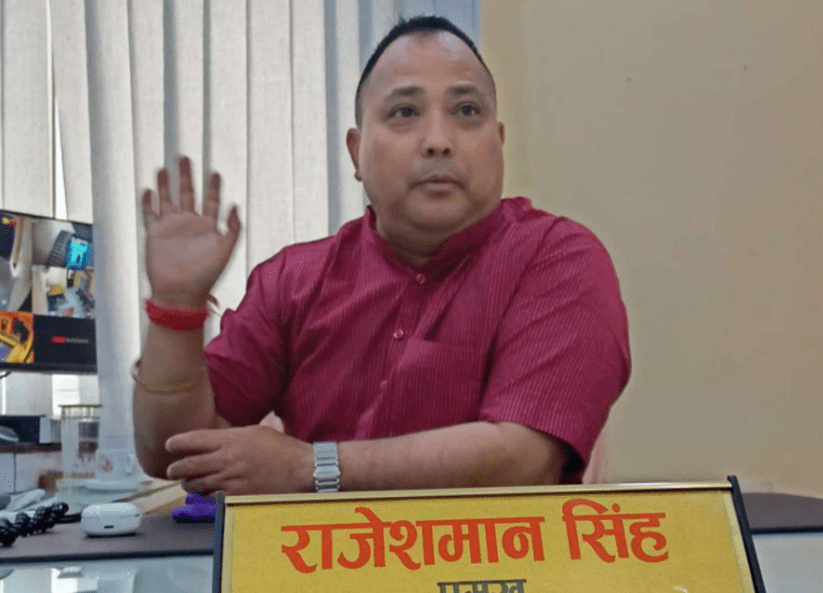
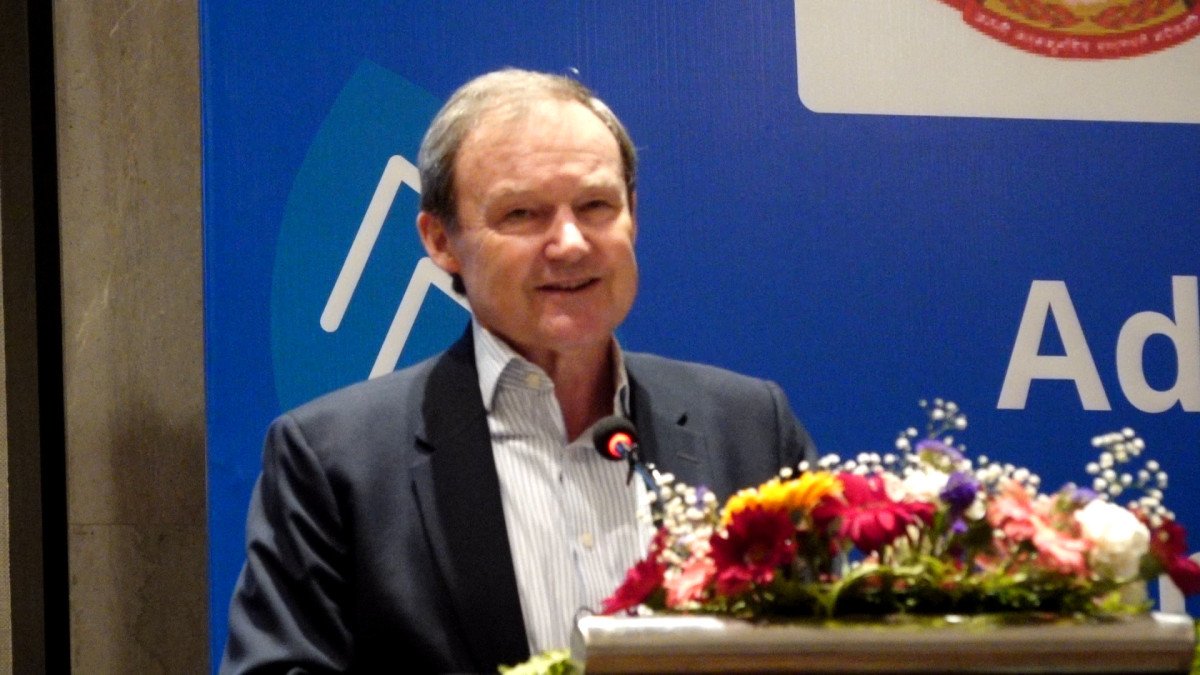
According to Rajendra Pant, spokesperson for the Melamchi Water Supply Project, the detailed study and survey work for the permanent structure have been completed. "It took time to drill and conduct technical studies to find a suitable location," Pant said. "Once the design and cost estimation are finalized, we will proceed to the tender process."
Monsoon Alternatives: Rebarma and Bagmati
Preparations are underway to collect 50 to 70 million liters of water daily from the Rebarma River in Sindhupalchok, near Melamchi, and send it to Sundarijal. Although the Rebarma structure suffered minor damage due to local disputes some time ago, the project has stated that it has been repaired and is ready for operation.
Currently, more than 170 million liters of water are being supplied daily to Kathmandu from Melamchi. However, with the onset of the monsoon, the river water becomes muddy and there is a possibility of floods, necessitating the closure of the main intake. In such a situation, the project has planned to utilize water from the Rebarma and Bagmati sources to prevent a water crisis in the valley.
According to the project, preparations are underway to collect 50 to 70 million liters of water daily from the Rebarma River in Sindhupalchok, near Melamchi, and send it to Sundarijal. Although the Rebarma structure suffered minor damage due to local disputes some time ago, the project has stated that it has been repaired and is ready for operation.
Additionally, 70 to 80 million liters of water daily will be supplied after treating the water from the Bagmati River at Sundarijal. "The local sources within the valley, which dry up in winter, will have water during the monsoon, which will provide relief when Melamchi is stopped. This is only a temporary alternative. It is to ensure there is no water crisis even without the headworks," Pant said.
Demand of 430 Million Liters
According to the Kathmandu Valley Water Supply Limited (KUKL), the daily demand for drinking water in the valley is 430 million liters. Currently, an average of 170 million liters of Melamchi water is being supplied. With the addition of about 30-40 million liters from Bagdwar and other sources at Sundarijal, KUKL supplies about 200-220 million liters of water daily to the valley. "This meets half of the demand," said an official from KUKL to Ratopati. According to him, the demand in the valley is 430-440 million liters daily.
Melamchi Closed as Soon as Muddy Water Arrives
The time for closing the Melamchi tunnel will be determined based on the forecast from the Department of Hydrology and Meteorology and the water level in the river. According to spokesperson Pant, a decision to close the tunnel will be made between Asar 1 and Asar 15, depending on the weather conditions.
Until the permanent headworks are built, the fate of Melamchi water for Kathmandu residents, which comes in winter and disappears in the monsoon, seems set to continue for a few more years.
"In previous years, we closed the tunnel around Jestha 10," he added. "This year too, if the water becomes very muddy, we will have to close the Melamchi intake for some time to protect the equipment and the tunnel."
However, the project is confident that there will not be a major crisis in water supply this year, similar to last year, as alternative sources and local sources within the valley will also increase during the monsoon.
Until the permanent headworks are built, the fate of Melamchi water for Kathmandu residents, which comes in winter and disappears in the monsoon, seems set to continue for a few more years.
This specific news has been automatically translated by AI. As a result, there may be some inaccuracies or language errors.