Nepal's Economy in Crisis: Finance Minister Unveils Stark White Paper


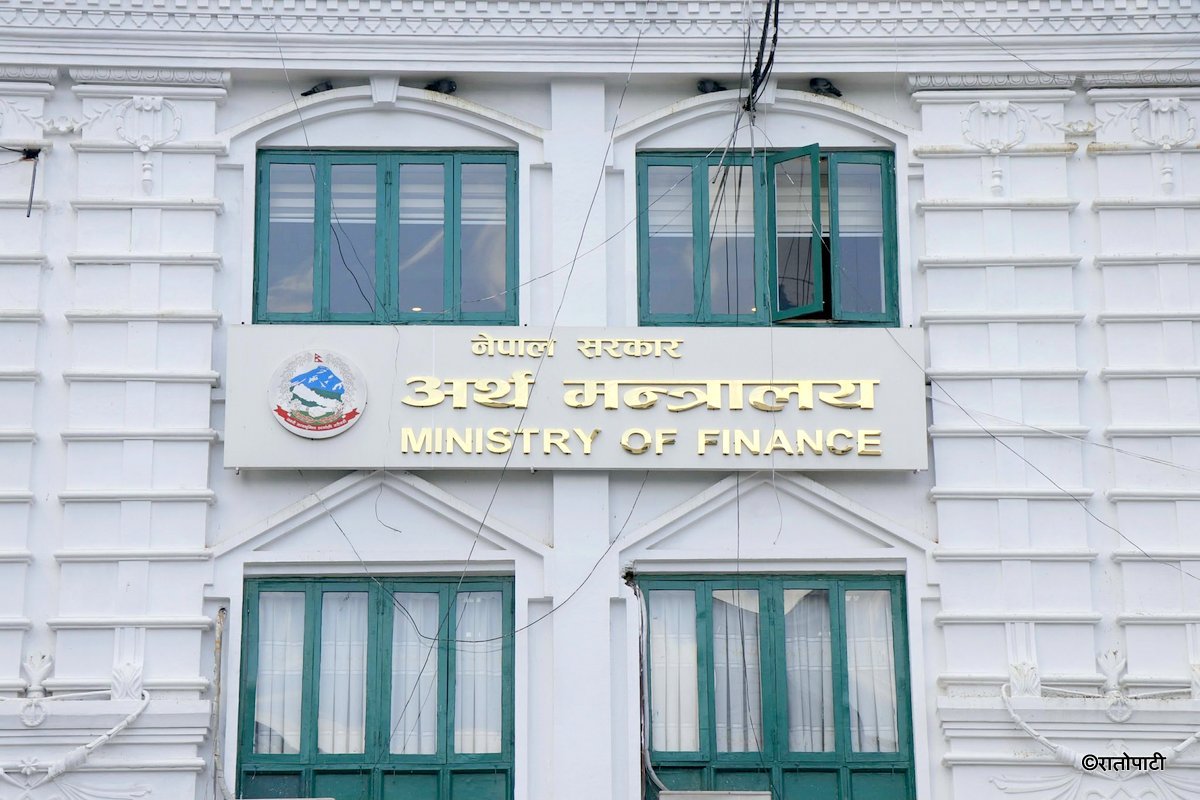
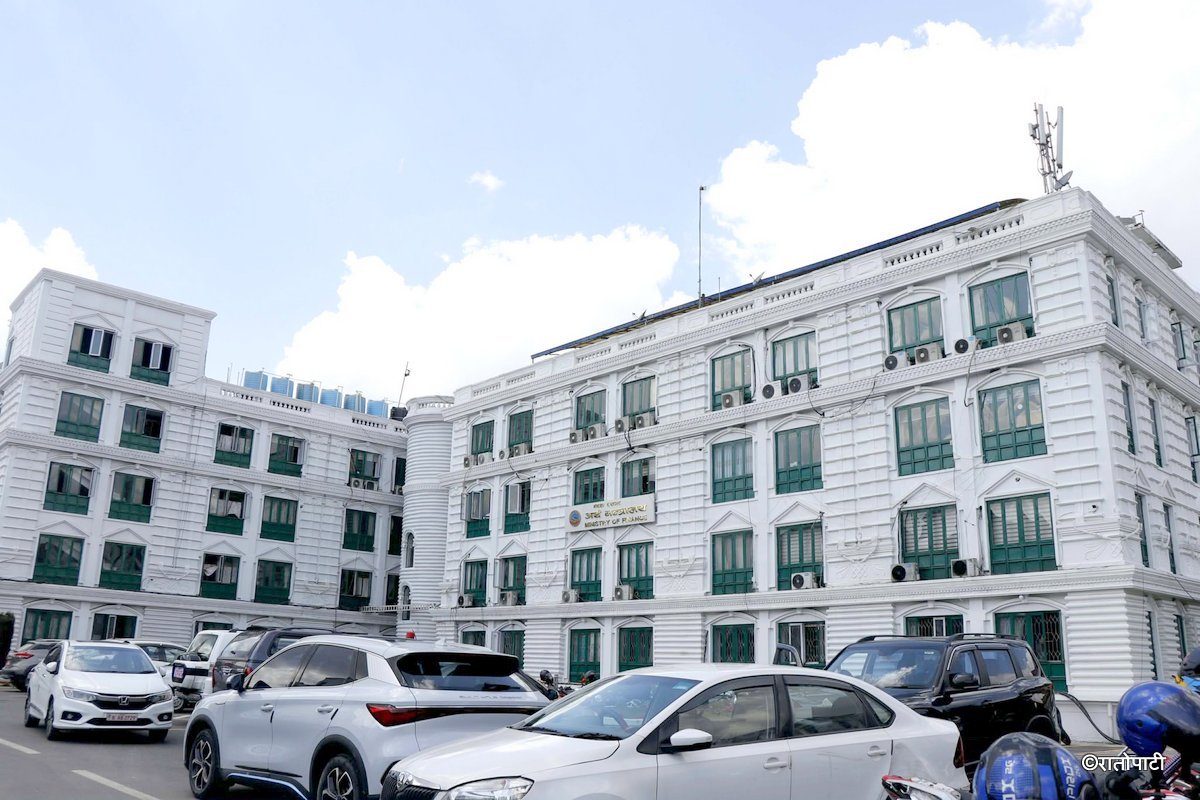
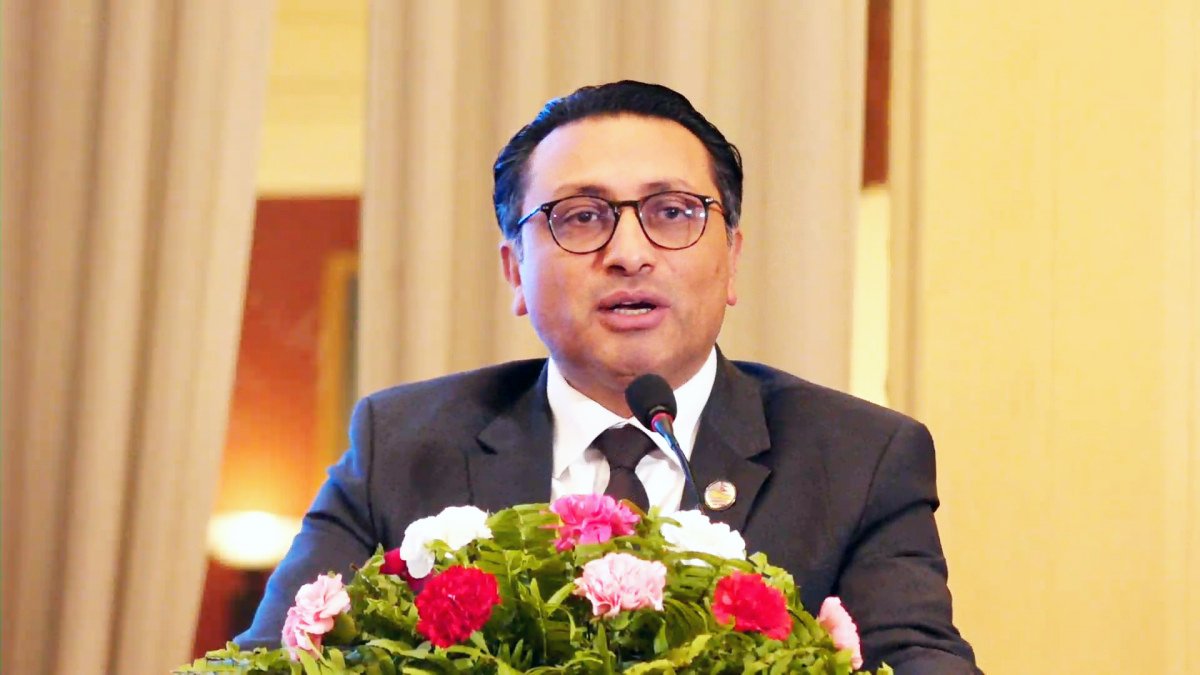
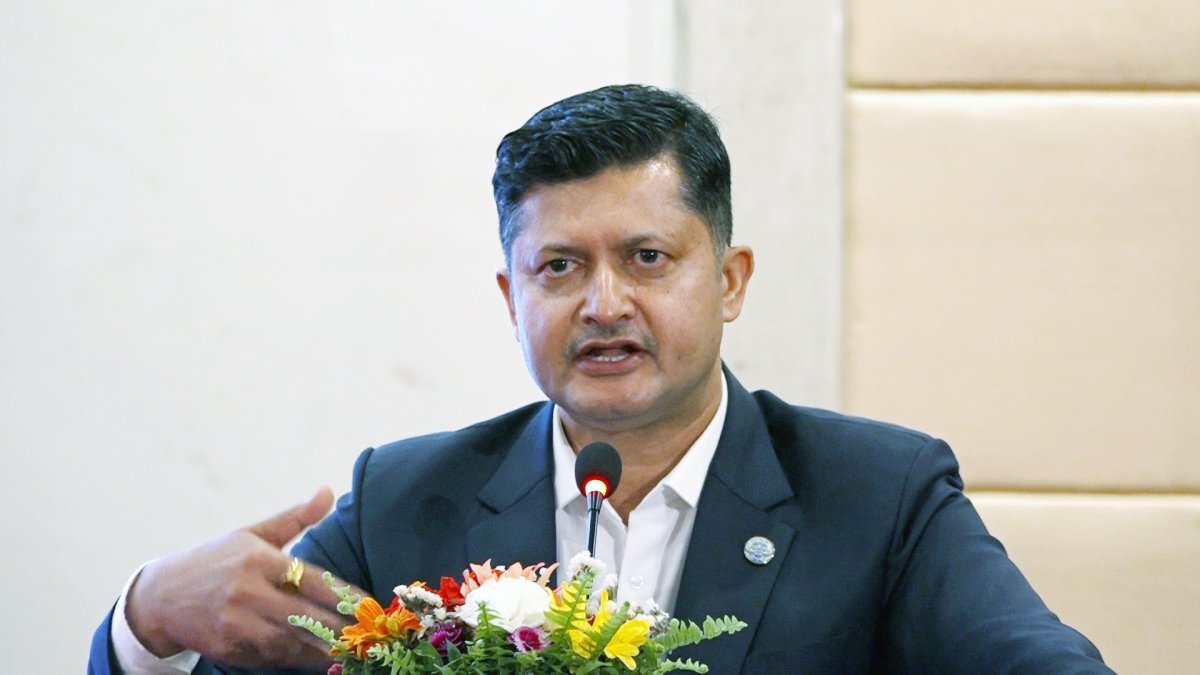
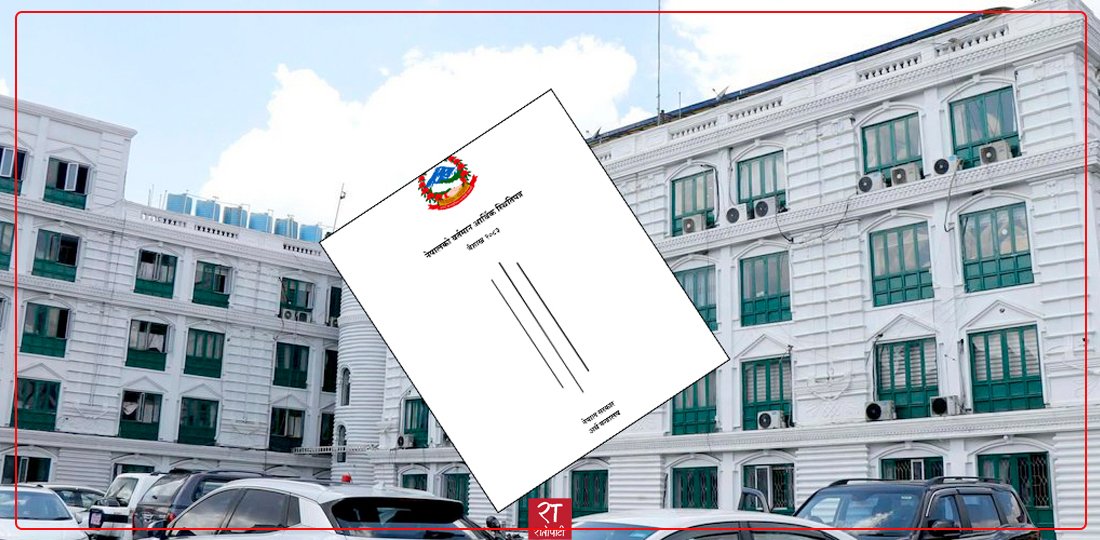
Kathmandu. Finance Minister Dr. Swarnim Wagle has unveiled the 'Current Economic Situation of Nepal, 2083' (White Paper), concluding that most indicators of Nepal's economy are problematic.
Dr. Wagle had announced on March 26, upon assuming office at the Ministry of Finance, that he would present a white paper detailing the country's actual economic condition within seven days. However, he released the white paper on Monday, a month later, after detailed study.
The report published by the Ministry of Finance makes serious allegations that the country's economy is crippled due to policy corruption, crony capitalism, and weak governance. The white paper highlights facts such as the shrinking productive sector, increased public debt burden, rising non-performing loans in the banking sector, and disappointing foreign investment.
The government's analysis suggests that the main reasons for the failure of some past economic policies to yield expected results have been weak implementation capacity, lack of financial resources, and the inability to prioritize and efficiently allocate limited financial resources.
The Ministry expects the situation report to help in formulating realistic policies, efficiently mobilizing financial resources, setting priorities, and making the implementation aspect result-oriented in the coming days. Similarly, it is expected to serve as a guiding document for achieving high economic growth with stability, job creation, and economic inclusivity in the future.
Key Problems and Crises in the Economy
1. Crony Capitalism and Policy Corruption
The situation report states that policy corruption and crony capitalism have flourished in the past by exploiting state resources and power. The Ministry of Finance's white paper mentions that the economy has been trapped in an unproductive cycle due to revenue collection rackets through licenses, contracts, and regulations, instead of entrepreneurship and innovation.
Transparency International's 2025 report, where Nepal scored only 34 out of 100 points, indicates the dire state of good governance among corrupt countries.
2. The Shock of the Grey-list and Declining Credibility
The white paper notes that Nepal being placed on the grey-list of international bodies monitoring money laundering since February 22, 2081, is considered a major economic risk. This will have serious implications for international banking transactions, foreign trade, and investment, the white paper states.
3. Alarming Increase in Public Debt
Public debt has increased abnormally as the government's revenue is barely sufficient to cover even current expenditures. Public debt, which was only 22.5 percent of the Gross Domestic Product in 2072 BS, has reached 43.8 percent (28 kharba 78 arba rupees) by February 2082 BS. Currently, a large portion of the budget is being spent on repaying loan principal and interest, rather than on development (capital expenditure).
4. Low Economic Growth
It is mentioned that Nepal's average economic growth rate over the past decade has been only 4.2 percent. It also projects a growth of only 3.5 percent in the current fiscal year (2082/83). Concerns have been raised that while the contribution of the agricultural sector is declining, the industrial sector should have developed, but Nepal has directly moved towards the service sector. The contribution of the manufacturing industry to GDP has been an average of only 5.4 percent in the last decade.
5. Shrinking Revenue and Slow Capital Expenditure
Revenue collection in the current fiscal year is very low compared to the target (only 82.6 percent by February). The situation report states that the size of Nepal's informal economy is 40 percent, and more than half of businesses are not within the tax net. On the other hand, the share of capital (development) expenditure in the total budget over the past decade has been an average of only 19 percent.
6. Excess Liquidity in the Banking Sector, but Rising Non-Performing Loans
It is mentioned that although deposits have increased in banks and financial institutions, leading to abundant investable funds (liquidity), there is no demand for loans. Due to the decline in business confidence, over 5 kharba rupees in liquidity have accumulated in banks as of February 2082 BS. On the other hand, banks' non-performing loans have increased to 5.42 percent. This poses a challenge to financial stability. Non-performing loans of microfinance institutions have also increased.
7. Dependence on Remittances, Drought in Investment
The country's trade deficit is stated to be high. The white paper mentions that edible oil (based on imported raw materials) accounts for about 40 percent of total exports, which is not sustainable. The economy is said to be completely dependent on remittances, and problems are also seen in this area. Similarly, foreign direct investment is described as very disappointing. In the last decade, foreign investment has been the lowest in South Asia (only 0.2 percent of GDP).
8. Employment Crisis
The unemployment rate in Nepal is 12.6 percent, while the youth unemployment rate has reached 22.7 percent. However, the problem is exacerbated by the alarming number of people going abroad for foreign employment due to a lack of jobs in the country.
Only 839,000 people have obtained labor permits as of March 25 of the current year. The white paper states that educational unemployment has increased because education is not providing skills according to market demand.
9. Plight of State-Owned Enterprises
Out of 45 public enterprises fully or majority-owned by the government, only 28 are profitable. Despite the government's investment of 7 kharba 94 arba rupees in these enterprises, the return (dividend) is only 2.4 percent.
10. Delays in Development Goals and Infrastructure
The white paper states that an additional investment of 7 kharba 55 arba rupees annually is required to achieve the Sustainable Development Goals by 2030. This is stated to be beyond the government's capacity. The quality of road infrastructure is poor, and 80 percent of drinking water is still unsafe. Similarly, the digital divide (inequality in access to internet and technology) is also mentioned as another major challenge.
11. Future Direction with Solutions
Despite presenting a disappointing situation across all indicators, Finance Minister Dr. Wagle has also shown hope for improvement through the white paper. The goal is to make Nepal a respectable middle-income country by achieving an average economic growth of 7 percent in the coming years. It is mentioned that by achieving an average economic growth of 7 percent from the next fiscal year, per capita income will exceed 3,000 US dollars within 5 to 7 years.
The white paper includes the Rastriya Swatantra Party's electoral promise to bring the size of the economy close to 100 billion US dollars. The white paper states that this forms the basis for making Nepal a respectable middle-income country.
The Ministry has also stated in the situation report that the installed capacity of electricity will reach 15,000 megawatts within the next 5 years, and important national pride projects will be completed within 2 years. It is mentioned that economic growth will accelerate through infrastructure development, including the development of new projects of strategic importance, which will attract private investment. The situation report notes that while it provides a realistic and objective analysis of Nepal's overall economic and social condition, most indicators show problems.
'The deep ideological confusion regarding the roles of the state and the market must now be resolved,' the white paper's introduction states. 'Ensuring the security of private property and policy stability, with a focus on advanced employment-centered sustainable economic transformation, is the priority now.'
Related News


This specific news has been automatically translated by AI. As a result, there may be some inaccuracies or language errors.