Nepal's Economy Faces Challenges: White Paper Highlights Stagnation and Debt


Kathmandu. A white paper on the country's economic situation has been released as a new government is being formed. In line with the 100-point action plan for governance reform introduced by the government, the new administration led by Balen Shah has presented a realistic picture of the country's economy as it assumes office.
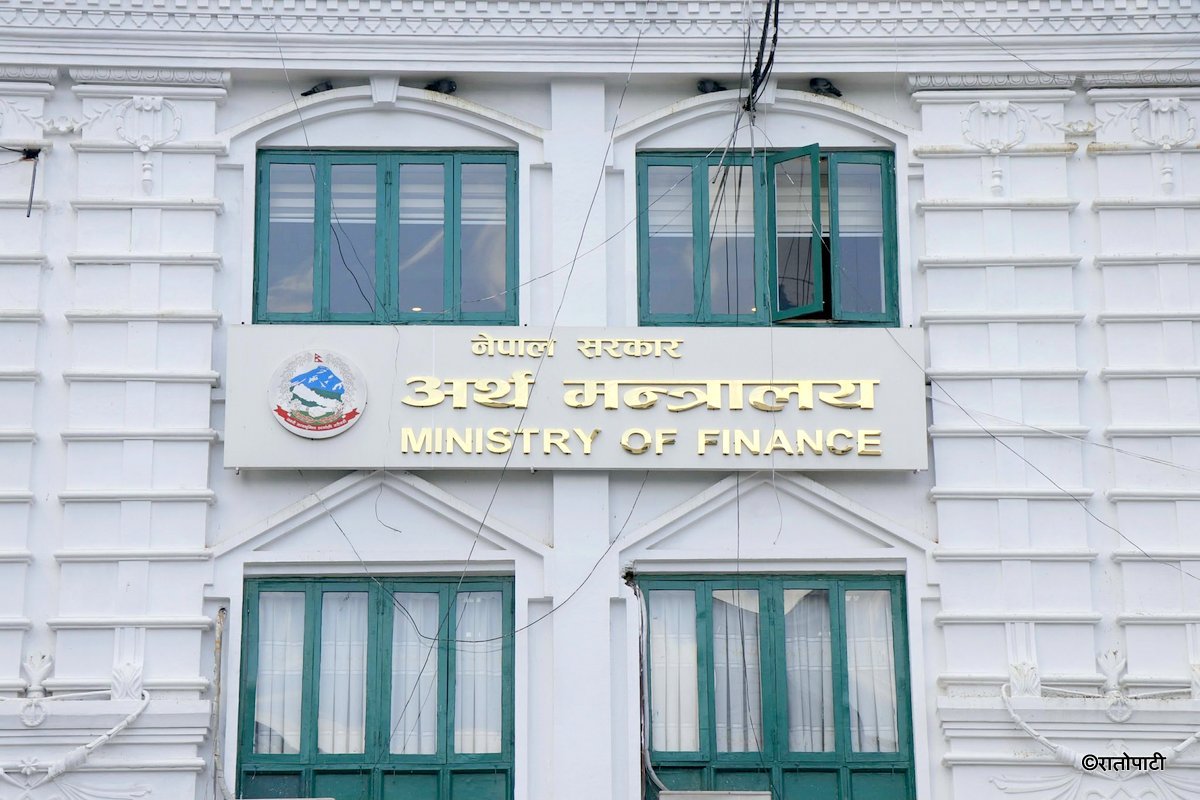
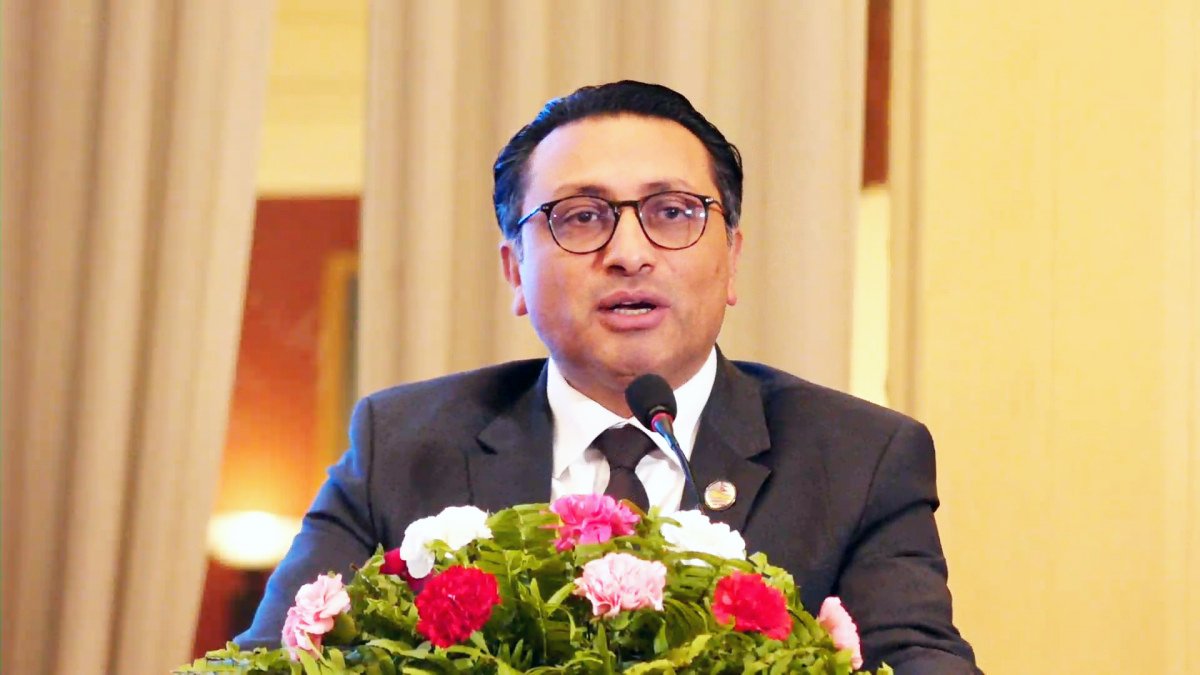
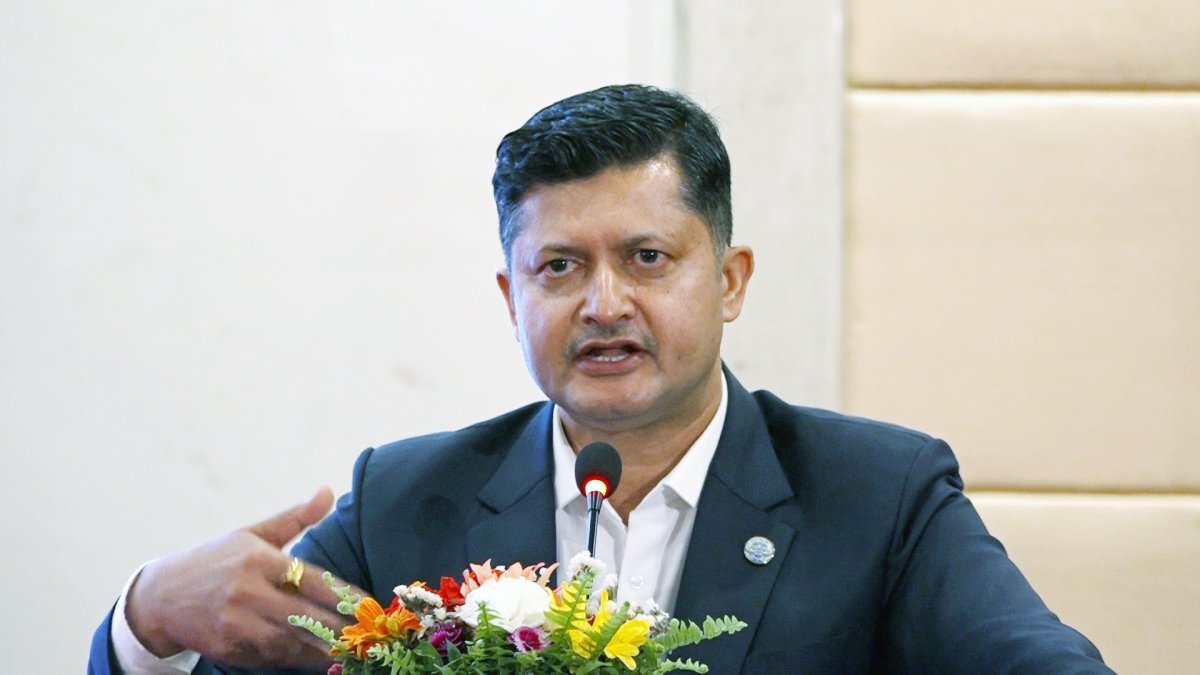
Finance Minister Dr. Swarnim Wagle released the 'Current Economic Situation' (White Paper), outlining the country's existing economic condition, challenges, and future path. The white paper concludes that the economy has fallen into a cycle of unproductivity due to past policy corruption, crony capitalism, and governance instability.
The ministry projects that the average economic growth rate over the past decade has been only 4.2 percent, and the growth rate in the current fiscal year 2082/83 is expected to be limited to just 3.5 percent. Economic indicators show that the government's financial situation is under significant pressure.
Revenue collection is barely sufficient to cover current expenditures, while the capacity for capital expenditure is weak. Public debt has surged to 28 kharba 78 arba (43.8 percent of GDP), necessitating a large portion of the budget for principal and interest payments.
Furthermore, the white paper notes that Nepal's financial credibility has been diminished internationally due to its inclusion in the Financial Action Task Force (FATF) 'Grey List,' making it more difficult to attract foreign investment. Finance Minister Wagle pointed out that the country has entered the service sector before industrializing, falling victim to 'pre-mature de-industrialization.'
The contribution of the industrial sector has shrunk to 12.8 percent, and the economy has become entirely dependent on remittances. The government has emphasized the need to end 'rent-seeking tendencies' to overcome the current dismal situation.
The white paper pledges policy and structural reforms, identifying hydropower, information technology, tourism, and entrepreneurship as key drivers for the sustainable transformation of the economy.
Full Text:
This specific news has been automatically translated by AI. As a result, there may be some inaccuracies or language errors.