Nepali film 'Lalibazar' faces controversy over portrayal of marginalized community

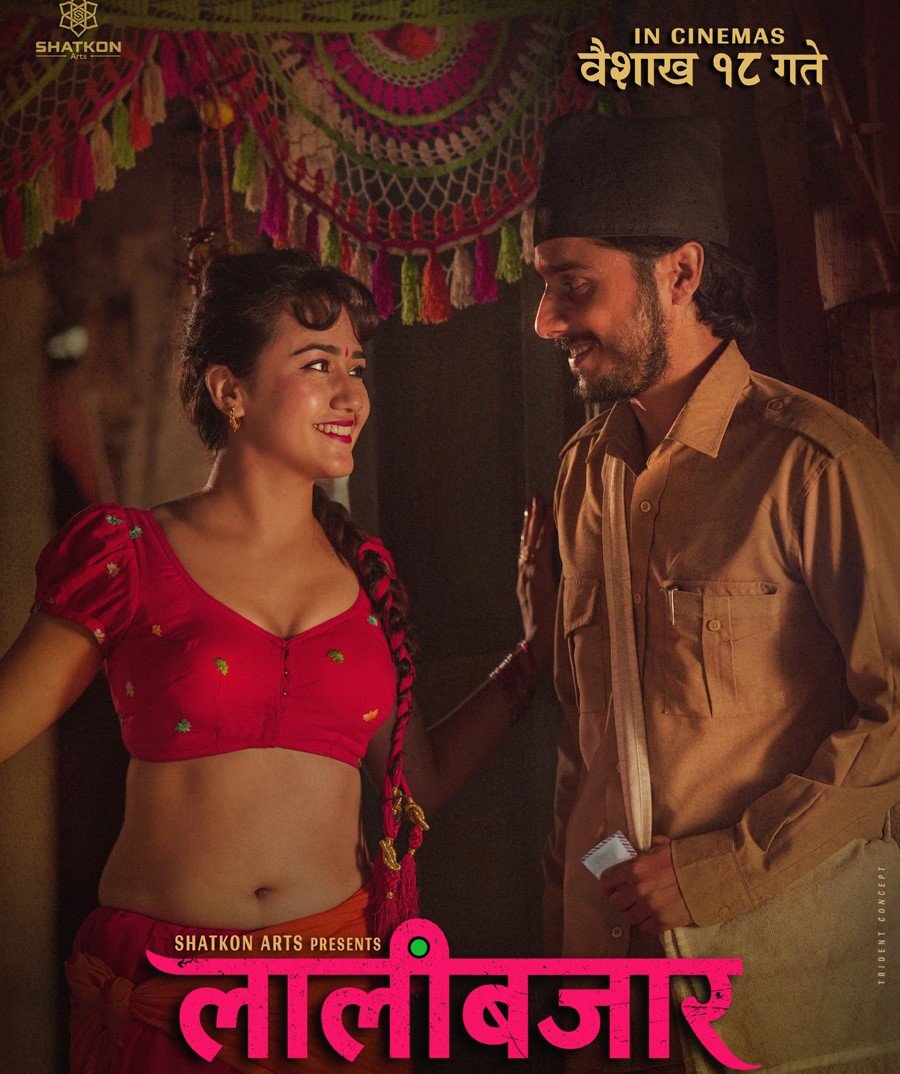
Kathmandu. Nepali film 'Lalibazar' has recently been embroiled in controversy. The film's lead actress Swastima Khadka has claimed that this film is the 'best' of her career and will keep her alive for many years to come.
The film that actress Khadka is proud of has now fallen into a whirlpool of controversy. Following the release of the trailer, the film has faced criticism from the Badi community. Dr. Roshni Nepali Badi has objected to the subject matter included in the film. She demanded that the film's screening be stopped by holding a press conference on Sunday. This controversy came to the surface after she stated that a letter had been sent to the Film Development Board through the Dalit Commission.
She alleges that the film portrays the Badi community negatively. However, the production team claims that the film attempts to bring the history and suffering of the Badi caste to the screen.
Dr. Roshni Nepali Badi states that she has serious objections to both the name and the subject matter of the film. She alleges that the film attacks their social prestige by depicting the Badi caste immorally.
'We have many objections to the film Lalibazar. The main objection is to its name,' said Dr. Roshni, 'The film has tarnished our character by immorally portraying the Badi caste. The irony is that some individuals claiming to be leaders of the Badi caste have assisted in making this film by accepting financial incentives.'
According to Dr. Roshni, this film has caused mental stress and depression to Badi youth living in Nepal and abroad. She said, 'Young people are calling me and asking why our caste is shown this way. Some of our guardians, for their own selfish reasons, did not consider the impact on our future and mentality.'
She appears to be alone in opposing the film from the Badi community. However, she claims that even though she appears alone now, she has the voice of thousands of youth behind her. She has demanded that the film be completely banned, stating that cutting some scenes or changing the name would not be acceptable to them.
'An attack on anyone's identity and self-respect is far more important than anyone's investment of millions,' she said.
Meanwhile, the film's producer Rabindra Singh Baniya claims that Dr. Roshni's allegations are untrue. He describes 'Lalibazar' as a means to bring the issues of the Badi community into national-level debate.
'From the time we chose the film's story, we have been working in constant contact with the leaders of the Badi community and mothers who have experienced this problem. We have gone to the field, listened to their stories, and obtained their consent,' said producer Baniya, who is also an actor. 'The protest by Dr. Roshni is her personal opinion; most members of the Badi community disagree with her views. Even now, more than half a dozen individuals from the Badi community are in regular contact with us.'
According to producer Baniya, many members of the Badi community have already watched the film. They were moved to tears after watching the film and even thanked them for bringing their story to light. Producer Baniya argues that the community's restoration and compensation cannot move forward without remembering history.
'We have made the film in a way that is not legally or socially insulting in any way, respecting court decisions,' said producer Baniya. 'Such an environment discourages new work, but I hope this film breaks the ice.'
Two Factions Within the Badi Community
A division has emerged within the Badi community regarding the controversy surrounding 'Lalibazar'. Some are of the opinion that the film's screening should be stopped altogether, while others suggest it should be screened after removing objectionable content.
While Dr. Roshni Nepali advocates for stopping the film's screening, Hikmat Badi, who works through the Badi Welfare Forum Nepal, suggests that the perspectives of educated Badi people living in the hills and those struggling in the Terai settlements might differ.
_u6qahhHKQM.png)
'Some educated Badi people like us living in the hills may not like the subject matter of this film,' said Hikmat. 'But when we go to the Badi settlements in the Terai, the struggles and suffering of the mothers there are still very much alive. The film attempts to portray the historical pain and exploitation from around 2045 BS. Therefore, I am not in favor of stopping the film entirely.'
Hikmat states that he has made some important improvements after watching the film. 'Personal names like Uma and Rama used at the beginning of the film have been removed. Words where rulers addressed women as commodities have been revised,' he said. 'Most importantly, the depiction of prostitution within the Badi community has been changed from a custom or tradition to exploitation imposed by the state and rulers of that time.'
He believes that they should be willing to sacrifice a small amount of personal honor for the justice of those suffering mothers in the Terai. He expressed confidence that this film will serve as a sacrifice for the rights and entitlements of the Badi community.
Hena Devisara Badi, another representative of the Badi community, said that she was very angry when she first saw the trailer. However, her opinion changed after watching the film.
'The film specifically shows the forced struggles before the 2063/064 BS People's Movement,' she said. 'I did not find any disrespectful words used in the film. The production team appears to have taken great care with such words.'
_gWRoijE7M4.jpg)
Although some question why the wounds are being shown, she believes that doctors cannot treat a hidden wound until it is revealed.
Hena Devisara expressed happiness that the film will inform the state about the community's existence and struggles, and she finds the depiction of Badi children becoming nurses and principals at the end of the film to be a positive aspect.
When is the Film Releasing?
'Lalibazar' is set to be publicly screened starting this coming Friday, the 18th. The film, produced under the banner of Shatkon Arts, was shot in Rajapur, Bardiya. The film features Swastima Khadka, Rabindra Singh Baniya, Samaira Thapa, Mukunda Kumar Shrestha, Abhay Baral, Asha Poudel, Govinda Sunar, Aabha Aryal, Tara Sharma, Ramesh Wadi, Sarita Adhikari, and others. Bishal Devkota and Prasansha Subedi are debuting through this film.
The story and direction of the film are by Yam Thapa, and the screenplay and dialogues were jointly prepared by director Thapa and executive producer Pradip Bhattarai. The producers of the film are Max Dipesh Khatri and Rabindra Singh Baniya. The film highlights the story of the Badi community.
This specific news has been automatically translated by AI. As a result, there may be some inaccuracies or language errors.

_I0a7yjtDaq.jpg)