Nepal's sole railway service crippled by leadership vacuum, financial woes

Janakpurdham. Nepal's only railway service is currently in a state of leadership vacuum. Nepal Railway is being operated on the strength of a 'storekeeper' at the moment.
Nepal Railway Company is operating amidst a shortage of technical manpower, dependence on foreign employees, weak management, and mounting debt.
Employees say that the absence of a general manager for the past seven months has affected the decision-making process and the delivery of services.
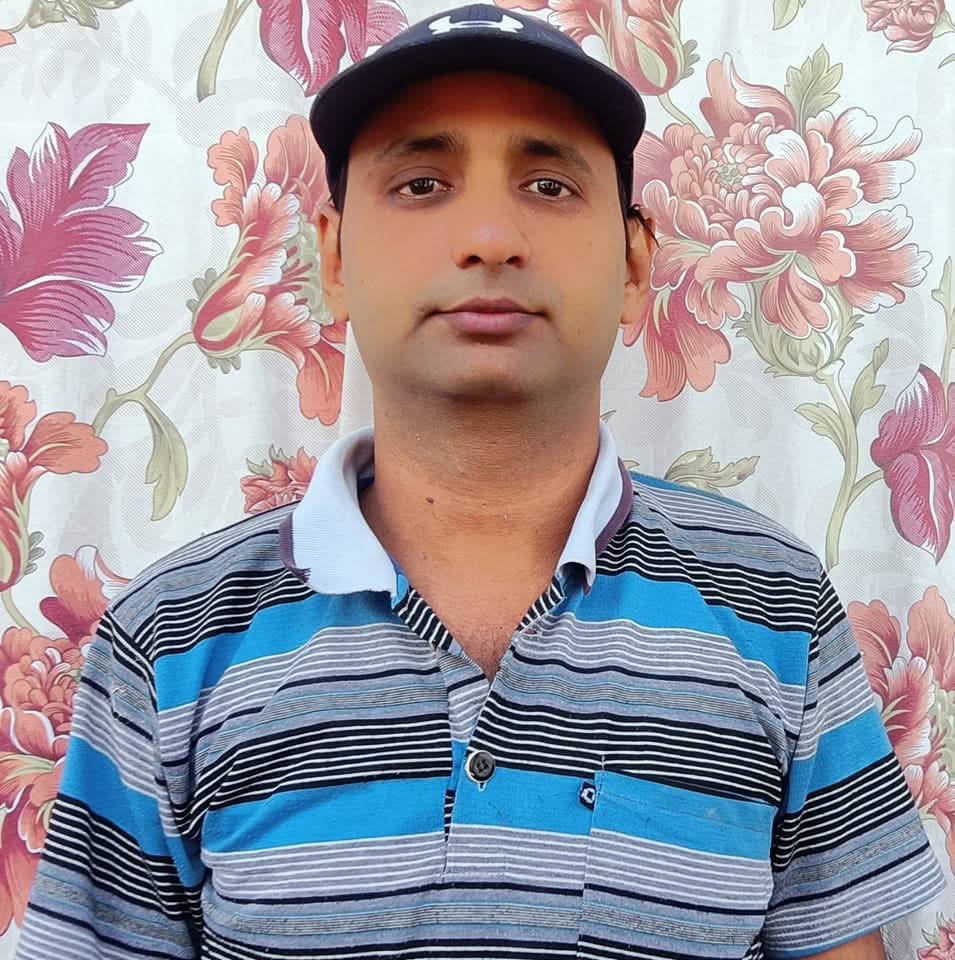
The train service, operating on a 52-kilometer route from Jaynagar in India to Bhangaha in Mahottari, is currently running in three shifts daily. Despite earning approximately two and a half lakh rupees daily, the company is running at a loss due to management and expenditure structures.
According to former General Manager Niranjan Jha, monthly income is around 7.5 million rupees, while expenses can reach up to 12.9 million rupees. He stated that the railway's income is not sufficient to cover its expenses.
Jha clarified that the railway service has had to take loans with government guarantees. By the end of Asar 2081 BS, the total debt, including principal and interest, has exceeded 790 million rupees.
According to the financial statement of Nepal Railway Company, the total income from fiscal year 2076/077 to 2080/081 BS was 192.1 million rupees, while expenses during the same period were 673.7 million rupees. The data shows that in the last fiscal year 2080/081 BS, income was 85 million rupees while expenses were 262.7 million rupees.
The railway has 142 daily wage workers in Nepal, one permanent employee, one employee from the Railway Department, one employee from the Road Department, and an accountant from Kolanika. However, the main technical responsibilities for operation are handled by Indian employees.
There are currently 23 employees from the Indian side, including train drivers, station masters, and pointsmen. Railway sources indicate that the company's expenses are high due to the dependence on foreign manpower for crucial railway operations.
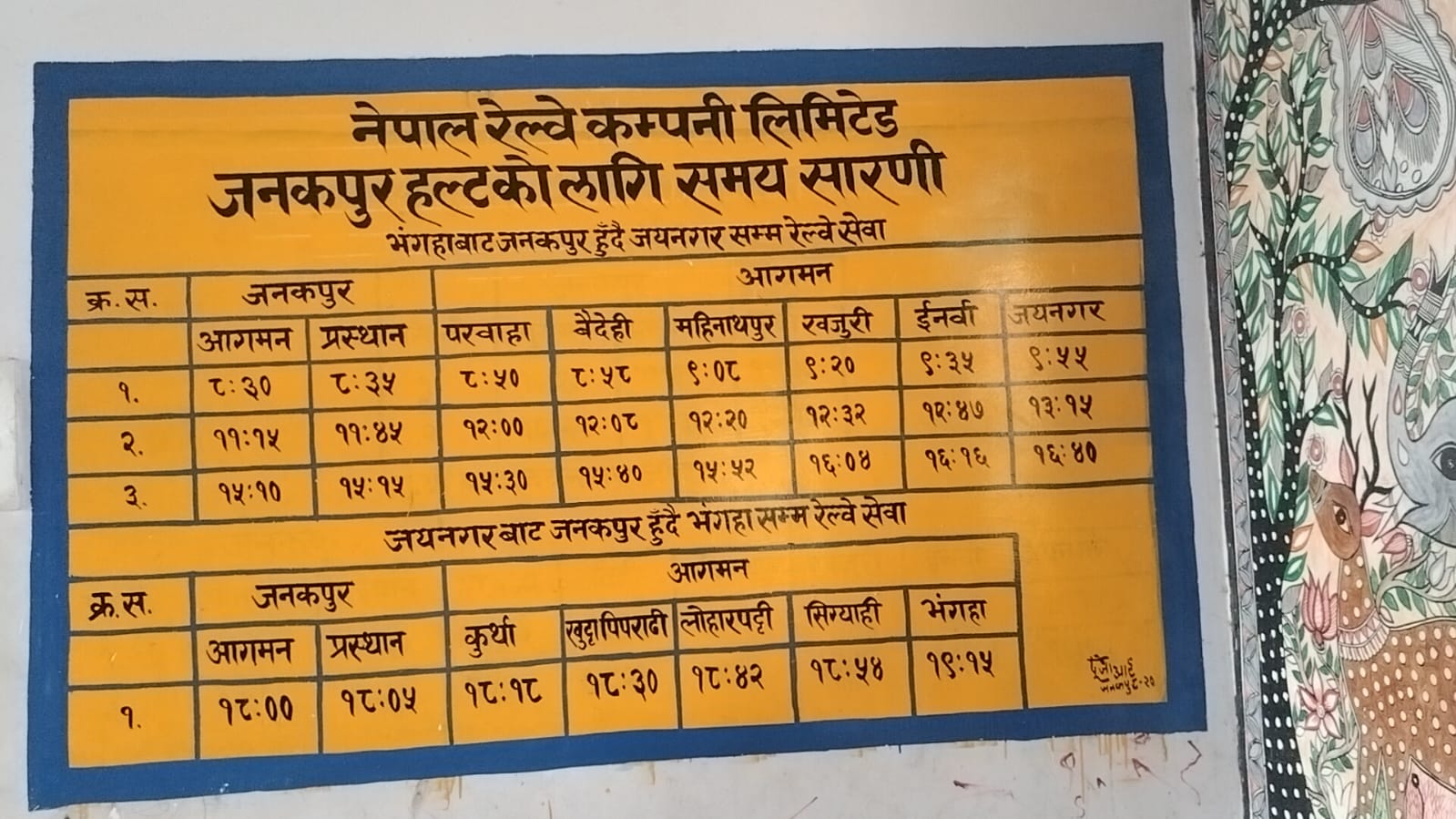
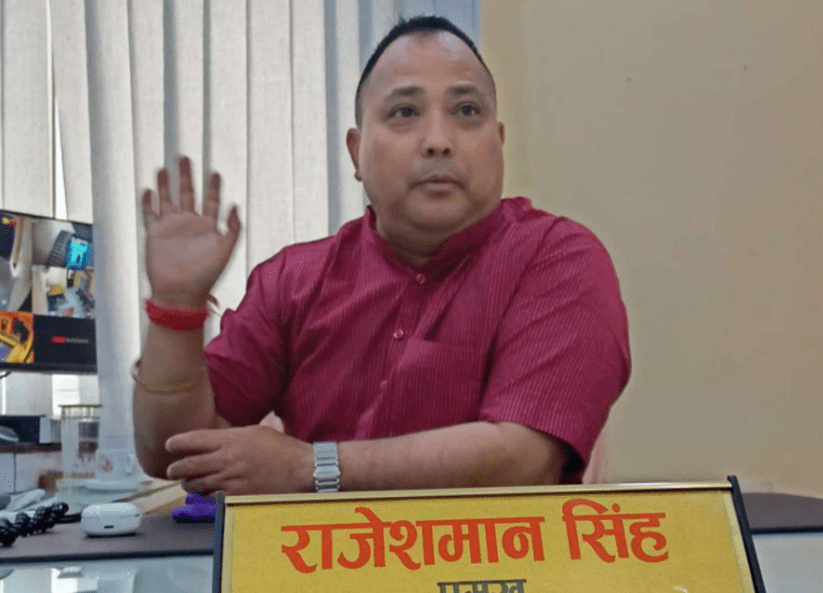
Nepal Railway's 'storekeeper' Kabelbahadur Nepali is currently managing the daily operational aspects. In the absence of a general manager, the responsibility for the office's regular work and coordination has fallen on his shoulders.
'The position of General Manager has been vacant for seven months. Although I don't have the authority to make decisions, the daily operations cannot be stopped. There is pressure to keep the service running somehow,' Nepali said.
According to him, the lack of an information officer at the railway is also causing difficulties in providing information to passengers and stakeholders. He admitted that the complete details of expenses at the office are not being updated systematically.
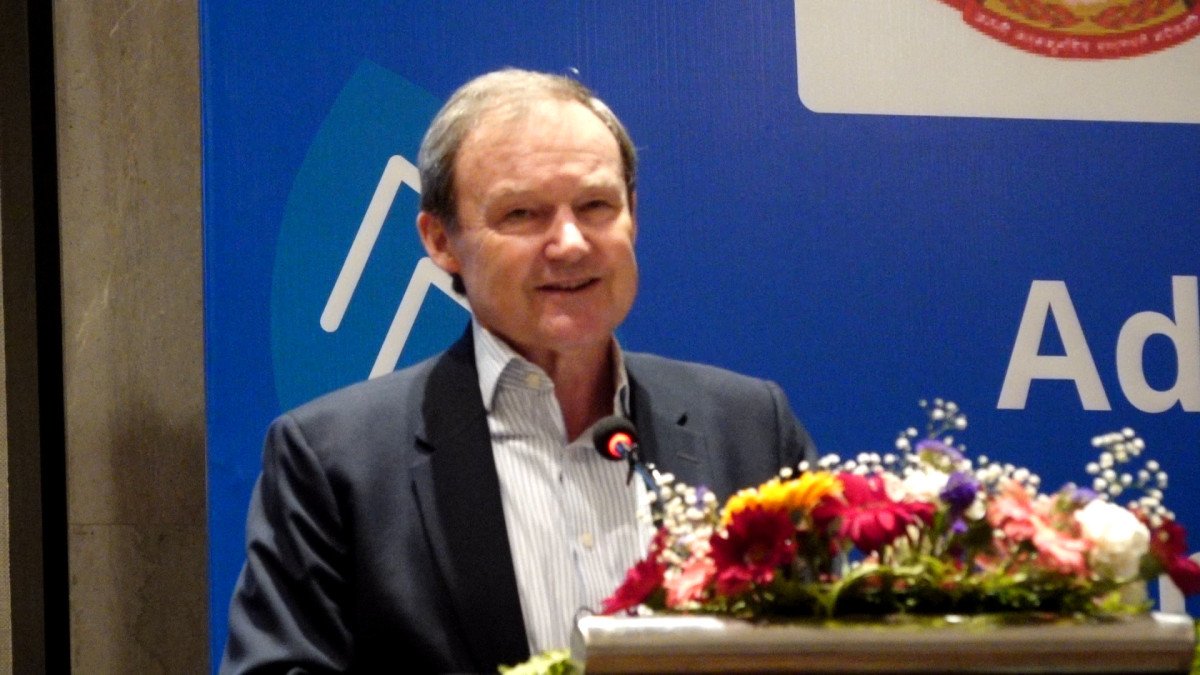
Hari Kumar Pokharel, head of the Nepal Railway Department, informed that preparations are underway to expedite the process of appointing a new general manager soon. He clarified that operating a freight service would not be profitable.
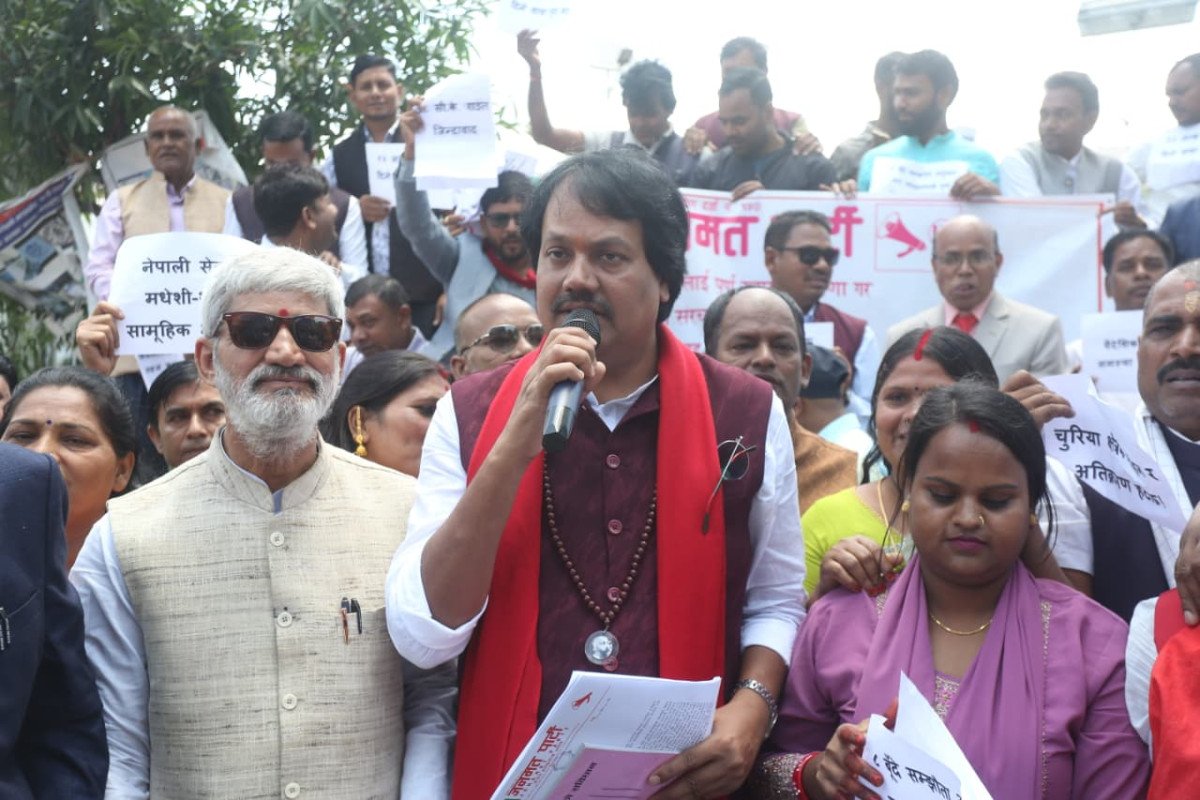
Pokharel stated that to make the railway service financially viable, it is necessary to control internal leakage, implement administrative reforms, and end political interference.
Local businessmen also believe that it is not possible to make a profit by limiting the railway to passenger services. Ram Kumar Jha, a businessman from Janakpurdham Sub-Metropolitan City-4, said, 'The railway can become financially strong only if it is converted into a cargo service.'
According to him, a cargo train service could be useful for bringing goods from India's Kolkata port at a cheaper rate. This could reduce transportation costs for businesses and provide a new source of income for the railway.
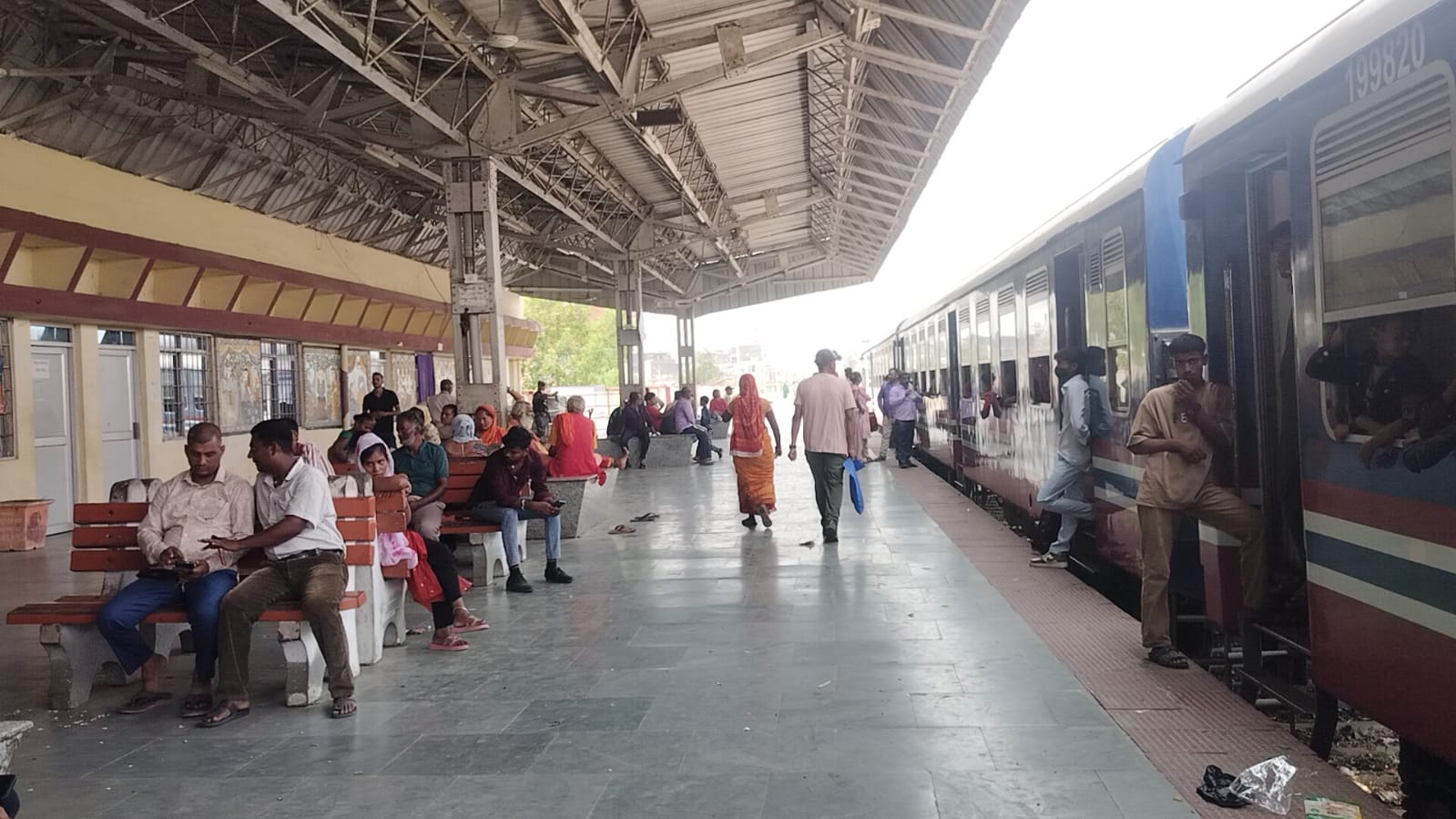
Another major problem for the railway is the lack of physical infrastructure. There is no provision for drinking water at the Janakpurdham Railway Halt. Although a hand pump has been installed, it has not been operational for a long time. The station premises appear disorganized. Betel leaves and gutkha stains are visible in pots meant for flowers.
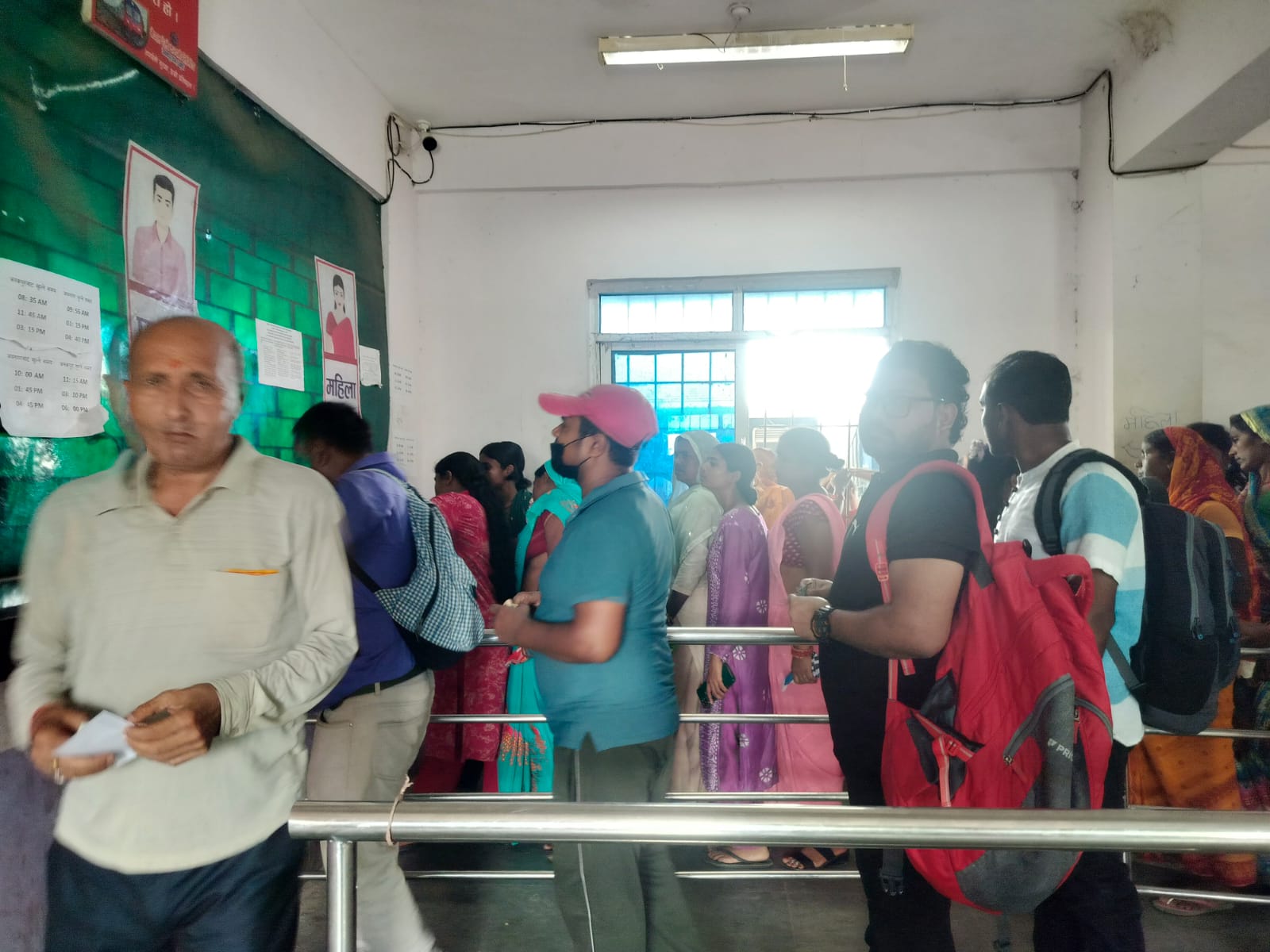
Santosh Sah, a resident of Loharpatti, said, 'The train service is good, it saves time, but looking at the condition of the station, government neglect is evident. There should be arrangements for drinking water, sanitation, and seating.'
According to former General Manager Niranjan Jha, it could be very beneficial financially if its own drivers, station masters, and technical manpower could be developed.
The absence of a fueling station is another problem in railway operations. Fuel has to be brought from India. There are also problems with maintenance due to the lack of a permanent workshop.
According to officials from the Nepal Railway Department, there is a plan to earn 80 million rupees annually by leasing out 28 acres of land in Raxaul in the coming days. A plan has also been put forward to increase income through tourism by establishing a railway museum with old narrow-gauge coal engines.
Officials from the Nepal Chamber of Commerce, Dhanusha, have been repeatedly pressing for the operation of cargo services. According to them, if the import and export of goods via train become easier, it could bring about a significant change in the business activities of the Janakpur region.
Stakeholders believe that Nepal Railway has the potential to become financially self-reliant if cargo services are operated, domestic skilled manpower is developed, and administrative reforms are implemented.
This specific news has been automatically translated by AI. As a result, there may be some inaccuracies or language errors.