Federal Reserve Expected to Hold Interest Rates Amid Economic and Geopolitical Pressures


Kathmandu. The US Federal Reserve is highly likely to maintain current interest rates at its upcoming meeting, a move analysts attribute to the prevailing economic and geopolitical climate. Interest rates are currently in the range of 3.50 percent to 3.75 percent, and they are expected to remain unchanged.
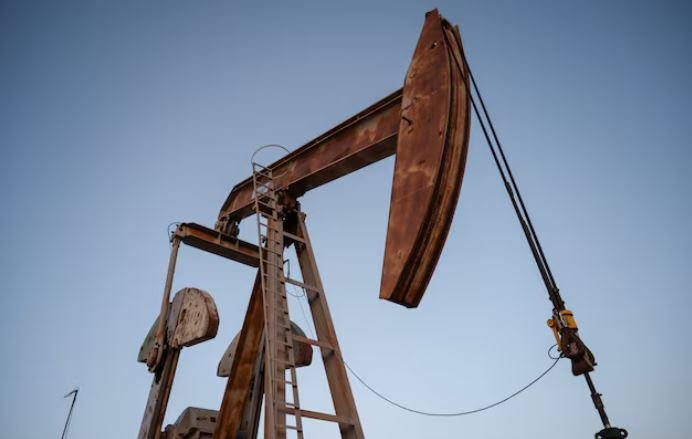
The primary driver is the ongoing conflict in the Middle East, which has disrupted global oil supplies. Rising fuel and energy costs have increased production, transportation, and consumer goods prices in the US, placing further pressure on inflation.
US inflation has reached 3.3 percent, the highest level in nearly two years. The Federal Reserve's core mandate is to maintain price stability and balance the labor market. However, achieving this balance is increasingly difficult, as the need for a tight monetary policy to curb inflation conflicts with the pressure to avoid hindering economic growth and employment.
Experts note that beyond the energy crisis, supply chain disruptions are keeping inflation persistently high. This has increased the likelihood of reduced consumer spending and added cost pressures on businesses, making an immediate rate cut by the Fed unlikely.
Fed officials are adopting a 'wait and see' approach as the full impact of the war remains unclear. Some policymakers have warned of rising long-term inflation risks, further dampening the prospects for future rate cuts.
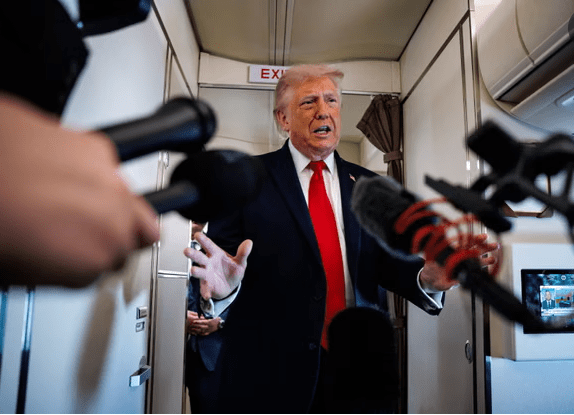
Furthermore, the Fed's decision comes amidst political pressure. US President Donald Trump has been consistently pushing for lower interest rates, sparking debates over the Fed's independence and potential leadership changes. Consequently, the upcoming meeting is significant from both an economic and political perspective.
Due to the energy crisis, high inflation, labor market uncertainty, and political pressure, the Federal Reserve is most likely to keep interest rates steady for now, while the future trajectory remains uncertain.
This specific news has been automatically translated by AI. As a result, there may be some inaccuracies or language errors.