Nepal Initiates Diplomatic Efforts to Address Chemical Fertilizer Shortage Amid West Asia Conflict

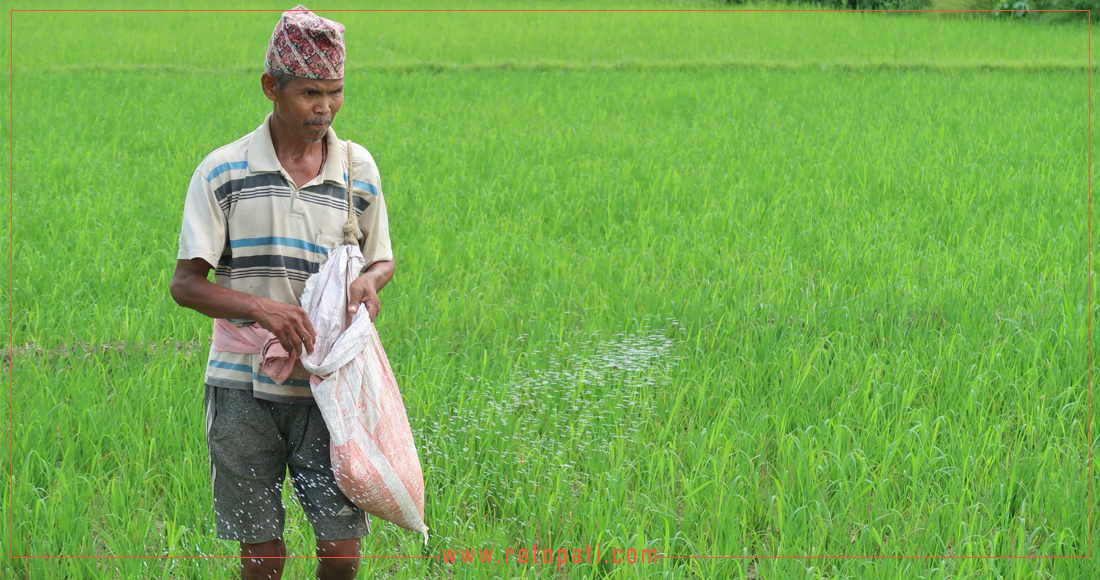
Kathmandu. Nepal is facing a shortage of chemical fertilizer due to the ongoing conflict in West Asia. With only 150,000 metric tons of fertilizer in stock, the government has initiated diplomatic efforts to secure additional supplies.
The government has begun efforts to import chemical fertilizer from countries including India, China, and Bangladesh. On Chaitra 19, the Ministry of Agriculture and Livestock Development sent a letter to India requesting the smooth supply of fertilizer. Joint Secretary of the Ministry, Ramkrishna Shrestha, confirmed that the letter was sent to India.
Indian Ambassador to Nepal, Naveen Srivastava, has also met with Minister of Agriculture Geeta Chaudhary to discuss the matter. Ministry officials state that Ambassador Srivastava has assured them he will take initiatives to provide fertilizer to Nepal.
A letter has also been sent to the Indian Embassy in Nepal through the Ministry of Foreign Affairs. Joint Secretary Shrestha mentioned that the embassy has informed them that the letter is currently under review.
_NvWBMK6hlZ.jpg)
Minister Chaudhary met with Foreign Minister Shishir Khanal to discuss the difficulties in fertilizer supply, urging him to prioritize diplomatic efforts to resolve the issue.
Minister Chaudhary emphasized the need for a G2G (government-to-government) agreement with a country to secure immediate supplies, citing the conflict in the Gulf region as the primary cause of the disruption. The Ministry of Agriculture stated that current stocks will only last until Asar, necessitating urgent management. The ministry has requested 150,000 metric tons of fertilizer from India.
Although a G2G agreement for fertilizer imports was previously reached with India, only a small portion has been delivered. Ministry sources indicated that while Nepal requested the remaining balance, the Indian side suggested following a new process as the previous agreement's term had expired.
Towards the end of 2078, the then Agriculture Secretary Dr. Govinda Prasad Sharma and India's Secretary of the Ministry of Chemicals and Fertilizers, Rajesh Kumar Chaturvedi, signed a G2G memorandum of understanding. The Ministry of Agriculture maintains that the agreement remains valid and that the remaining fertilizer should be supplied.
The agreement stipulated the purchase of 150,000 metric tons in 2022/023, consisting of 100,000 metric tons of urea and 50,000 metric tons of DAP.
The agreement also included the purchase of 210,000 metric tons in 2023/024 and 210,000 metric tons in 2024/2025. However, Nepal has been unable to import the fertilizer as per the agreement.
The ministry states that it has requested the Indian government to provide the fertilizer according to the existing agreement, with an immediate requirement of 150,000 metric tons.
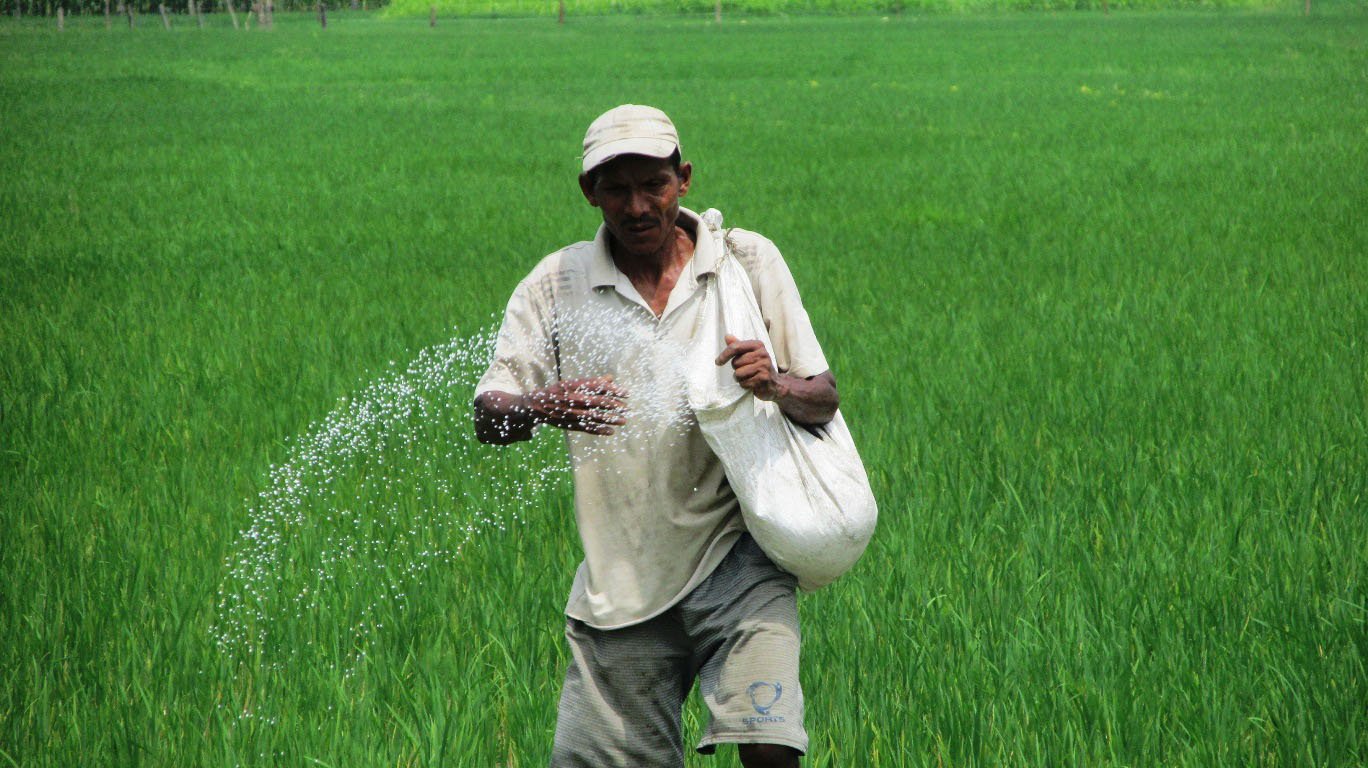
India is also facing a fertilizer shortage due to the conflict in West Asia, but it has managed the situation through diplomatic channels and domestic production of Nano Urea (liquid fertilizer).
China does not face a fertilizer shortage as it produces fertilizer from coal. A Joint Secretary at the Ministry of Agriculture said, 'Fertilizer can be imported from China, but the process is cumbersome, so no immediate initiative has been taken in that direction.'
The Ministry of Agriculture has prioritized India. Sources say that discussions with other countries will only be pursued if the efforts with India do not succeed.
According to the ministry, informal discussions are also underway with China and Bangladesh. Officials state that while various possibilities are being discussed, nothing has been finalized.
The current fertilizer crisis in Nepal appears solvable only through diplomatic channels. While fertilizer is typically purchased through global tenders, two recent tenders were cancelled. Due to the ongoing conflict, no shipping companies are willing to participate in the tenders.
In such circumstances, officials from the Ministry of Agriculture state that the government must initiate diplomatic efforts to secure fertilizer through a G2G agreement.
This specific news has been automatically translated by AI. As a result, there may be some inaccuracies or language errors.