Thapathali Squatter Settlement: Activists vs. Real Residents Amid Eviction Orders

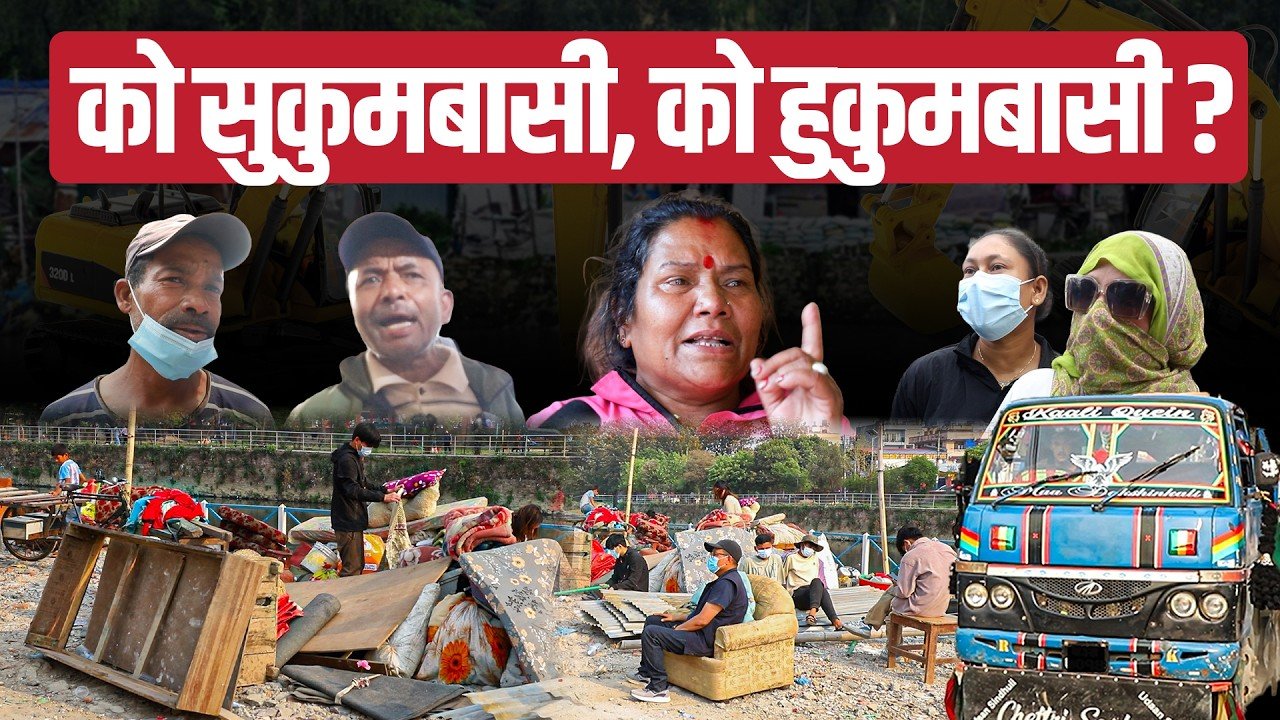
Kathmandu. The scene at the Thapathali squatter settlement on Friday afternoon was striking. Various groups gathered under the scorching sun, chanting slogans against Balen Shah and the government. Among the protesters were Gen Z groups and members of various organizations, surrounded by cameras as they held placards.
However, the actual squatters were largely absent from the protest. Instead, those identifying as 'activists' were more visible. Long-term residents of the Thapathali settlement showed little interest in speaking or giving interviews, often turning away when approached.
By afternoon, the crowd of Gen Z, viral activists, and politicians grew. Their presence seemed more focused on media attention and going viral than on solving the squatters' problems. The same faces, often seen at every protest, were present, followed by Kathmandu-based YouTubers who captured the voices of those who were not actual squatters.
Some community leaders from the settlement headed to the Rastriya Swatantra Party office, while others began loading their belongings onto private vehicles. Following the police announcement on Thursday evening to vacate the area, a sense of uncertainty and fear had gripped the settlement.
By Friday morning, many had already moved their belongings. After 11 AM, vehicles loaded with goods were visible everywhere. Hoping they might still be allowed to stay, some community leaders prevented the loaded vehicles from leaving. Drivers were frustrated; Manoj Sah, a driver, remarked, 'It has been three hours since I loaded the goods. They won't let me leave. I haven't made any business today. I will unload and leave now.'
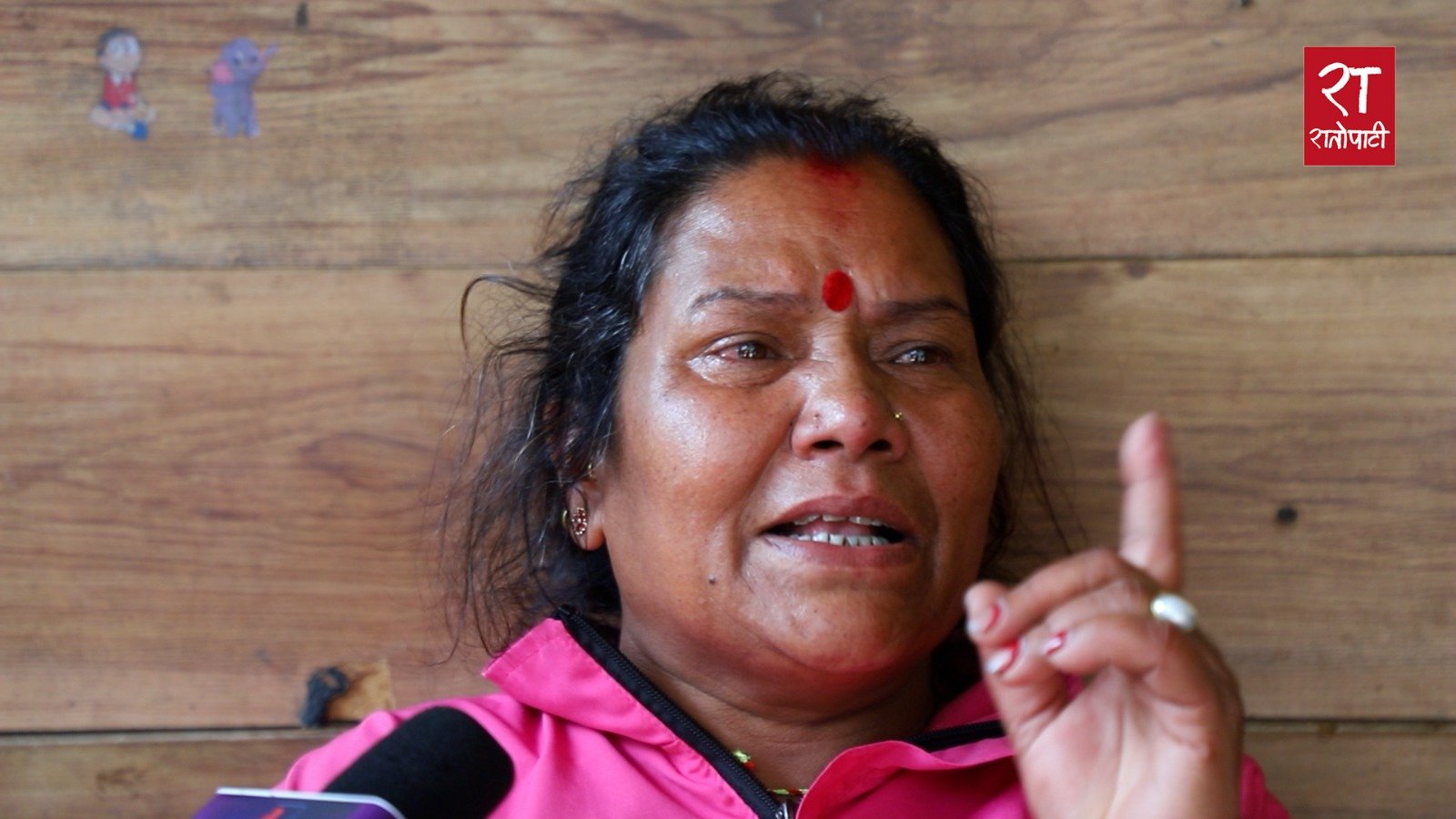
The government's eviction order left residents feeling angry, uncertain, and desperate, particularly the disabled, pregnant women, and the sick. Sarita Rai, who has lived in Thapathali for 24 years, looked distressed. 'I haven't eaten or slept since yesterday. My mother is a paralysis patient,' she said. 'When I go to look for a room, people refuse to rent to me once they hear I am a squatter.' She expressed frustration over being criticized for owning a mobile phone or wearing gold jewelry.
A lack of clear information from the government fueled the confusion. It was difficult to distinguish between genuine and fake squatters in the crowd. However, speaking to individuals like Sunil Majhi revealed a different perspective. Initially hesitant, he expressed support for the government's decision to clear the riverbank settlement.
Tired of the recurring threat of floods, Sunil hopes the government will properly manage the genuine squatters. Sunil, who has worked as a driver for 10 years, has already moved his belongings to his employer's house.
His mother, Maya, agrees. She accepted the government's decision positively. The family moved to Kathmandu from Garamani, Jhapa, in 2055 BS after losing their ancestral property. Now 55, Maya has spent 25 years in the Thapathali settlement, working as a cleaner for 28 years to support her family. She hopes for better arrangements following the government's decision.
'The government has done a good job. We are happy,' said Unisa Majhi, a second-year undergraduate student at Baneshwor Campus. 'The government should identify the real squatters and move them to a safe place.' She openly welcomed the government's move.

While genuine squatters hoped for proper management, those who had already acquired land and property appeared fearful of losing their assets.
This specific news has been automatically translated by AI. As a result, there may be some inaccuracies or language errors.