Former UK Councilor Calls for Drastic Reduction in Nepal's Elected Officials to Curb Economic Burden


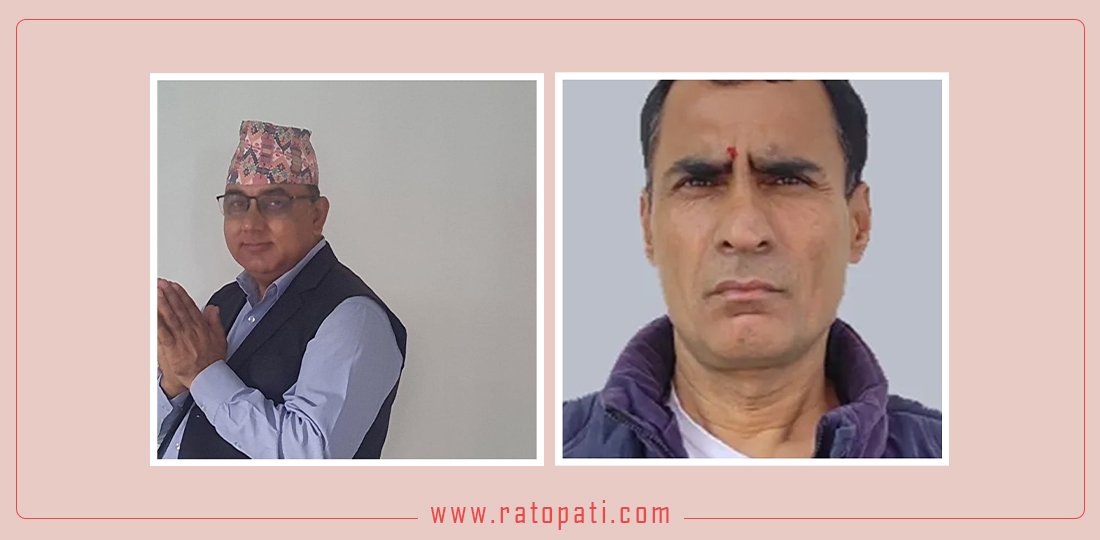
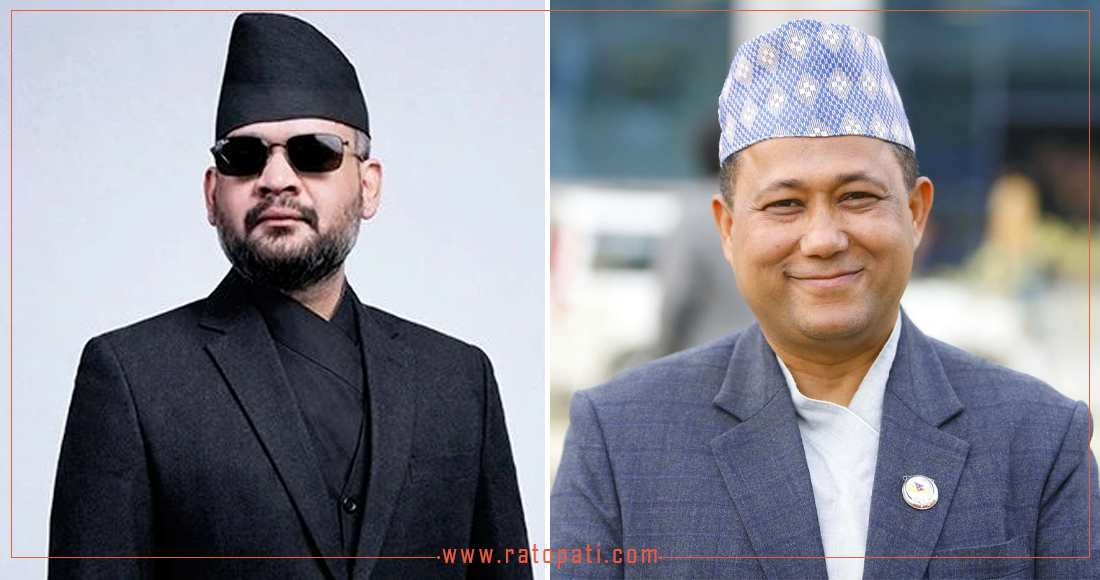
KATHMANDU. Amid ongoing debates regarding the restructuring of federal, provincial, and local bodies in Nepal, former Deputy Mayor of the London Borough of Barnet, Councilor Laxya Gurung, has suggested a significant reduction in the number of elected representatives in the country.
Gurung, who resides in London, expressed the view that if the Nepal government improves road, transport, and digital services to gradually digitize service delivery and revenue collection, geography and land area will not significantly impact management. According to him, the three-tier government system is becoming extremely expensive relative to the size of Nepal's economy, placing an unnecessary financial burden on the state.
He pointed out the need for structural reforms at all levels, stating that the number of representatives at the local level should be determined based on population and revenue generation rather than land area.
Citing the example of Madi Rural Municipality in Kaski district, Gandaki Province, he noted that according to the National Census 2078, the population is 16,142. He argued that having over 60 representatives for the 12 wards of that municipality is excessive. Highlighting the large sums spent on salaries, allowances, and other facilities for the chairperson, vice-chairperson, ward chairs, and members, he stated that spending millions in a municipality with a small population is unsustainable for a weak economy like Nepal's.
According to Councilor Gurung, a former Gurkha soldier, the development process has slowed down because funds meant for public services are being spent on maintaining representatives, leaving citizens without expected services. Drawing a comparison with the UK, he mentioned that a ward in the Barnet Council under the London metropolis serves a population similar to Madi Rural Municipality with only three councilors.
“It is necessary to reduce the number of representatives to cut government spending and provide effective services to the public; instead, the number of staff providing services should be increased as needed,” he said.
Why are three lawmakers needed for a single constituency?
Councilor Gurung also questioned the arrangement in Nepal where a single constituency has three representatives: two provincial lawmakers and one federal lawmaker. “Why are three lawmakers needed in one area? This leads to duplication of work and conflicts of interest,” he said.
He also criticized the excessive number of ministers in provincial governments. Objecting to the constitutional provision allowing for a large number of provincial ministers, he noted duplication within the federal structure. Furthermore, he believes the role of the Chief District Officer (CDO) should be reviewed, suggesting that local government heads could handle most administrative responsibilities.
Gurung noted that while Nepal has a population of about 30 million, it has 884 federal and provincial lawmakers, whereas the UK has only 650 lawmakers for a population of 67 million. “It is not that we must adopt the UK model, but having more representatives than necessary in Nepal is placing a huge economic burden on the country,” he said.
He suggested that the number of representatives at all levels in Nepal should be reduced, and the savings should be invested in development projects and public service delivery.
This specific news has been automatically translated by AI. As a result, there may be some inaccuracies or language errors.