Strict Customs Enforcement at Nepal-India Border Disrupts Daily Life for Locals


Janakpurdham. With the arrival of Baisakh, the season for weddings, bratabandha, and other auspicious ceremonies has begun. Locals living near the Nepal-India border travel to Indian markets daily to purchase everything from salt to gold.
The people of Madhesh have relied on Indian markets for generations. However, the government's recent enforcement of customs duties on goods exceeding 100 rupees has caused significant hardship. This policy has disrupted the daily lives of ordinary citizens, including housewives, daily wage earners, and low-income families.
Sunita Mahato from Gaushala Municipality-Kantibazar says, 'No one enjoys crossing the border in harsh weather for fun. But there is a massive price difference. We go to save a few rupees.' While she supports a strong national economy, she urges the government to implement rules without burdening the public, fearing the current strictness is damaging the 'Roti-Beti' (bread and daughter) relationship.
Similar complaints come from Manju Devi of Samsi Rural Municipality, who finds it difficult to manage expenses with the new customs requirements. Others, like Laxmi Devi of Sonma Rural Municipality, worry about receiving gifts from relatives across the border, while Binod Sah fears the policy will only encourage smuggling.
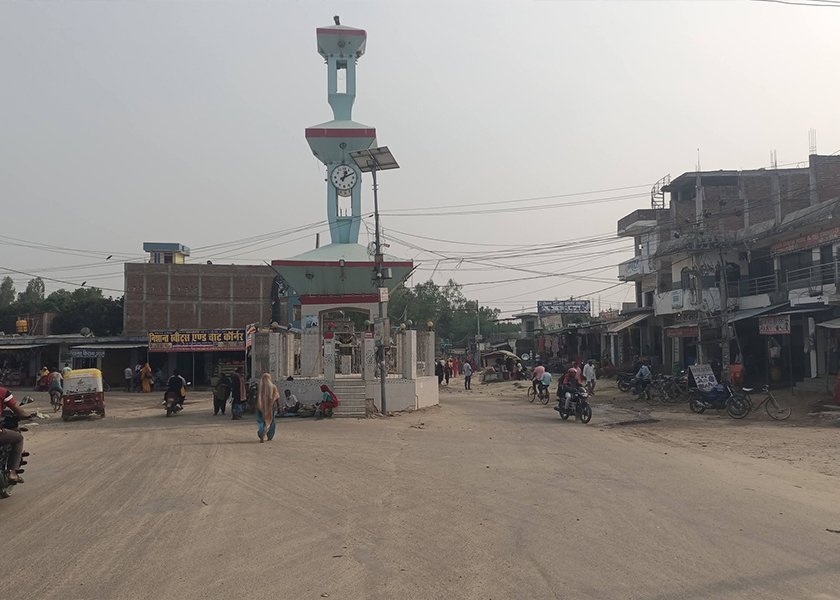
Social activists like Kishor Mandal and Saroj Mishra argue that the policy is impractical, noting that many border points lack proper customs infrastructure. They demand an immediate review of the policy to avoid straining social and cultural ties.
Surendra Bhandari, President of the Janakpurdham Chamber of Commerce and Industry, calls the move impractical, warning that restricting Indian vehicles will deter tourists and harm local businesses.
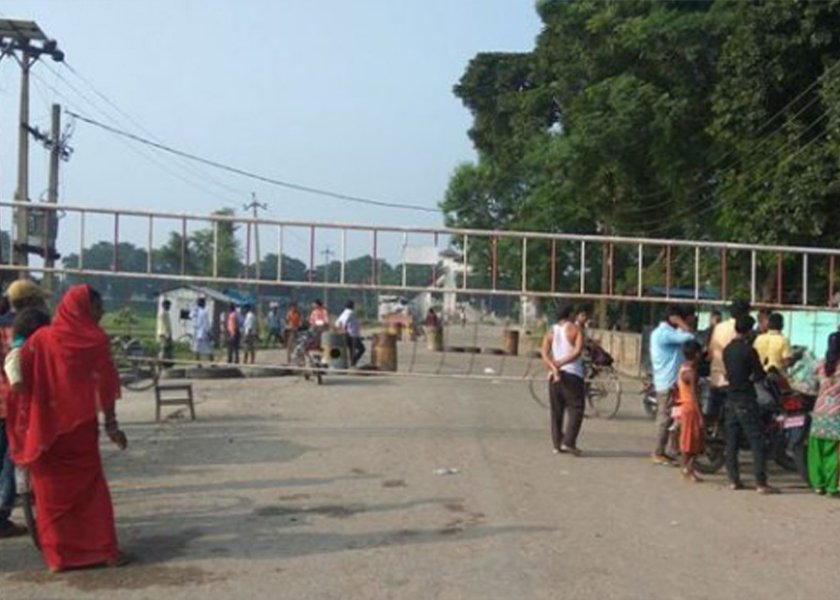
According to the Customs Act, 2081, individuals crossing the border may be granted exemptions on personal goods up to 100 rupees at the discretion of the customs chief. Uday Singh Bista, Information Officer at the Birgunj Customs Office, claims this rule has always existed and is now simply being enforced to promote the internal market.
Border Markets Quiet After Crackdown
The crackdown has led to a sharp decline in activity at Indian border markets like Kanma, which were previously bustling with Nepali consumers. This has had a ripple effect on local markets in Mahottari, such as Gaushala and Aurahi. While some local traders in Bardibas report an increase in customers, consumers remain dissatisfied due to higher prices and limited options.
The Nepal-India Open Border Dialogue Group has demanded a review of the customs policy, suggesting exemptions for household goods and a 48-hour customs-free facility for religious pilgrims.
Not Intended to Harass - Armed Police
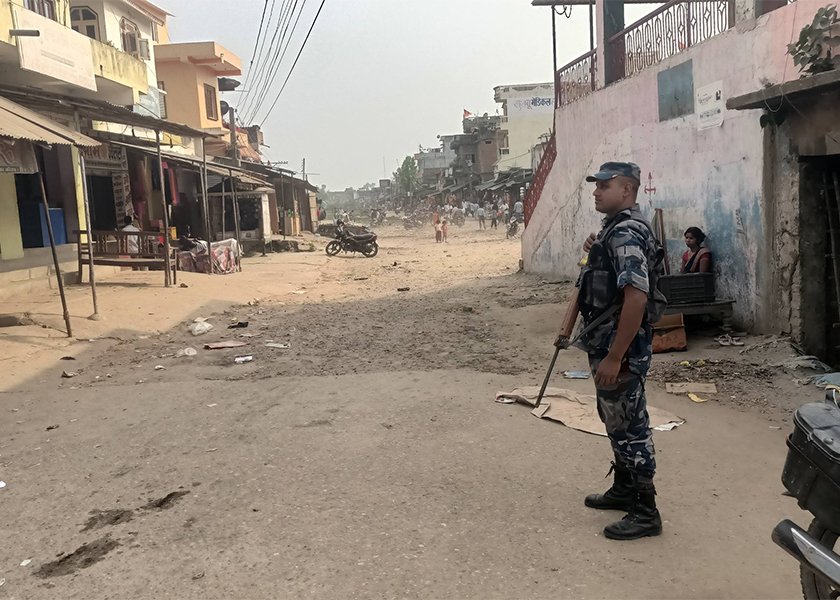
DIG Krishna Dhakal of the Armed Police Force stated that the actions are based on central directives and are intended to foster a culture of paying customs duties, not to harass citizens. Similarly, Madhesh Province Police Chief DIG Govinda Thapalia noted that the police have not received complaints regarding harassment, emphasizing that customs officials and the Armed Police are managing the enforcement.
This specific news has been automatically translated by AI. As a result, there may be some inaccuracies or language errors.




_Hd6sr8PGgB.jpg)