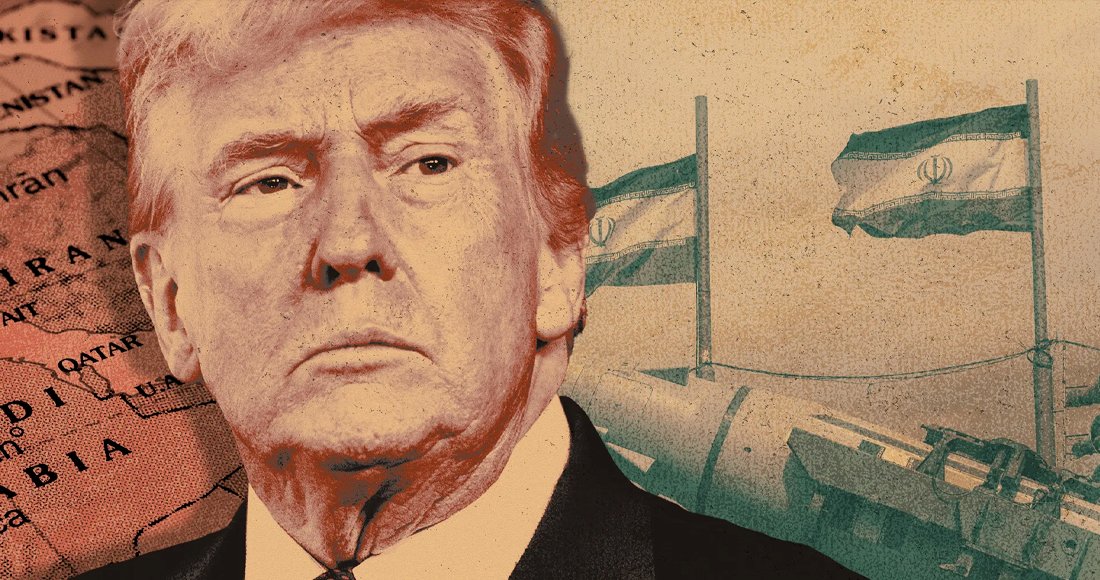
UK Shifts Strategy Toward EU Amid Strained US Relations

Kathmandu. Following a cooling of the traditional 'special relationship' between the UK and the US due to the war with Iran and associated diplomatic tensions, the UK has intensified its strategy to move closer to the European Union (EU).
The government is preparing to restructure its relationship with Europe through new legislation next month, a move viewed as significant in the context of shifting international power balances.
Prime Minister Keir Starmer's government is preparing to introduce an 'EU Reset' bill, which would grant the UK the authority to gradually align with EU regulations. This is being termed 'dynamic alignment,' which is expected to facilitate economic and trade cooperation. According to a government official, this will be formally announced when King Charles III presents the government's upcoming legislative agenda in Parliament on May 13.
Analysts suggest that the unpredictable behavior of US President Donald Trump and his harsh rhetoric toward the UK have forced London to consider alternative partnerships. According to Evie Aspinall, Director of the British Foreign Policy Group, the Iran war has provided further momentum to a British government already seeking to draw closer to Europe.
Since the Labour Party's victory in the 2024 general election, Starmer has consistently advocated for deeper economic and security cooperation with Europe. In a recent meeting with Dutch leader Rob Jetten, he stated that it is necessary to reshape the UK-EU partnership to address current challenges.
The EU remains the UK's largest trading partner. The International Monetary Fund has also warned that the UK is among the advanced economies most affected by the Iran conflict, which appears to have brought cooperation with Europe back to the forefront. A British official has acknowledged that the Iran crisis has made this restructuring even more necessary.
Starmer refused to directly involve the UK in the initial attacks launched by the US and Israel on February 28, which dissatisfied the Trump administration. However, he did allow the US military to use British military bases for limited defensive purposes. Meanwhile, Trump has even threatened to scrap trade deals with the UK, further straining relations between the two countries.
According to David Henig, an expert on post-Brexit trade policy, Trump's unreliable policy has given new momentum to UK-EU relations. He noted that cooperation with the EU appears to be a more practical option than an independent trade policy.
The government plans to submit EU-related legislation to Parliament in the coming months. This could coincide with the 10th anniversary of the 2016 Brexit referendum. Under the proposed arrangements, MPs would have the authority to approve the adoption of EU rules in some cases without a full vote.
This initiative includes trade agreements to reduce red tape on food and plant exports and plans to connect the UK to the EU's internal electricity market. Additionally, negotiations between the UK and the EU regarding a youth mobility scheme are in the final stages, with the goal of finalizing them at a joint summit to be held at the end of June or early July.
However, Starmer has ruled out the possibility of the UK returning to the single market or restoring free movement. The Liberal Democrats have suggested that the UK should also discuss the possibility of a customs union with the EU.
Brexit remains a sensitive issue in British politics. The Reform UK party, led by Nigel Farage, has criticized any attempt to move closer to the EU as a 'betrayal' of the referendum decision. But recent polls show that many British voters regret the decision to leave the EU, which the Starmer government has taken as an opportunity.
Meanwhile, rising living costs and economic pressure have also influenced public opinion. Finance Minister Rachel Reeves accused Trump of starting a war without a clear strategy, stating that it has impacted British families.
According to analyst Aspinall, as the relationship with the US weakens, public opposition to a closer relationship with the EU is gradually decreasing, signaling a shift in the UK's foreign policy in a new direction.
This specific news has been automatically translated by AI. As a result, there may be some inaccuracies or language errors.