Ujyalo Nepal Party Protests Continuous Fuel Price Hikes


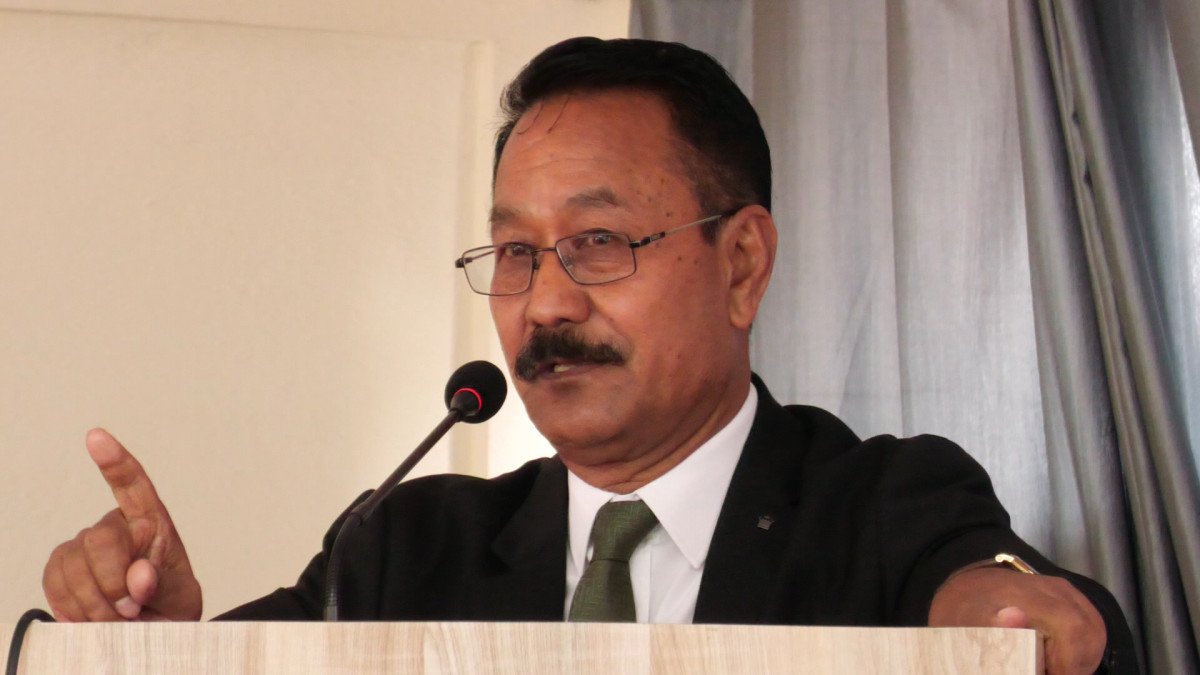
Kathmandu. The Ujyalo Nepal Party has expressed strong objection to the recent continuous increases in petroleum prices. In a press release, the party stated that there were expectations of stability in the fuel market after Prime Minister Balen Shah assumed office on 27 March 2026. However, the reality has proven to be the opposite, with fuel prices being hiked repeatedly since the government's formation.
The party further added, 'When fuel prices rise, the impact is not limited to petrol pumps. It creates a chain reaction affecting transportation, logistics, agriculture, construction, industry, retail, schools, hospitals, and daily household expenses. More critically, once prices rise due to increased costs, they rarely return to previous levels even if fuel prices drop. Therefore, fuel price hikes are one of the most sensitive triggers for inflation.'
The party noted that while other South Asian countries have attempted to provide relief through tax adjustments, subsidies, and automated pricing systems during difficult times, no such strategic intervention has been seen in Nepal.
The statement reads, 'Currently, petrol has reached Rs 219 and diesel Rs 237 per liter in Kathmandu. Comparing this to prices in the bordering Indian town of Raxaul, petrol is approximately Rs 48 and diesel Rs 88 more expensive in Nepal. Such an unnatural price gap significantly increases the risk of smuggling, informal supply, and illegal trade. If this imbalance persists, it could lead to a rise in illegal cross-border fuel trade and negatively impact state revenue.'
Asserting that the government's role in essential commodities like fuel cannot be limited to merely approving price hikes, the party demanded that the state take an active role in price control, relief, transparency, and developing alternatives.
The Ujyalo Nepal Party has placed the following demands before the government:
1. Immediately review taxes, customs, infrastructure levies, and other charges on petroleum products to reduce retail prices.
2. Utilize available price stabilization funds immediately to provide relief to the public.
3. Establish a special price equalization mechanism to reduce the unnatural price gap between Nepal and Indian border markets.
4. Conduct joint monitoring campaigns to control smuggling, black marketing, artificial shortages, and carteling.
5. Reduce dependence on petroleum by providing targeted subsidies for electric stoves, electric vehicles, and the use of domestic energy.
6. Ensure full transparency by regularly publishing the actual cost price, tax structure, profit/loss, and the basis for price adjustments of the Nepal Oil Corporation.
This specific news has been automatically translated by AI. As a result, there may be some inaccuracies or language errors.