The Science and Benefits of Infant Massage: A Guide for Parents

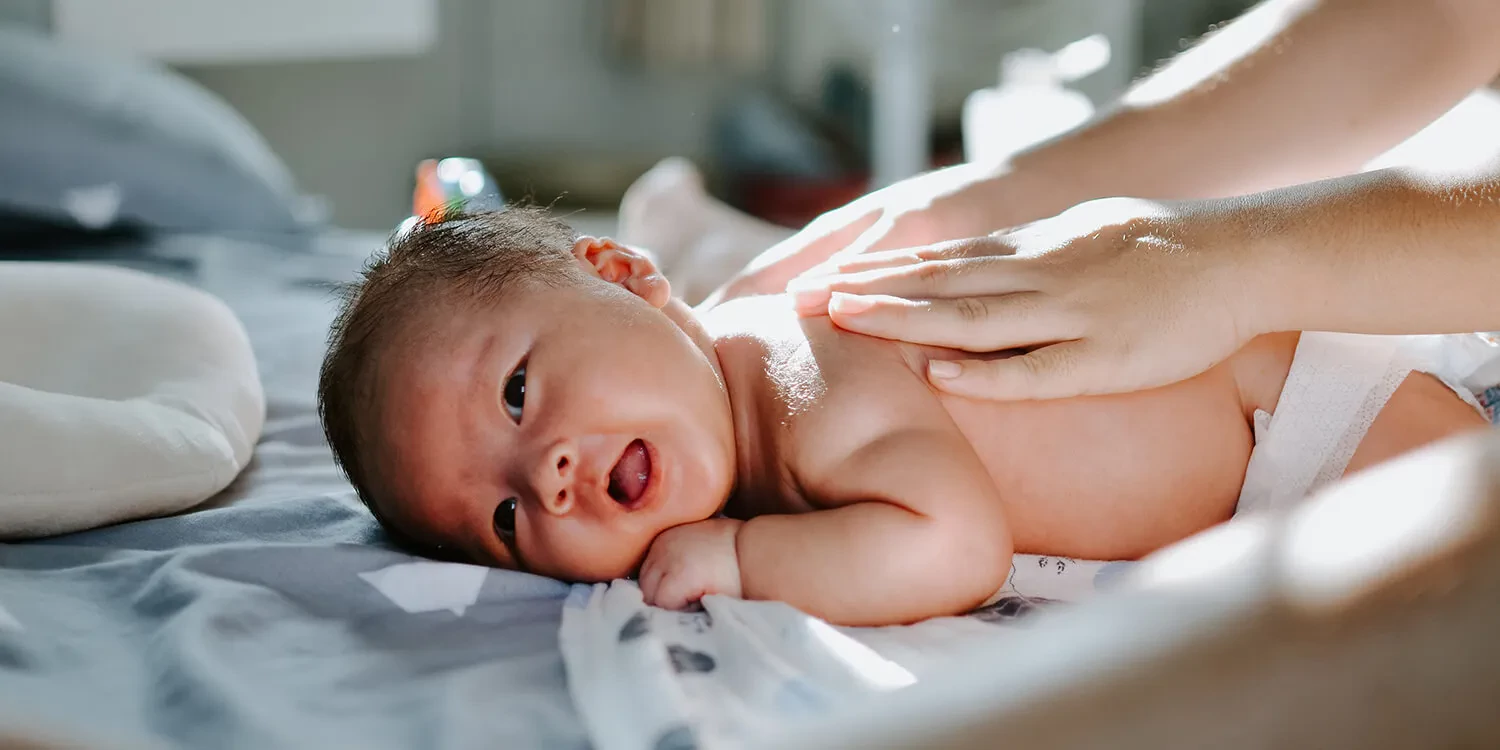
Kathmandu. Massaging newborns and young children has been an essential part of our tradition for centuries. However, there are strong scientific reasons behind this practice.
According to doctors and pediatric guidelines, gentle and proper massage significantly aids in a child's physical, mental, and emotional development. Let us explore the benefits of massaging infants:
- Why is massage necessary for young children?
1. Supports Physical Development
Regular massage improves blood circulation, strengthens muscles, and aids in bone development. Research has shown that massage can also help with weight gain, especially in newborns and premature infants.
2. Improves Sleep and Digestion
Massage provides physical and mental relaxation to children, leading to deeper and better sleep. Additionally, gentle abdominal massage provides relief from issues like gas, constipation, and colic.
3. Strengthens the Parent-Child Bond
Touch is a child's first language. Through massage, a child feels safe and nurtured, which strengthens the emotional bond between the parent and the child stronger.
- When should you start massaging after birth?
· Skin-to-skin contact can be initiated immediately after birth.
· Oil massage is generally recommended to start after 1 to 2 weeks, once the umbilical cord has completely dried and fallen off.
· Before starting massage, ensure the baby is completely healthy and consult a doctor.
· This timeframe is considered safe according to pediatric guidelines.
- Important precautions to take while massaging:
· Always massage with light and gentle hands; do not apply excessive pressure on the baby's body.
· Choose the right time; the baby should be calm and awake. Also, the baby should not be too hungry or too full.
· Do not massage immediately after feeding. Keep a gap of at least 45 minutes between feeding and massage.
· Use only soft and safe oils (coconut, almond, or doctor-recommended oil).
· Before applying oil all over the body, perform a patch test on a small area of skin to check for allergies.
· Do not massage if the baby has a fever, rashes, open wounds, or is ill.
· Understand the baby's cues: If the baby cries, stiffens their body, or makes faces during the massage, stop immediately.
Massage performed with the right age, proper technique, and full precautions is extremely beneficial for a child's overall development. It is not just a tradition, but a scientifically proven and effective method of care.
This specific news has been automatically translated by AI. As a result, there may be some inaccuracies or language errors.