Nepal's Local Governments Lead Shift Toward Electric Public Transit


Kathmandu. This week, major cities across the country have taken positive steps in the public transport sector. Metropolitan and sub-metropolitan cities have introduced public electric vehicles (EVs).
In Kathmandu, Sajha Yatayat, in collaboration with Kathmandu and Lalitpur Metropolitan Cities, and Chandragiri and Budhanilkantha Municipalities, has launched a night bus service operating from 8 PM to 11 PM.
Similarly, Pokhara Metropolitan City has started providing a free shuttle bus service using electric buses from Pokhara Airport to Amarsingh Chowk. Lalitpur Metropolitan City has also purchased 11 electric trucks for waste collection and transportation.
Night EVs in Kathmandu
Night buses equipped with Wi-Fi services have come into operation in Kathmandu. Starting from Baisakh 1, this service, which connects the geographical areas of Kathmandu Metropolitan City, Lalitpur Metropolitan City, Chandragiri Municipality, and Budhanilkantha Municipality, was inaugurated from Pulchowk.
_nucTu58MG3.jpg)
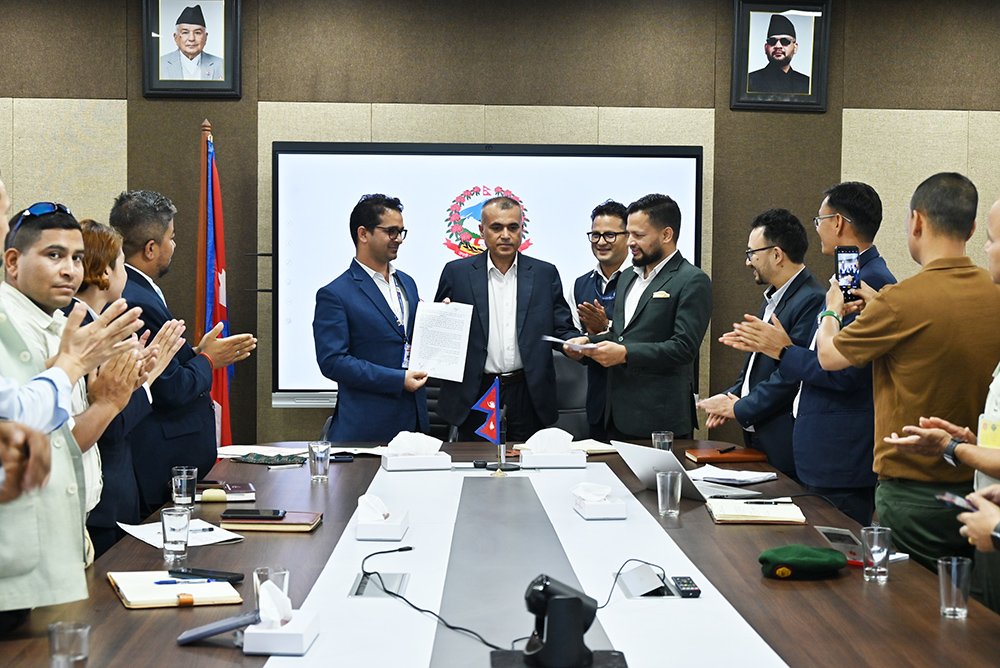
Acting Mayor of Kathmandu Sunita Dangol, Mayor of Lalitpur Chiribabu Maharjan, Mayor of Chandragiri Ghanshyam Giri, and Mayor of Budhanilkantha Mitharam Adhikari initiated the service by signing a memorandum of understanding regarding coordination and cooperation.
Initially, 7 buses have been brought into operation. For security, 4 CCTV cameras have been installed in each bus, which will be monitored from a control room. This eliminates the fear of losing belongings and allows for immediate control of any misconduct or harassment. To ensure passenger safety, the Kathmandu Metropolitan City has deployed one municipal police officer on each bus.
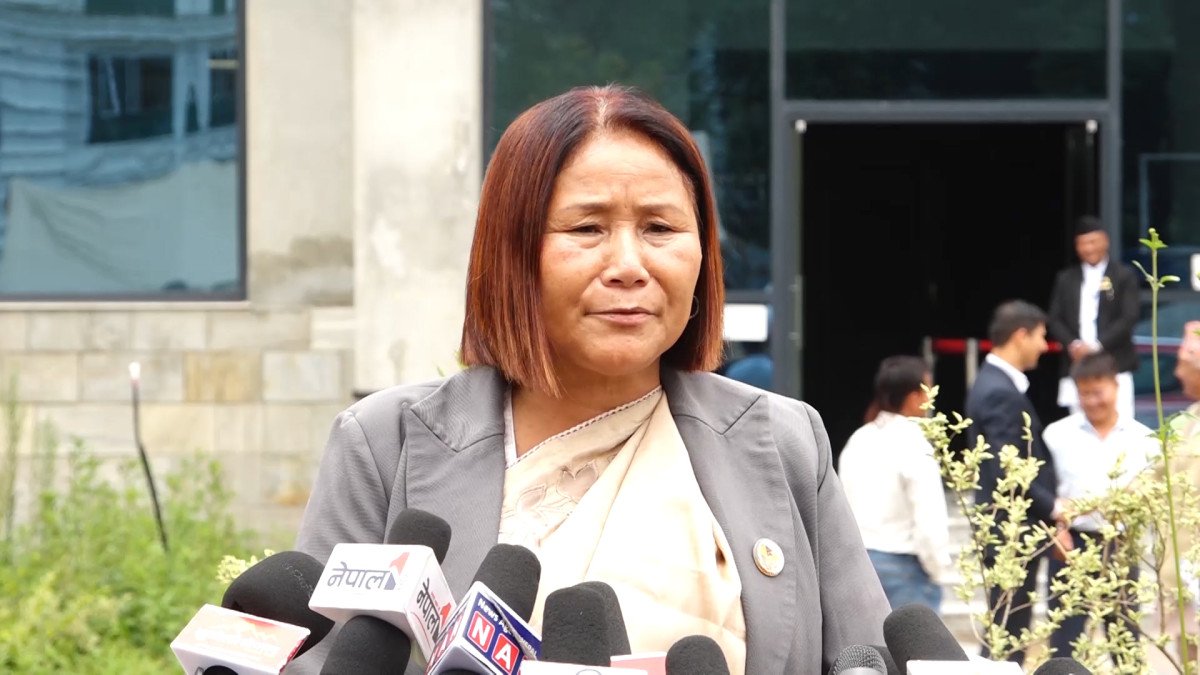
While launching the service, Acting Mayor Dangol stated that there is a plan to make the night service sustainable and also start a morning service. Referring to feedback from past practices, she said, 'Yesterday's practice was focused on financial returns. Today, we have targeted efficient and quality service, not financial returns. We will create a cost-sharing model by coordinating between the local levels of the valley. Now our plan is to make the night service sustainable and start the morning service, which will be a great help to students, small business owners, and the working class.'
_MaupYiUSWy.jpg)
Lalitpur Mayor Maharjan stated that a shared vision among all partners in financial collaboration is the important foundation for the sustainability of the service. Expressing enthusiasm, he said that many citizens would benefit from this service. Chandragiri Mayor Giri expressed the view that since 50,000 people travel through the Thankot checkpoint daily, this will contribute significantly to economic and social activities. Budhanilkantha Mayor Adhikari mentioned that local residents are very happy with this service and that it should be expanded.
The municipalities have started this service in collaboration with Sajha Yatayat. Sajha Yatayat will bear the costs until the end of Ashar, and the municipalities have committed to sharing the expenses thereafter. Sajha Yatayat Chairman Sushilraj Pyakurel said that this commitment from the municipalities is important.
On the first day of the night bus service, the Sajha bus that departed from Budhanilkantha at 8 PM reached Maharajgunj in 16 minutes and Lagankhel at 8:46 PM. Similarly, the bus that departed from Thankot at 8 PM reached Kalanki in 21 minutes and the airport in 45 minutes.
The buses for this service will depart from three main points every 20 minutes. The south route bus will start from Lagankhel and reach Budhanilkantha via Patan Hospital, Thapathali, Jamal, and Teaching Hospital. The east-west route bus will reach the International Airport from Thankot via Kalanki, Kalimati, Sundhara, and Baneshwor. Passengers will easily get service on these routes, which have a one-way distance of 16 to 20 kilometers.
Pokhara's Effort: Free EV Shuttle
Pokhara Metropolitan City has also started a two-way free shuttle bus service from Pokhara International Airport to Amarsingh Chowk. Mayor Dhanraj Acharya inaugurated it on Tuesday. These well-equipped electric buses have been brought into operation in collaboration with Metropolitan Transport Pvt. Ltd., Krishi Bikas Bank, and Kamana Sewa Bikas Bank.
_lbXxk3wrej.jpg)
Acharya said that this service was started to provide reliable and simple travel facilities to air passengers. He informed that the free service will be provided as a trial until the end of Ashar, and the service will be refined later based on its effectiveness.
Lalitpur's Environmental Initiative
Lalitpur Metropolitan City has brought 11 electric waste collection vans into operation under its policy of making the city 'fossil fuel' free. To strengthen the campaign to make the city environment-friendly, Mayor Maharjan handed over these vehicles to the Environment Department.
These Foton company vehicles are designed to easily navigate the old and narrow alleys of Lalitpur. Mayor Maharjan said that the metropolitan city has now adopted a policy of not buying petrol and diesel vehicles as much as possible. These vehicles are equipped with 'electric booms' and GPS, which will make waste disposal and monitoring easier. Technical studies have shown that operating electric vehicles saves about 7 million rupees annually compared to diesel vehicles.
Experts Say – A Positive Initiative
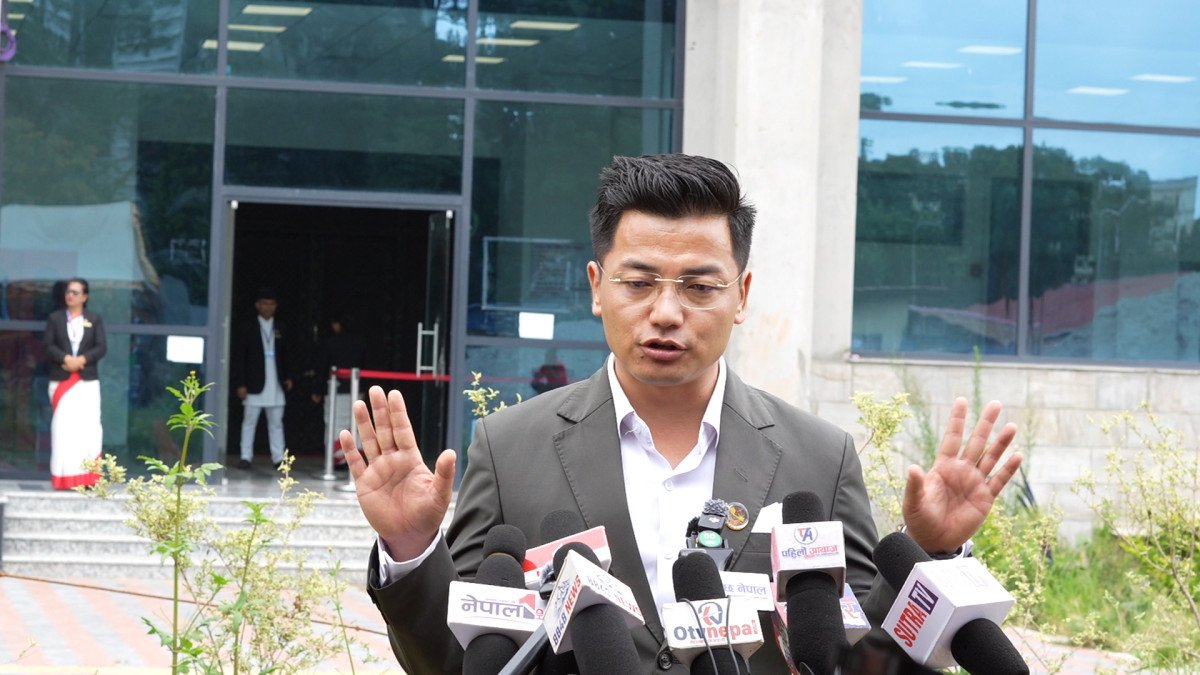
Environmental activist and expert Bhushan Tuladhar calls this a good initiative by the local government. 'This week, local governments did good work for the environment sector,' he said. Tuladhar stated that the development of an environment-friendly transport system is commendable.
Infrastructure expert and Member of Parliament Ashish Gajurel has also expressed a positive view. According to him, there is no alternative to electric vehicles for Nepal to cut the huge expenditure on petroleum imports and consume electricity produced within the country. Gajurel says, 'The main responsibility of managing public transport lies with the local government, and it is a matter of happiness that they have realized this responsibility.'
However, he also mentions that there are some challenges. His argument is that the condition of Nepal's roads and the lack of charging stations could lead to some technical difficulties in operating EVs. 'EVs need good roads and sufficient charging infrastructure, on which a lot of work remains to be done,' he says.
_178D2Z6kh7.jpg)
Another public transport expert, Sagar Onta, says that one should think about its economic and policy aspects. According to him, although the initial purchase price of electric buses is very expensive, their operation and maintenance costs are much lower compared to diesel vehicles.
'Saving fuel costs incurred in diesel vehicles is its biggest strength,' says Onta. However, he has also raised questions about the sustainability of the operation. He is particularly concerned that Pokhara's free service could lead to conflict with private sector taxi operators and that the problem of syndicates could affect the service.
He adds, 'When the state provides free service, there must be a clear plan on how to manage its costs and how to sustain it in the long term.' Experts have also expressed some dissatisfaction with the role of the federal government. They conclude that it is commendable that local levels have started such work from their own resources when the federal government has not provided proper investment and policy support in public transport. Onta says, 'It is sad that the federal government has adopted a policy of not investing in public transport; in such a situation, the local government coordinating and moving forward is a good example.'
_TCZe2FcYhI.jpg)
Public transport experts have suggested that local governments should prepare technical manpower, expand the network of charging stations, and create policies to attract the private sector to this field to make such electric services successful.
This specific news has been automatically translated by AI. As a result, there may be some inaccuracies or language errors.
_iL3K2wYemS.jpg)