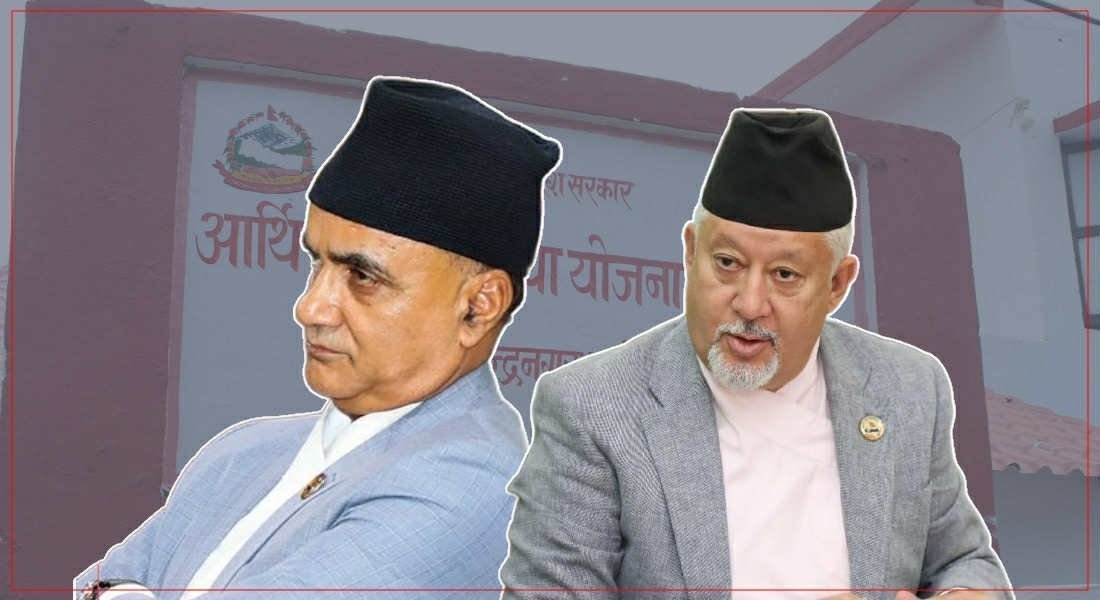
Internal Strife Threatens Future of Rastriya Prajatantra Party


Kathmandu. The history of the Rastriya Prajatantra Party (RPP), dominated by former Panchayat-era figures, began with division. Following the restoration of democracy in 2046 BS, as former Panchayat leaders organized, the party split into two factions because leaders Surya Bahadur Thapa and Lokendra Bahadur Chand could not agree on who would lead as chairman.
RPP leader Janakraj Pathak recalls that due to this dispute, two parties were announced on the same day, Jestha 15, 2047 BS. Lokendra Bahadur Chand, Pashupati Shumsher JBR, Prakash Chandra Lohani, and Padma Sundar Lawati announced the RPP (Chand) at Pashupati Shumsher's residence, while Surya Bahadur Thapa and Balaram Gharti Magar announced the RPP (Thapa) at the home of multi-party leader Chiring Tenzing.
The journey of the RPP, which began with a split, has seen a long series of breakups and reunions. The two factions that split in 2047 BS united for the first time in 2051 BS. After the RPP led by Chand won 3 seats and the RPP led by Thapa won 1 seat in the 2048 BS election, both parties realized the need for unity in 2051 BS. Leaders now admit that the RPP, which has split and reunited multiple times since then, is once again on the verge of division.
However, Pathak states that they are in favor of resolving internal party issues to strengthen the agenda of the monarchy and a Hindu nation.
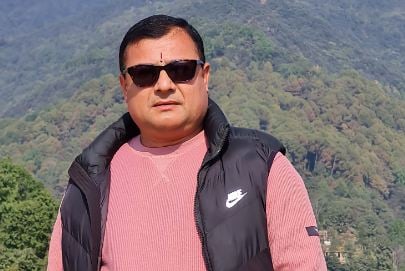
Indeed, in its 36-year history, the RPP has split 10 times. Now, due to disputes over leadership transition and the general convention, suspicions of maneuvering and division have begun to rise again.
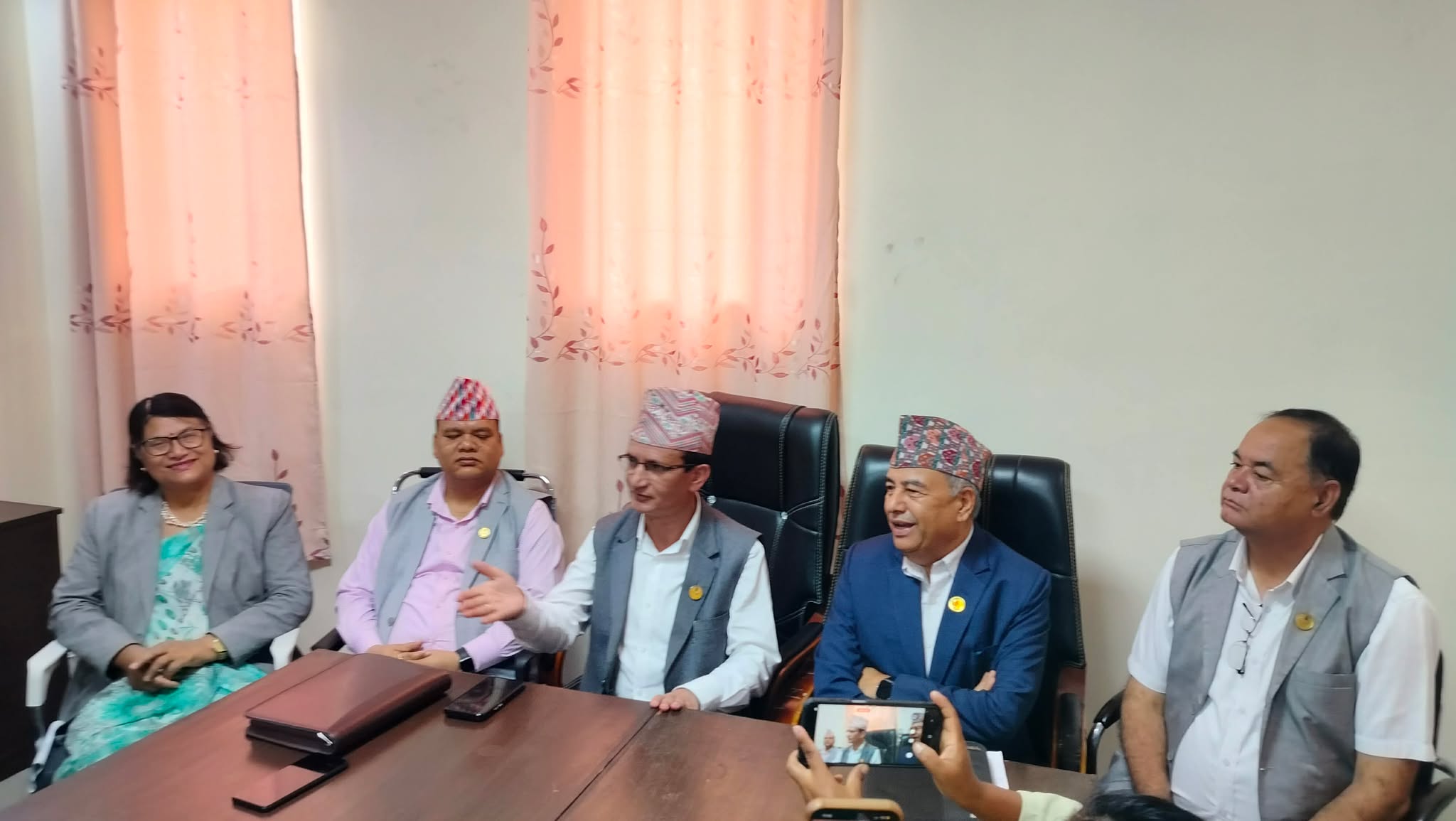
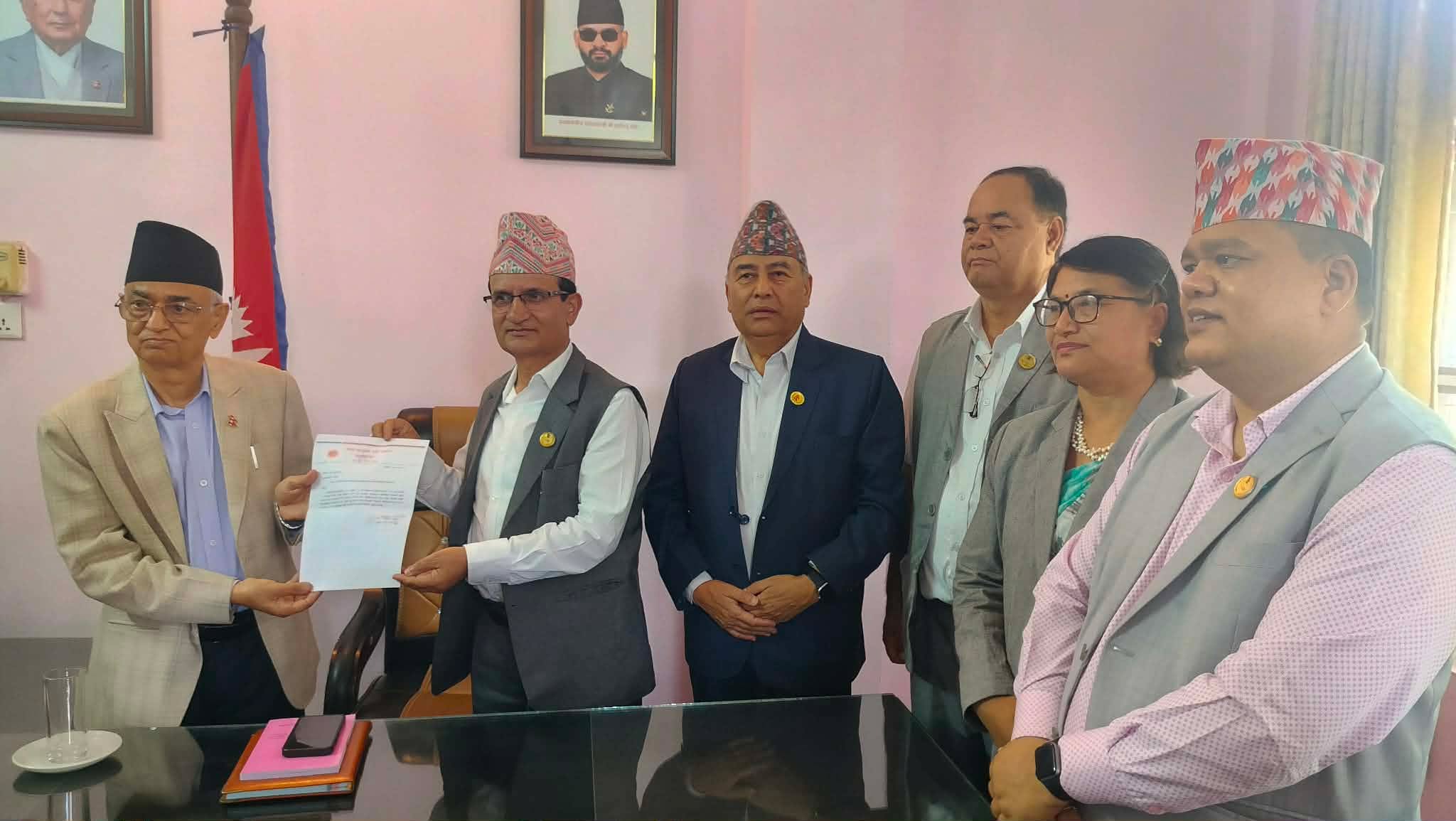
Currently, Rajendra Lingden leads the RPP. However, after the group led by Dhaval Shumsher Rana continuously questioned Lingden's leadership, the internal dispute has not only intensified but has also led to frequent factional meetings in recent days. On Chaitra 29, a letter containing three demands was submitted to Chairman Lingden under the leadership of RPP General Secretary Dhaval Shumsher Rana.
In the letter prepared after the factional meeting, the Rana faction issued an ultimatum to Chairman Lingden to take responsibility for the embarrassing defeat in the elections and to immediately begin the process for a general convention. The letter mentions that although the party raised high hopes after the 2078 BS Unity General Convention, the RPP shrunk significantly in the parliamentary elections held on Falgun 21.
The Rana faction has also criticized the leadership for the party's participation in the Deputy Speaker election. They argue that filing a candidacy for the Deputy Speaker position without any discussion in the Central Working Committee or the Work Execution Committee has raised questions about the RPP's integrity and ideological foundation. Rana commented that this was like rubbing salt into the wounds of the midterm election defeat.
Reminding that the party's term has expired and is currently in an extended period, the dissatisfied faction has emphasized the compulsion to complete the general convention by Jestha 2083 BS. The Rana faction has put forward 3 demands to revitalize the party.
Three Points of Demand
1. A 'Central General Convention Organizing Committee' should be formed under the coordination of an impartial person to conduct the convention in a balanced and credible environment.
2. The date for the central general convention must be announced within the next week.
3. A high-level investigation committee should be formed to conduct a fair investigation into actions taken against the party's ideals, statute, and discipline after the Unity General Convention and to submit a report to the upcoming convention.
The deadline for the three-point ultimatum given by the Rana group ends on Sunday.
- Emphasis on Youth Leadership
Central member Ranjan Karki says that the current dispute in the RPP is not just about a specific person or faction, but is caused by a lack of policy and ideological clarity. He told Ratopati on Thursday, 'The current dispute has reached its peak. The party leadership has failed in the democratic practice and ground it should have maintained.'
He alleged that the current situation arose because the RPP's decision-making process, which should have been democratic, was operated by a small circle of individuals.
Central member Karki has proposed the following three options to avert the current crisis and unite the party.
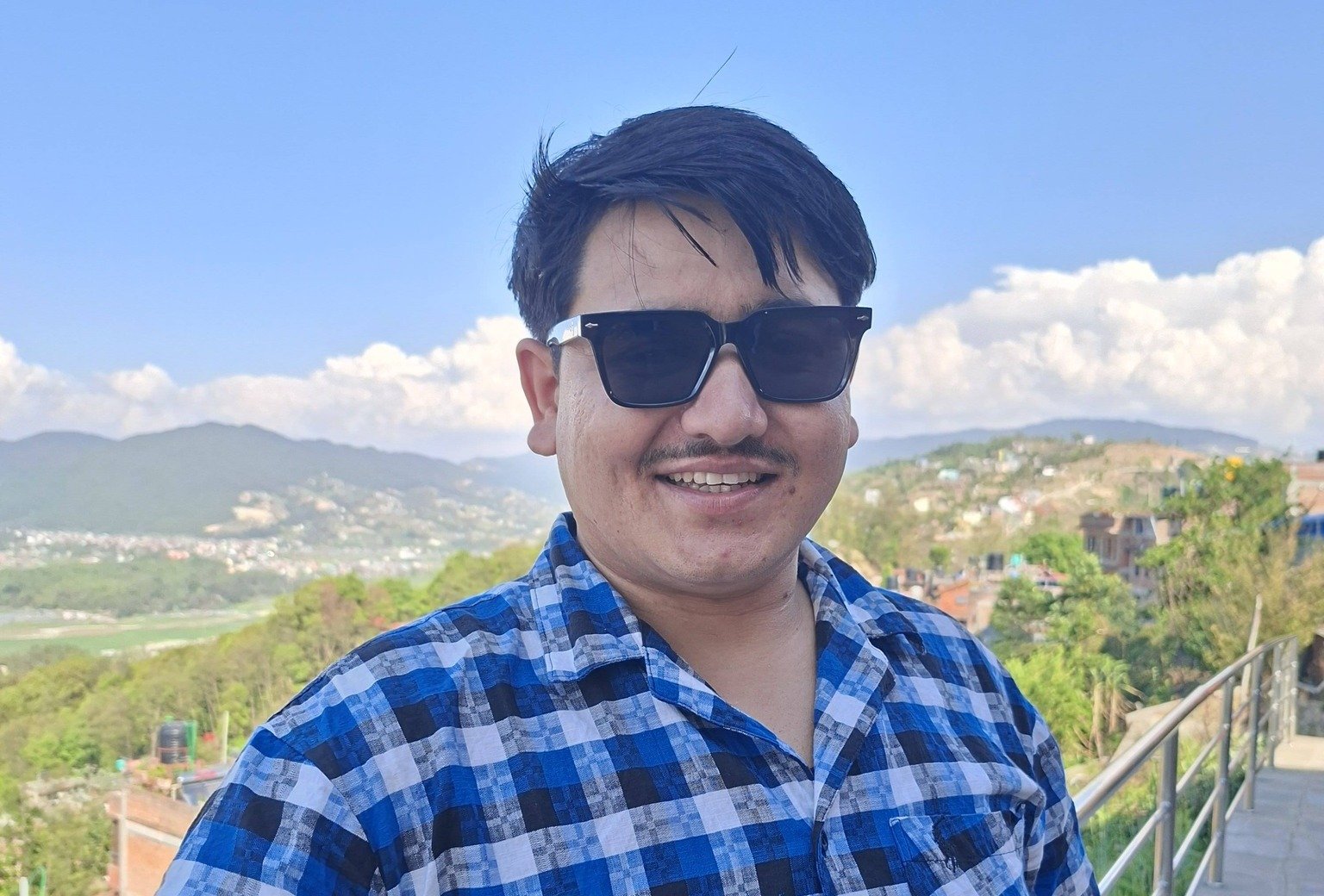
As a first option, he mentioned that there is no alternative to a special or regular general convention to resolve the questions of legitimacy and leadership in the party. As a second option, he mentioned that young leaders within the party should be given space in policy-making and leadership levels.
As a third option, his view is that after the defeat in the election, the leadership should take moral responsibility, resign, and move forward with a new mandate.
He also believes that party decisions should be in accordance with rules and statutes, and the party should move forward by respecting the sentiments of the cadres.
He says that although the current time is difficult for the RPP, the party can only turn a new leaf if the leadership understands the sentiments of the cadres and the changing national politics. He said, 'The work of finding alternatives in the party must now start from the cadre level, otherwise it will be difficult for the RPP to save its reputation.'
- Shrestha Defends Leadership
RPP spokesperson Mohan Shrestha insists that the current leadership can lead the party forward. He said that the current dispute within the RPP should only be taken as a process of internal party democracy and should not be unnecessarily blown out of proportion. Shrestha told Ratopati, 'The party has found a rhythm under the leadership of Rajendra Lingden. There is no situation for a leadership change as demanded by them (the Rana faction). The current leadership has already started the chapter of generational transition; this is just an attempt to fail it.'
Shrestha accused some leaders of the Rana faction of using media and unnecessary agitation for internal party matters. He also said that it is irresponsible to spread rumors outside instead of resolving the problem within the party institutionally.
_AJubgNV1eX.jpg)
Shrestha added, 'The process of replacing an established leadership through a legal process is ongoing. Opposing this is an act contrary to democratic practice.'
Regarding the dissatisfied faction's demand for a general convention, he said that the convention will be held when the time comes. 'It is not that we don't know about holding a general convention. The convention will definitely happen when the time comes according to the party process,' he said, 'But, chanting for a general convention whenever they want for the fulfillment of limited interests is not in the interest of the party.'
The dissatisfied faction has been demanding a regular general convention of the party by Jestha, but the establishment side has been arguing that the convention can be postponed because they merged with the Kamal Thapa-led RPP Nepal before the election.
After the Unity General Convention, the RPP led by Rajendra Lingden won 14 seats in the 2079 BS House of Representatives election. The party, which was united at that time, gradually fell into dispute thereafter. Leaders say that the dispute in the RPP, which was initially limited to the top level, has now spread to the lower levels.
Cadres of the establishment side and the Rana faction seem busy hurling low-level accusations at each other. In the course of the blame game, RPP spokesperson Shrestha mentioned on social media on Wednesday that it was heard that Rana was trying to split the party and collaborate with Durga Prasai, and that he should answer for this.
Similarly, cadres of the Rana faction also expressed that Lingden has many accusations against him and he should answer them. An RPP leader commented that the current dispute in the RPP has spread from head to toe and if the party is not handled, it could head towards division.
- Leadership Greed Causes Party Crisis: Dilnath Giri
Veteran RPP leader Dilnath Giri insists that the main reason for the dissatisfaction and growing dispute within the party is the personal greed of the leadership. He says that the RPP is becoming weak because the 'tendency to loot and eat' and 'fulfill self-interest' is dominating over any ideological debate within the party. He concludes that the main reason for the party's crisis is the leadership's inability to seriously review the results of the last general election and the subsequent situation.
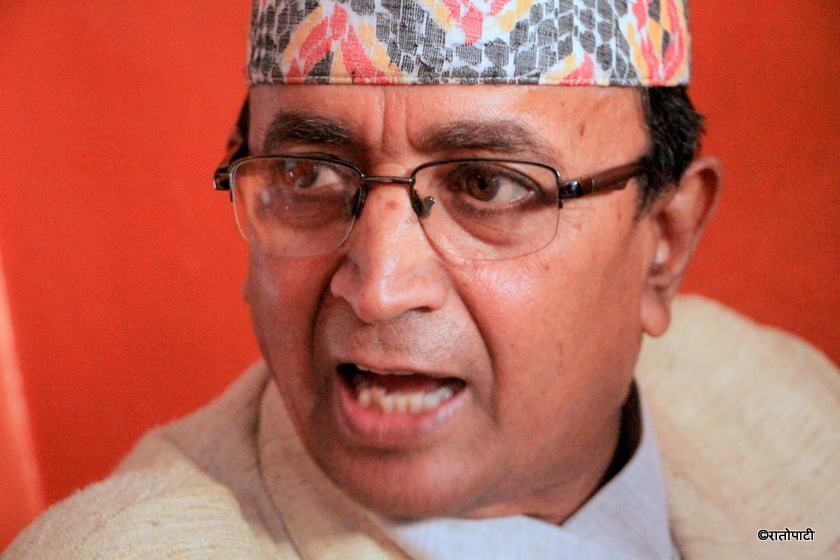
'The leadership could not lead the party as it should have. As a result, resentment has been created towards the party in the eyes of the public,' said Giri.
He said that although he wants to correct this party and move forward, all these matters depend on the leadership. 'The solution to the current problem is not to split, but to improve, but if the leadership continues to ignore the sentiments of the cadres, the public and the cadres themselves will find a way out,' he said.
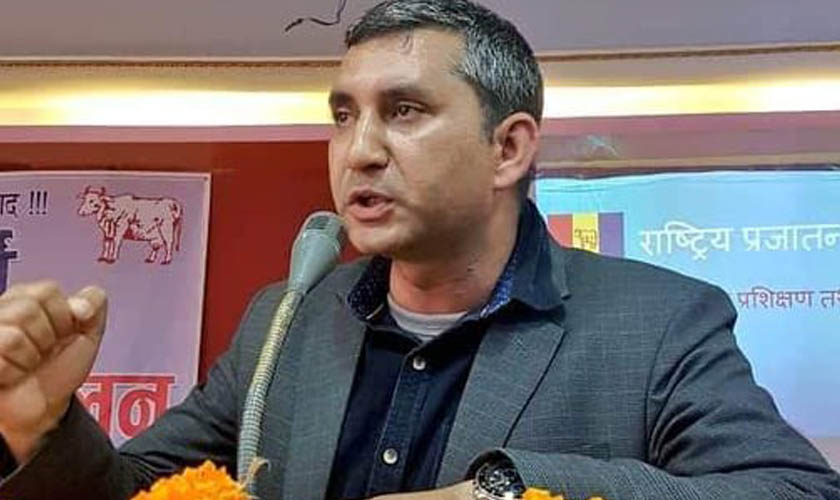
Similarly, leader Rajaram Bartaula, considered to be from the Kamal Thapa faction, insisted that they are not involved in the factionalism and disputes currently seen within the party. Mentioning that he is aware of the crisis within the party, he said that the leadership should self-reflect in time. 'We are not involved in this specific dispute, but the way the party is trapped in confusion, a solution must be found,' he said.
He insists that the RPP can only be revitalized through policy clarity and transparent discussion.
This specific news has been automatically translated by AI. As a result, there may be some inaccuracies or language errors.