Trump Administration Expresses Optimism for Iran Conflict Resolution Amid Ongoing Tensions

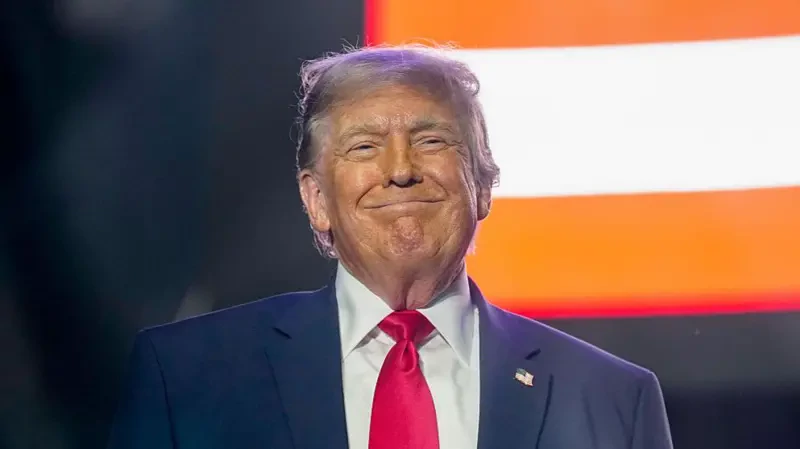
Washington D.C. The administration of US President Donald Trump expressed optimism on Wednesday regarding a potential agreement to end the ongoing conflict with Iran. Trump claims that the war, which began in late February in coordination with Israel, is now nearing its conclusion.
However, the US has not yet eased the military blockade and strict economic sanctions imposed on Iranian ports. White House Press Secretary Karoline Leavitt stated that talks mediated by Pakistan are positive and ongoing, expressing confidence that an agreement will be reached soon.
The US has created new strategic pressure in 'West Asia' to bring Iran to its knees. Treasury Secretary Scott Bessent has warned that further sanctions could be imposed on countries purchasing Iranian oil, particularly China.
Bessent claims that while China has been purchasing more than 80 percent of Iran's oil, the US blockade will now bring this to a complete halt. He stated that Iran will face similar damage in the financial sector as its military structure and leadership have suffered from US and Israeli airstrikes. The US has also made it clear that it will not renew several exemptions previously granted to control oil prices.
Meanwhile, Pakistan is playing an active role in ceasefire and peace talks. After the previous round of negotiations ended without a concrete conclusion, Pakistani Army Chief Field Marshal Asim Munir arrived in Tehran on Wednesday. He will attempt to reduce misunderstandings between the two sides.
Iran has warned that if the blockade is not lifted, it will halt commercial traffic in the Gulf region, the Gulf of Oman, and the Red Sea.
Iranian Foreign Minister Abbas Araghchi welcomed Munir and stated that Iran is committed to peace and stability in the region. If the talks are successful, Iran has proposed allowing safe passage for ships through the maritime route toward Oman.
Due to the war, the Strait of Hormuz, one of the world's most important trade routes, is currently almost at a standstill. In the first 48 hours of the US military blockade, no ships have been able to enter or exit Iranian ports. The US military has turned back nine ships.
Iran has warned that if the blockade is not lifted, it will halt commercial traffic in the Gulf region, the Gulf of Oman, and the Red Sea. President Trump has also used threatening language, stating that he could destroy all of Iran's bridges and power plants in a single hour, but that he does not wish to do so.
Iran's nuclear program and the situation in Lebanon remain the main obstacles in the peace talks. The US has proposed that Iran suspend its nuclear activities for 20 years, while Iran appears willing to agree to only 3 to 5 years.
Furthermore, Iran has labeled Israel's ongoing attacks on Hezbollah in Lebanon as a violation of the ceasefire, whereas the US and Israel continue to treat this as a separate issue. Israeli Prime Minister Benjamin Netanyahu has stated that Israel is prepared for any situation regarding the war with Iran.
This specific news has been automatically translated by AI. As a result, there may be some inaccuracies or language errors.


_iL3K2wYemS.jpg)