Nepal Government's 18-Point 'National Commitment' Draft Sparks Political Debate

Kathmandu. The draft of an 18-point 'National Commitment' aimed at governance reform, unveiled by the government led by Rastriya Swatantra Party (RSP) senior leader Balendra (Balen) Shah, has triggered widespread discussion and debate both within and outside political parties.
The draft, which reportedly incorporates key points from the election manifestos of the six nationally recognized parties from the Falgun 21 House of Representatives election, has been opened for suggestions from political parties and stakeholders.
The government has stated that it will incorporate these suggestions into its action plan and policy programs. Previously, the government had announced it would implement a 'National Commitment' by consolidating the contents of political party manifestos into a 100-point action plan. Accordingly, the Office of the Prime Minister and Council of Ministers released the 18-point commitment on Tuesday.
Opposition leaders have offered mixed reactions to the draft. They commented that the document contains nothing 'novel' or new, suggesting it does not warrant such extensive discussion. Furthermore, they noted that some provisions contradict the constitution and democratic systems, and they are preparing to submit suggestions for amendments.
Some parties have expressed objections to the draft referring to the East-West Highway as the 'Mahendra Highway' and describing Nepal's geopolitical position as a 'buffer state'.
The 'National Commitment' draft sets an ambitious goal to transform Nepal into a respectable middle-income country within the next five years, aiming for an average economic growth rate of 7 percent. Opposition parties have also interpreted the plans to increase per capita income to 3,000 US dollars and bring the Gross Domestic Product (GDP) close to 100 billion dollars as overly ambitious.
To control corruption, the draft proposes a zero-tolerance policy, including the investigation of assets of individuals who have held public office since 2046 and the protection of whistleblowers. Additionally, the commitment to abolish partisan trade unions within government services, end political influence in the civil service, and implement a merit-based appointment system has been welcomed by most parties.
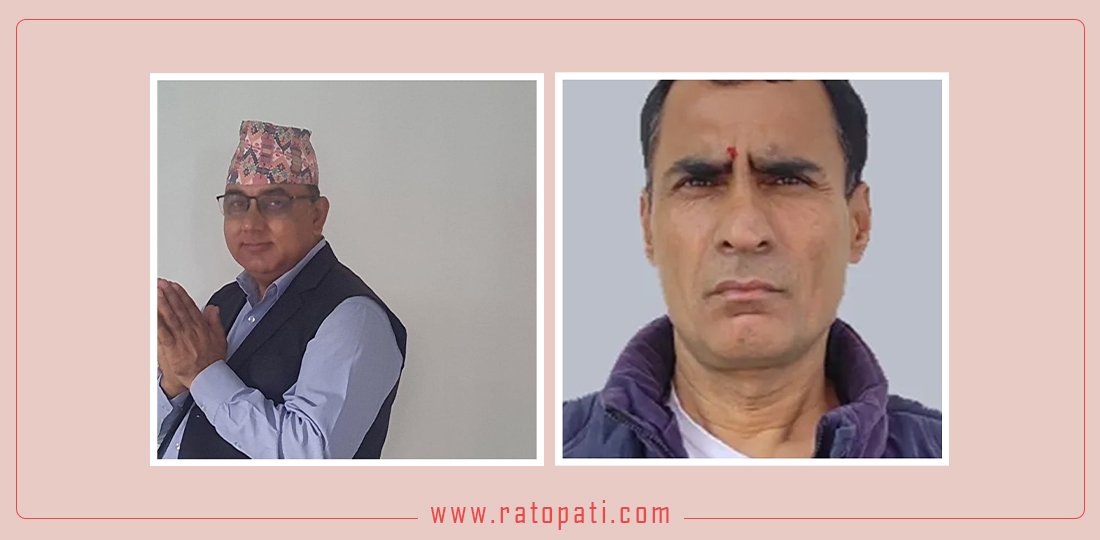
Guru Baral, a member of the House of Representatives and Vice-Chairman of the CPN (UML), describes the 'National Commitment' draft as a routine matter.

'This is a normal and ongoing practice. The current government is just getting more attention by performing stunts,' Baral told Ratopati. 'The issues raised by the opposition and the ruling party are generally similar.'
Leader Baral stated that the government should be able to fulfill the tasks set for its first 100 days, noting that there has been a long-standing practice of everyone listening to each other's ideas.
'Regarding nation-building, the Maoists were forced to follow the 'Prosperous Nepal, Happy Nepali' agenda put forward by the UML, and today the RSP is forced to follow it,' Baral said. 'The Congress is also talking about strengthening democracy and building a prosperous Nepal. During elections, parties have their own agendas, but once in power, the government belongs to everyone, and it is mandatory to listen to all.'
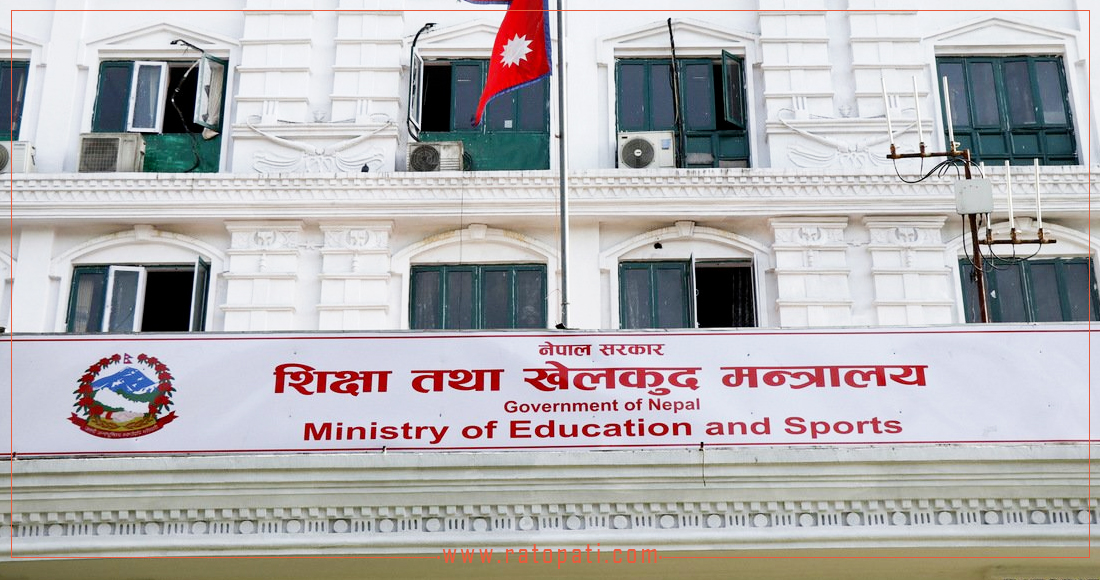
The commitment even mentions making education up to the secondary level accessible and free. This is not a new issue, as previous governments had already decided on this and it is, in a sense, already being implemented.
Programs such as farmer credit cards, contribution-based farmer pensions, and land consolidation for barren land in the agricultural sector, as well as doubling the average tourist expenditure within five years by improving the tourism sector, have also been included in the policy and programs of previous governments.
In the energy sector, the government has included ambitious programs such as prioritizing large reservoir-based projects like Budhigandaki and Dudhkoshi, with a target of producing 30,000 megawatts of electricity in the coming decade.
Nepali Congress General Secretary Pradip Paudel also states that the national commitment released by the government does not contain issues that have never been discussed or written about before.

'Some of the commitments that have come now are from the past,' Paudel told Ratopati. 'The important question is how this government will solve the problem of making commitments that are never implemented.'
He also stated that they would not oppose the issues brought forward by the government.
'There is no reason to oppose the issues brought forward. National issues and points from our party's election manifesto are also included,' said General Secretary Paudel. 'Overall, there is no need to disagree with the issues in the national commitment. Instead, one has to be skeptical about how the commitments will be implemented.'
Nepal Communist Party leader Yubaraj Dulal says that the government's move to create a program by consolidating the manifestos of all parties should be taken positively.
'This is a good thing. But there are various things within it. For example, there might be talk of keeping the monarchy,' said Dulal. 'The government has called the East-West Highway the 'Mahendra Highway'.' He stated that due to such issues and terminology, it is not possible to agree with all the contents of the commitment paper.
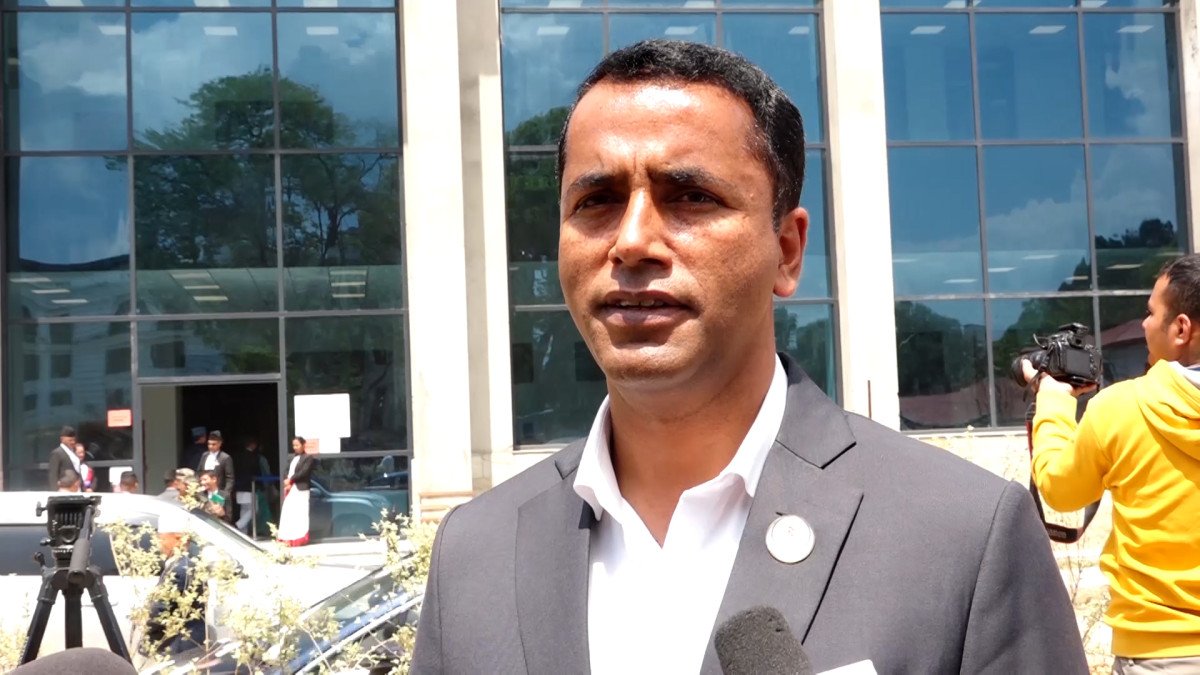
'We are positive about including everyone's views, but we will express our opinions on what should be included,' said Dulal. 'We will agree with agendas that support the federal democratic republic and the constitution, but we cannot agree with issues that go against the spirit and sentiment of the constitution.'
The RPP, which has been advocating for a constitutional monarchy, stated that while the proposals for good governance are acceptable, the lack of commitment toward constitutional amendment makes it impossible to envision true good governance.
RPP parliamentary party leader Gyanendra Shahi says, 'We welcome the commitment the government has made to do new work in favor of good governance.' Shahi stated that since the issues they have been raising regarding the system or constitutional amendment are not included, good governance cannot be achieved regardless of the rhetoric.

'We do not find our agenda for constitutional amendment included anywhere in the commitment,' said Shahi. 'Our main issue right now is changing the system through constitutional amendment alongside good governance.'
Shahi stated that the RPP's position is that the provincial structure is unnecessary, and regardless of talk about good governance, the country cannot afford it, so the abolition of provinces should be a priority.
Former Foreign Minister and UML leader Pradip Gyawali has objected to the government referring to Nepal's geopolitical position as a 'buffer state'. Leader Gyawali objected to the language and intent of the new government, stating that the geopolitical position has never been called a 'buffer state'.
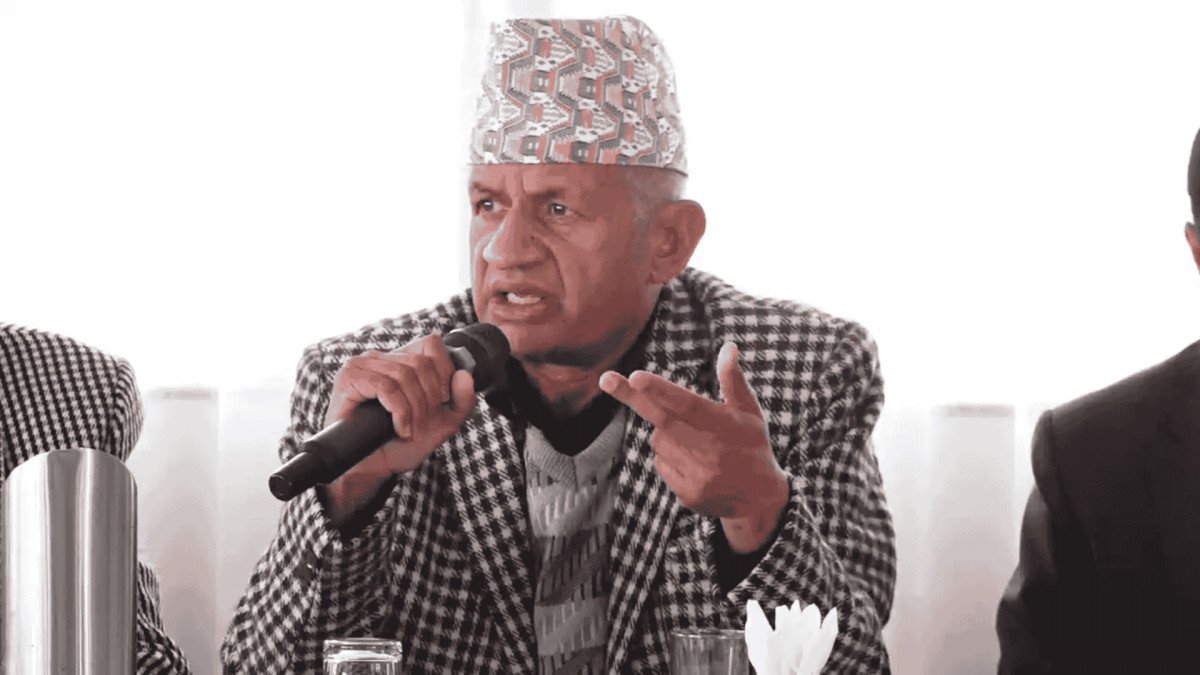
'In point no. 14 of the 'National Commitment' recently prepared by the government, under the heading 'International Diplomacy and Foreign Relations', it is mentioned to 'transform Nepal from a buffer state into a vibrant bridge' and to 'adopt a policy of equal distance and equal proximity with everyone',' Gyawali wrote on social media on Wednesday. 'Every word used in international politics and diplomacy has a special meaning. Nepal has never called its geopolitical position a buffer state, and neighboring friendly nations have not used such terms either.'
This specific news has been automatically translated by AI. As a result, there may be some inaccuracies or language errors.