Calls Mount for Full Resumption of Operations at Hetauda Cement Industry

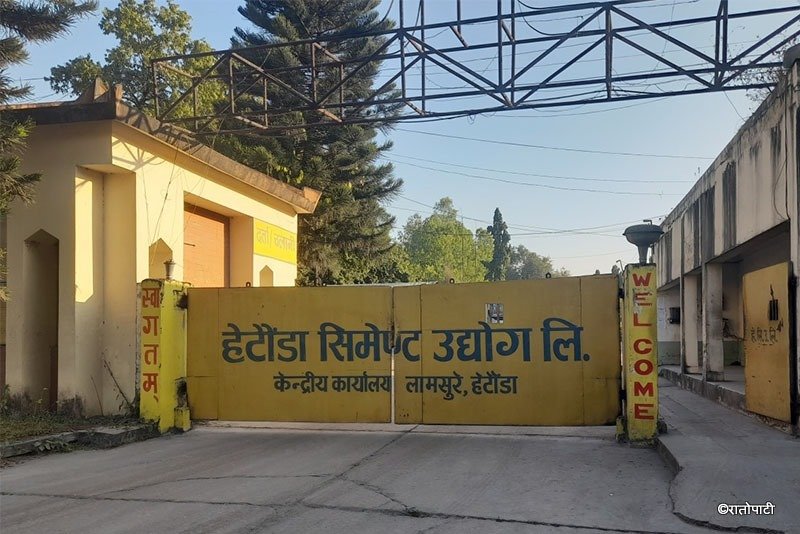
Hetauda. Demands have been raised for the regular operation of the Hetauda Cement Industry, which has been grappling with a severe financial crisis.
Following the government's announcement to revive sick industries, there is renewed pressure to ensure the Hetauda plant operates at full capacity, ending its cycle of frequent closures and intermittent production.
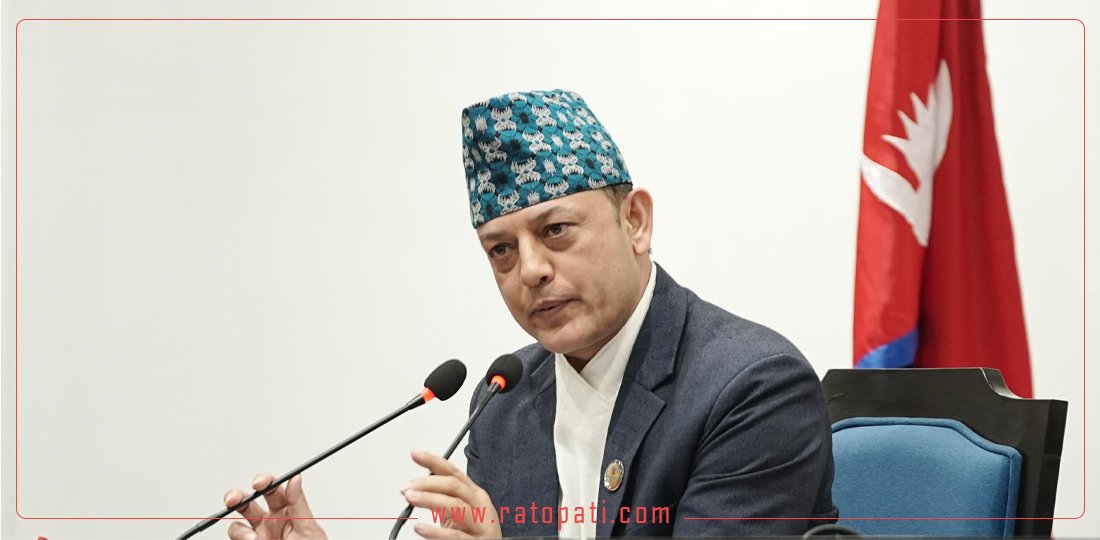
Lawmaker Prakash Gautam has prioritized the revitalization of the cement plant, stating that he is actively coordinating with federal and Bagmati provincial government officials to resolve the industry's underlying issues.
“I have discussed the matter of resuming regular operations with the Prime Minister and the Minister of Industry,” said Gautam. “I also held discussions with the Chief Minister of Bagmati Province a few days ago, and they have provided positive assurances. I have also interacted with the industry's employees and received constructive suggestions.”
“There is potential to run the industry. The plant's decline seems less about market forces and more about its status as a state-owned entity, which has been treated as a service-oriented body focused primarily on salary distribution,” he added. “If we can curb political interference and internal corruption, and appoint a new management team, the industry can be revived.” He expressed confidence that his efforts would soon yield positive results.
According to the industry administration, in the current fiscal year 2082/83, the plant operated for only five days, from Bhadra 19 to 24. Acting General Manager Dr. Shivanarayan Sah reported that 2,500 tons of clinker and approximately 30,000 sacks of cement were produced during that period.
Although the industry resumed the clinker production process on Chaitra 13, it has stalled again due to a lack of raw materials. Despite a tender being called for coal procurement last month, the inability to clear outstanding dues has prevented the supply of coal, leading to expectations that the plant will shut down again within a day or two, according to Dr. Sah.
“We are currently producing clinker from existing raw material stocks, which is then processed into cement for packaging,” said Acting General Manager Sah. “Production will come to a complete halt in a day or two, yet fixed costs remain. Even when production stops, we must pay staff salaries, along with fuel and routine maintenance expenses,” he noted, adding that this is exacerbating the industry's financial woes.
“For daily operations, we require at least 120 tons of coal,” he explained. “However, we lack the supply, and with old coal payments still pending, there is no immediate prospect of new shipments.” Furthermore, financial constraints have prevented the payment of overtime wages to staff.
The industry employs 318 personnel, including 166 permanent staff, 100 daily wage workers, and 52 security guards. Due to financial difficulties, the plant has also failed to pay electricity bills to the Nepal Electricity Authority for a long period. “We have consumed electricity but have been unable to pay the bills,” he said. “While I cannot state the exact figure, the outstanding dues are likely around 300 to 400 million rupees.” Consequently, he noted that they are in no position to request a stable power supply from the authority.
Established in 2033 BS in Lamsure, Hetauda, the industry began cement production in 2043 BS. Technicians state that the equipment is now outdated and no longer in a condition to maintain efficient production.
This specific news has been automatically translated by AI. As a result, there may be some inaccuracies or language errors.