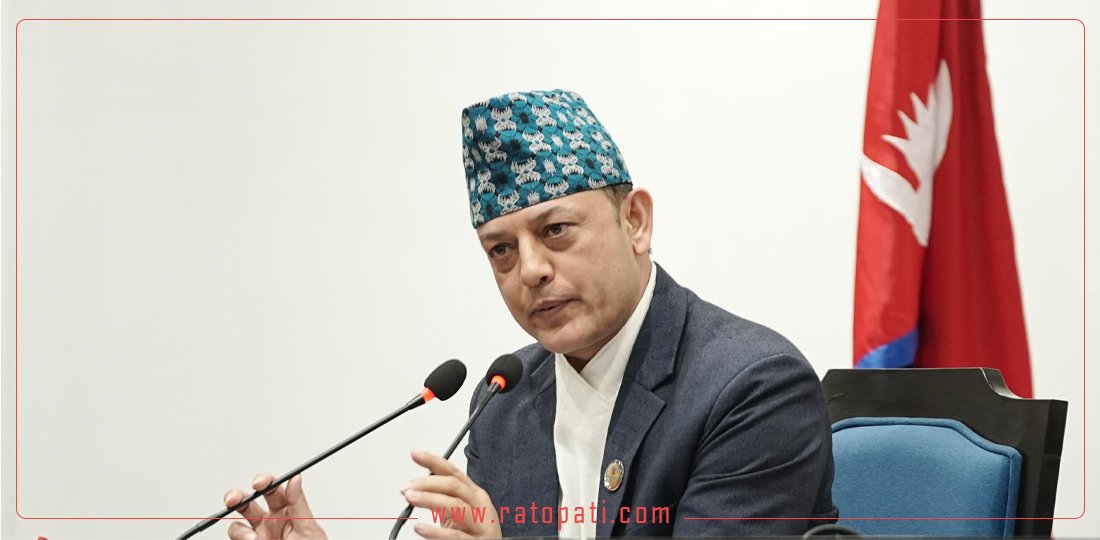
Interview: Former JSP Nepal General Secretary Ramkumar Sharma on the party's electoral collapse


Kathmandu. Madhes-based parties, which have long influenced national politics by championing the agenda of Madhesi rights and identity, were wiped out in the Madhes region during this election. They failed to win a single seat out of the 32 direct seats in the House of Representatives from Madhes Province. With their failure to cross the threshold in the proportional representation system, their presence in the House of Representatives has become zero.
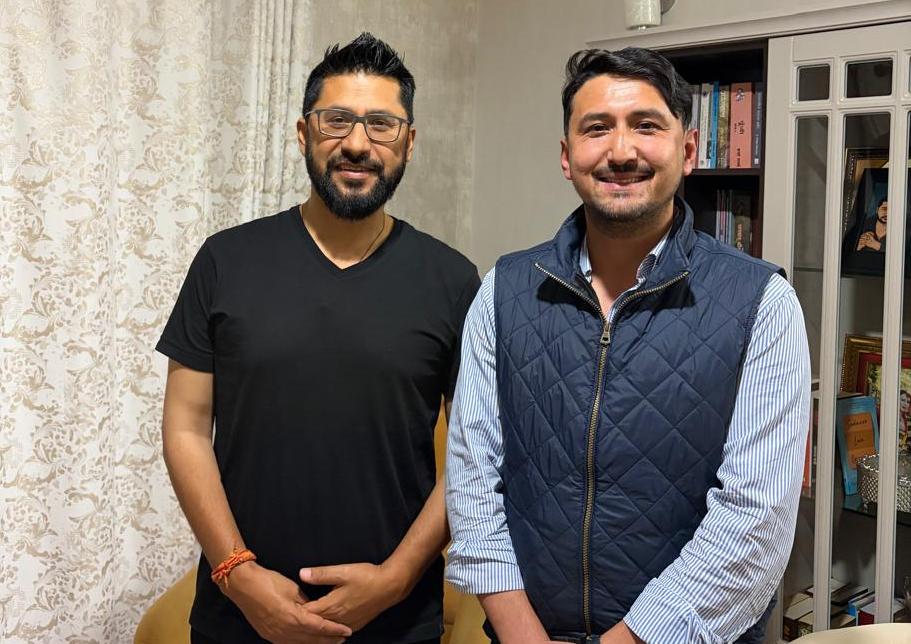
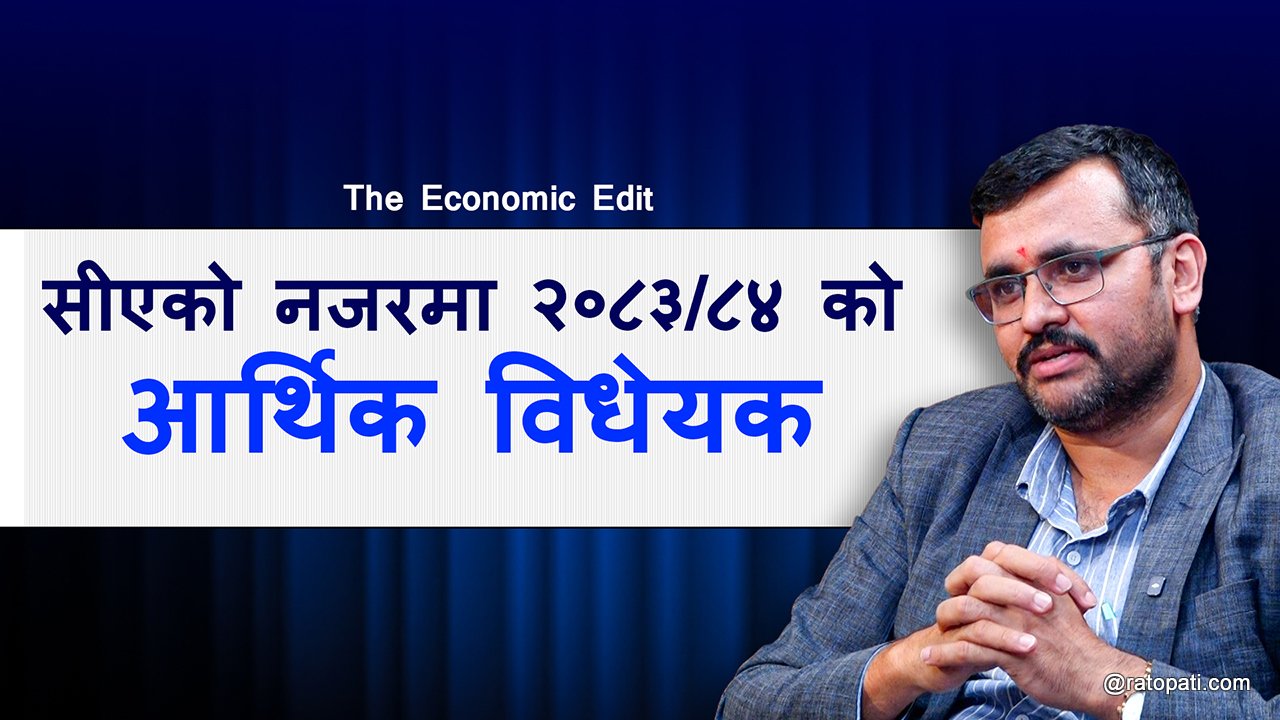
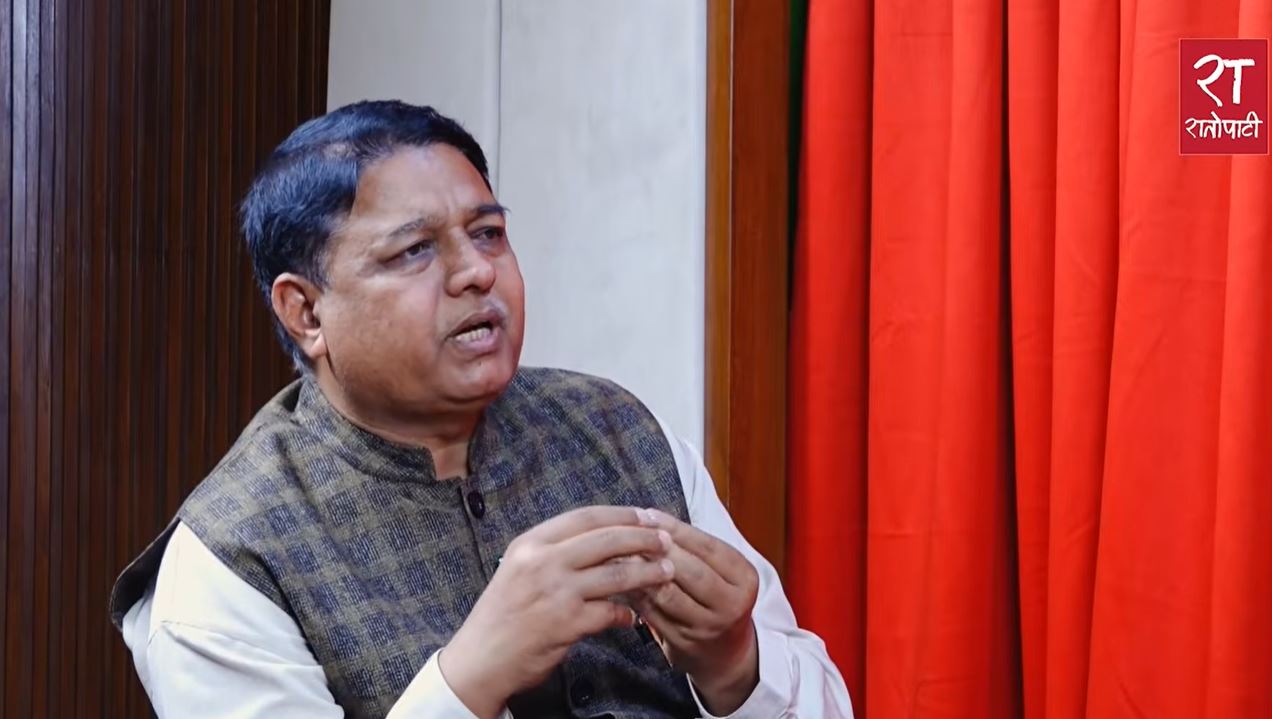
Leaders of Madhes-based parties have their own arguments for being decimated in the election. However, some leaders do not agree with them. How did the defeat happen? Has the relevance of Madhesi parties ended? What will these parties do now? Is there any possibility of a revival? These issues were discussed with Ramkumar Sharma, the outgoing General Secretary of the Janata Samajbadi Party, in Ratopati's 'Warpar'. Presented here is an edited excerpt of the interview (the full version can be watched/heard in the video):
You go to whichever party, that party turns to ash. Is that the case?
Your point has some truth. But taking the country from a unitary system to federalism, partially resolving the issue of identity, partially resolving the issue of inclusion, ensuring the representation of Dalits, Janajatis, and minority communities, and ensuring 33 percent representation of women in all state bodies is not nothing.
Rather than saying the party became weak, we went where we struggled; the work of changing this country, even if partially, was done by the Maoist People's War, the Madhesi Jana Adhikar Forum, the United Democratic Madhesi Front, or the Madhes-based parties.
How did the Madhes-based parties, which have been doing some work, drop to zero seats in this election?
We could not live up to the expectations that the people of Terai-Madhes or the oppressed regions and classes had of us. Our party could not live up to them. The people did not just reject our party; they pushed a party like the UML to single digits in the direct category. You have already seen the state of the Congress.
We will ask others about their parties. How were the Madhes-based parties wiped out in Madhes itself?
The people viewed the Madhes-based parties with the same lens as they viewed the Congress and Communists. The Janata Samajbadi Party Nepal government was in power in Madhes for seven years. But the mindset that 'if Congress and Communists loot the country, why shouldn't the Madhesi party loot it?' took root. They could not provide a sense of good governance in seven years. There is huge public anger.
Did the Balen factor also play a role in Madhes?
There was a desire, a dream, and an aspiration among the general public that someone of Madhesi origin should also become Prime Minister. That is also why Madhes turned completely.
Has the relevance of Madhes-based parties ended now?
In the current situation, the relevance has ended.
Even when the party loses the election like this, no leader is heard to have shown morality and resigned from their post?
After the people have rejected us, there is no need for much debate. In a democracy, as a matter of minimum morality, they should have resigned and cleared the way.
There is talk of restructuring in parties like Congress and UML. Is there no room for that in the Madhes-based parties?
The party should be handed over to colleagues aged 35 to 50. The current chairmen should resign. If they insist on staying, the people have already left them, and I see the cadres leaving in four to six months. After that, if only the leaders remain, like a monastery deteriorating after the monks leave, what happens? Then the parties will head towards dissolution and disintegration.
Some say that the burden has become too heavy for Balen, and wonder if he will be able to carry it. What is your opinion on this?
The RSP has become a huge party and has received massive support; I see it as a challenge to keep it united. Another challenge is to balance the geopolitics. Third, there is a huge expectation from the people; whether he can fulfill that or not? There is also a danger of bringing a major crisis to Nepal's sovereignty. Fourth, how will he take action against corruption, which is an epidemic in the country?
It is said that the morning shows the day. Has the government been moving on that path in these 15 days?
The government has worked a bit faster than people expected. I see the government's actions as organized.
How can we interpret what UML parliamentary party leader Ram Bahadur Thapa 'Badal' said in Parliament?
There should be an investigation into this. Because if the army itself is a foreign agent in this way, then the state must start taking action.
Should there be an investigation into Badal?
Badal called the Nepal Army a pawn of foreigners, a broker, and operated by foreigners. This has also put nationalism in crisis. It has put the country's sovereignty in crisis. The Nepal Army is the main backbone of the state. If the army itself is a broker of foreigners, a pawn, and works according to foreigners, then where does the country stand?
Video/Photo: Manoj Khadka/Ratopati
This specific news has been automatically translated by AI. As a result, there may be some inaccuracies or language errors.