Karnali Province Lawmakers Pledge Collective Action for Regional Development
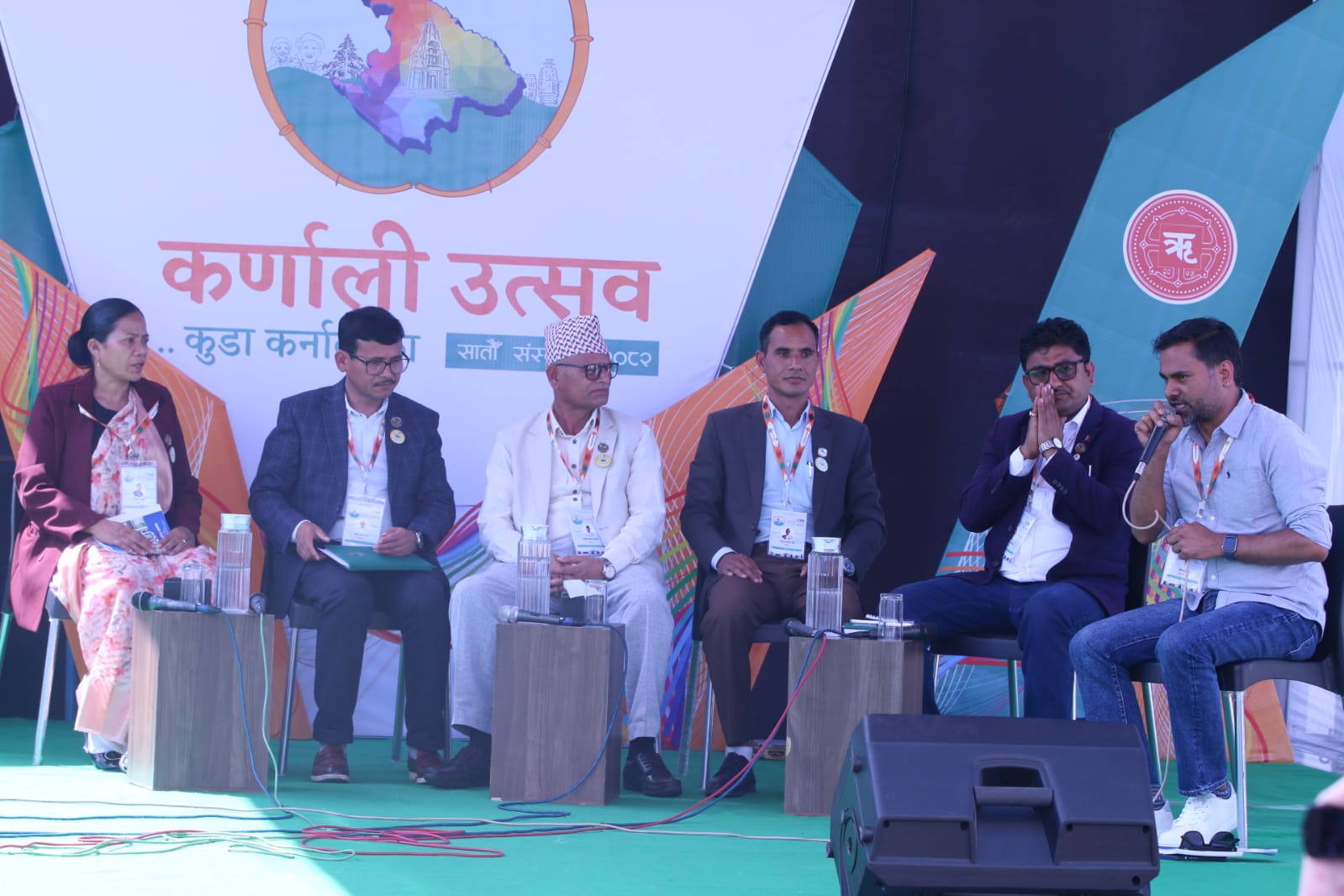
Surkhet. Lawmakers representing Karnali Province in the House of Representatives have made a collective commitment to bring the marginalized Karnali region into the mainstream of development. They argue that since 'there is no national prosperity without the prosperity of Karnali,' the state must take the lead, and they are prepared to struggle collectively to achieve this.
During the 'Karnali Utsav' program, which began on Saturday, they discussed the theme 'Suina Karnali,' where they emphasized correcting past mistakes and working together for the region's development.
They concluded that the overall development of Karnali has not progressed as it should have.
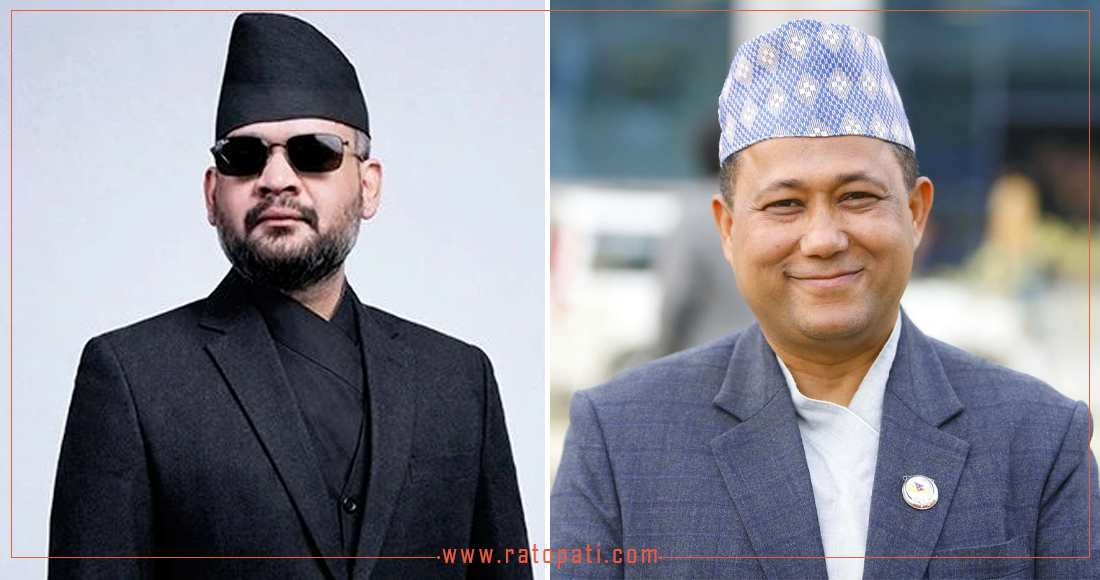
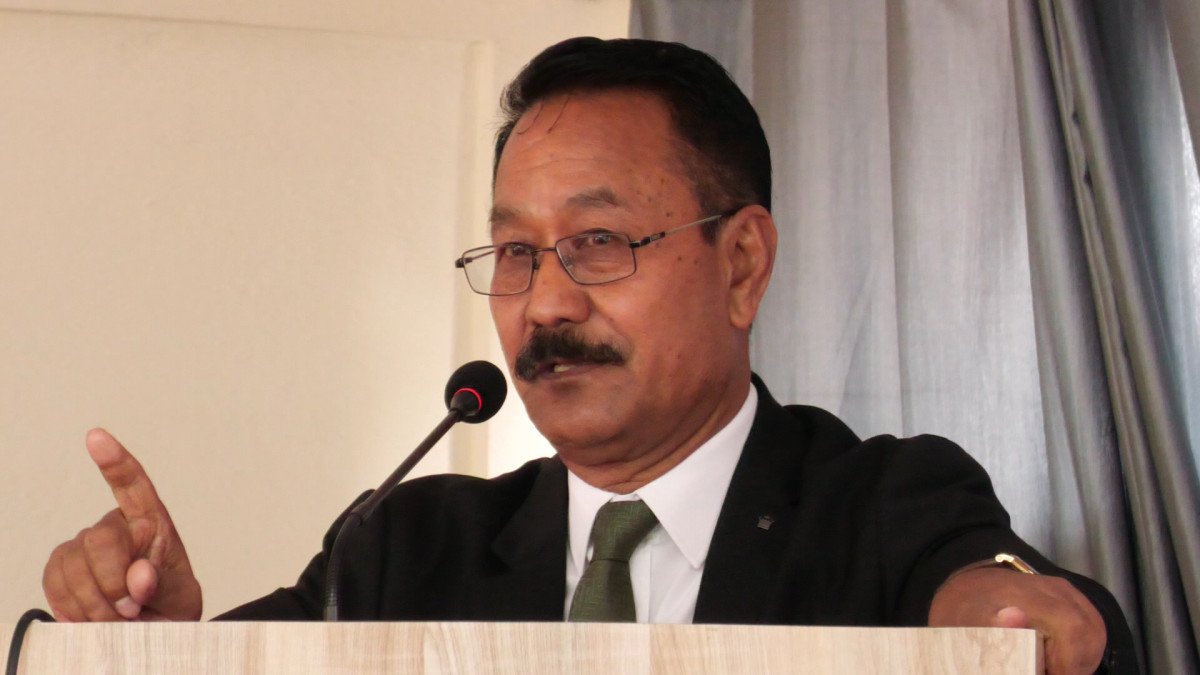
'Now there is a need for a shared commitment; regardless of which party we represent, we must make our issues common,' said Khadga Bahadur Budha, a member of the House of Representatives from Jajarkot. 'We no longer have the luxury of making mistakes.'
Like him, other lawmakers agreed to present a unified voice rather than a partisan one to lead Karnali into the development mainstream.
In their view, Karnali could see significant development if the state merely completes projects that were previously initiated or require upgrades. The proper development of the Bheri Corridor and Karnali Corridor, which connect the south to the north, is the foundation of a prosperous Karnali. Similarly, if large hydropower projects like Betan Karnali, Upper Karnali, Phukot Karnali, and Nalgad are realized, Karnali will become economically strong and create jobs.
'Although Karnali is a mine of potential, it is forced to beg while holding a golden plate,' said MP Budha. 'Karnali is a hub for hydro; we must take collective initiatives to complete these projects.'
Budha stated that his primary role would be to highlight the potential of medicinal herbs and take initiatives for their marketing and industrialization.
He noted that while there have been some changes in roads and school buildings from the provincial capital Surkhet to other districts, the expected level of progress has not been achieved.
Ramesh Kumar Sapkota, an MP from the Rastriya Swatantra Party (RSP) elected from Surkhet-2, said he would fulfill his role with the dream of changing the overall picture of Karnali rather than focusing solely on his constituency.
Regarding the entire Karnali Province, he pledged to play a role in ensuring the full implementation of currently stalled projects. 'The current government is thinking and working beyond what we have seen and dreamed of; even Prime Minister Balen Shah has said this upon visiting Karnali. We will push the government to fulfill those promises. This is everyone's sentiment,' he said.
Laxmi Prasad Pokharel, a CPN-UML MP elected from Dailekh, said he would play a role in the Federal Parliament to change the narrative that while Karnali's civilization is Nepal's civilization, the region remains impoverished.
In his understanding, when analyzing the Kailash, Jwala, and Sinja civilizations together, one sees the Karnali civilization and, by extension, the Nepali civilization. Karnali gave this country its language. Therefore, Karnali is historically grand. He believes a struggle is now needed for economic and cultural transformation.
He stated that completing the plan to extract petroleum products in Dailekh would contribute to the economic prosperity of not just Karnali, but the entire country.
'I will push the government on this matter,' said MP Pokharel. Claiming that he has consistently raised issues regarding the Karnali Highway and other strategic roads in the past, he argued that the narrative that nothing has been done in infrastructure development is false.
Similarly, Ramesh Kumar Malla, an MP from the Nepal Communist Party (NCP) elected from Salyan, said he stands in parliament with the dream of changing Karnali.
'We have contributed a lot to the change of the system in the past,' he said, 'but corruption and mismanagement have increased in the very system we brought. Now we have the responsibility to minimize that. We have dreamed of changing Karnali, and the people here have sent us for that very purpose. One-third of the population here is below the poverty line, and we are behind in other statistics as well. Therefore, we have to work on all agendas for the overall transformation of Karnali.'
Radhika Ramtel, an MP from the Shram Sanskriti Party, said that much work remains to be done in health and education in Karnali. She stated that good policies are necessary for this, and she would play a decisive role in policy-making. She said, 'Equal health treatment and equal education are the needs of today. Additionally, we must work in the areas of social justice and employment.'
- 'The center must increase the budget for Karnali'
Former Finance Minister of Karnali Province, Bindaman Bista, stated that there is no national prosperity without the prosperity of the entire Karnali region. He believes the state must increase the budget allocated to Karnali.
Speaking at the 'From Power Sharing to Development' session, he said, 'Karnali should not be viewed in comparison to provinces with strong internal resources. Therefore, the budget for this less developed province with difficult geography must be increased.'
He also mentioned that there are problems in implementing the budget because the central government has not even drafted some of the necessary laws for the province.
'It will not be enough to just provide a budget; policy reforms must also be made to resolve the complexities of its easy implementation,' he added.
According to him, not all provinces are equally capable under the definition of federalism. Weaker provinces must be uplifted through special grants.
'Karnali cannot be compared to provinces that collect billions in revenue,' he says. 'Special grants have been arranged to bring backward provinces and local levels forward. The center should distribute special grants accordingly.'
He also claims that the province's capacity will only increase if the center builds projects that can generate benefits and hands them over to the provincial government.
Secretary of the Central Ministry of Finance, Dr. Ghanshyam Upadhyay, said that resources are not the problem in themselves.
However, he noted that where those resources are mobilized is a crucial issue.
Therefore, he said that the provincial structure must also be strengthened for the prosperity of Karnali.
He stated that the central government has been managing financial resources for Karnali in accordance with the provisions of the constitution.
This specific news has been automatically translated by AI. As a result, there may be some inaccuracies or language errors.