Kathmandu Metropolitan City Initiates Strategy to Eliminate Street-Dependent Individuals


Kathmandu. The Kathmandu Metropolitan City has held a joint discussion with officials from organizations working in the fields of gender and sexual minorities, disability, and rehabilitation to implement a program aimed at making the city free of street-dependent individuals.
Individuals with disabilities, those struggling with substance abuse, and gender and sexual minorities are frequently found seeking assistance on streets, intersections, and public spaces. Visually impaired individuals are often seen singing in overhead bridges, parks, and various intersections to solicit help. The primary focus of the discussion was to integrate these individuals from street life into family and social rehabilitation and the employment sector.
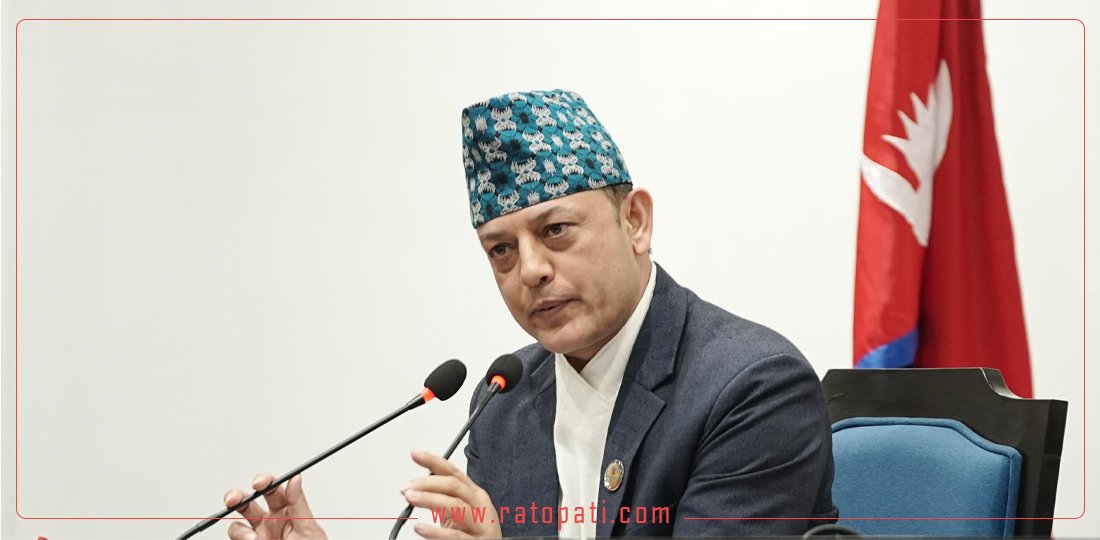
‘We aim to make Kathmandu a street-human-free city by fully adhering to humanitarian conditions and obligations,’ said Acting Mayor Sunita Dangol during the discussion. ‘It is the government's duty to fulfill the basic needs of those who have no one. We will take responsibility for them. However, we must stop the trend of people begging when they have the capacity to work, or appearing destitute on the streets despite having families. We must act to prevent this.’
Acting Mayor Dangol stated that the management of street-dependent individuals will be conducted in a human rights-friendly and participatory manner. Following integrated rescue efforts, individuals will be categorized based on their specific conditions—such as disability, gender and sexual minority status, or substance abuse—to ensure dignified management.
‘Short-term shelter, psychosocial counseling, and health check-ups are the processes to be adopted during rescue,’ she said. ‘Once the status and needs of the rescued individuals are identified, we will implement programs based on collaboration, coordination, and participation. This includes family and social reintegration, skill development training for employment and self-employment, and legal and policy arrangements for concessional loans for those wishing to become self-employed.’
Participants in the discussion shared experiences regarding how gender and sexual minorities are forced to rely on the streets after being excluded by their families and society. They noted that they are often forced to beg because they are not accepted in professional and employment sectors due to their identity, lack of social security, and issues regarding dignity and self-respect.
The discussion also addressed the situation of visually impaired individuals who are forced to sing in streets, public transport, and market areas, emphasizing the need to create employment and self-employment opportunities for them. It was pointed out that since many street-dependent youth suffer from drug addiction, there is a need to work on behavioral and character improvement by placing them in rehabilitation centers before reuniting them with their families.
The discussion also raised the issues of collaborating with rights-based organizations and creating a joint model for rehabilitation and empowerment programs.
This specific news has been automatically translated by AI. As a result, there may be some inaccuracies or language errors.