Trade tensions escalate between Colombia and Ecuador as tariffs reach 100 percent
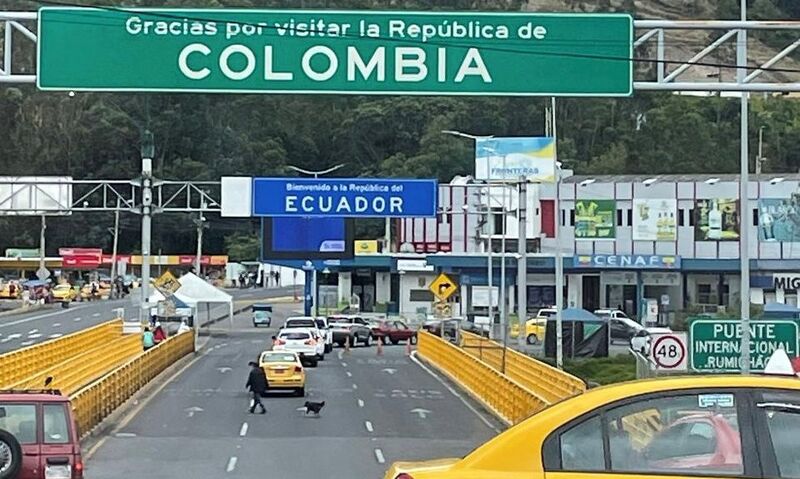
Trade tensions between South American neighbors Colombia and Ecuador have intensified. A day after Ecuador increased tariffs on Colombian goods, Colombia announced a retaliatory decision to impose customs duties of up to 100 percent on imports from Ecuador.
According to Colombia's Ministry of Commerce, this move is a direct response to Ecuador's decision. On Thursday, Ecuador raised the tariff on Colombian goods from 50 percent to 100 percent. In response, Colombia has implemented a reciprocal duty.
The two countries have been embroiled in a trade dispute for several months. Ecuadorian President Daniel Noboa has accused Colombian President Gustavo Petro of failing to control drug trafficking and illegal mining along their shared border, further straining relations.
Beyond tariff hikes, diplomatic relations have also been affected. Following Ecuador's decision, Colombia recalled its ambassador to Bogota. Since the beginning of the year, Ecuador has been incrementally increasing customs duties, and Colombia has responded with reciprocal measures, with rates climbing from 30 percent to 100 percent.
However, Colombia has signaled potential relief for certain sectors. President Petro mentioned that a 'zero percent tariff' would be applied to some raw materials essential for industrial production, which could provide relief to domestic industries.
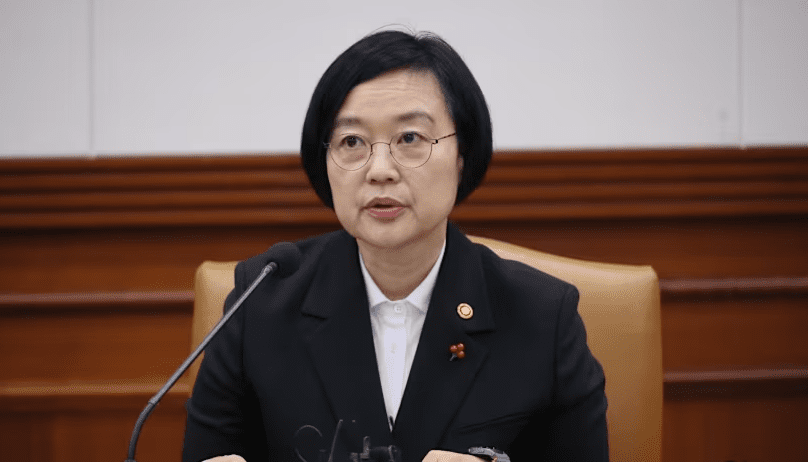
Colombian Minister of Commerce Diana Morales indicated that the situation is becoming critical, noting that diplomatic efforts between the two nations have nearly collapsed. Tensions spiked further this week after Petro referred to former Ecuadorian Vice President Jorge Glas as a 'political prisoner'.
Glas served in various governments from 2013 to 2018 and was sentenced to 13 years in prison last year on corruption charges. He has claimed to be subjected to inhumane treatment in prison.
The tension has escalated to the point where Colombia has raised the possibility of withdrawing from the Andean Community of Nations (CAN), a regional organization that includes Peru, Bolivia, and Ecuador. However, CAN announced it would host a diplomatic meeting on Friday in an attempt to facilitate dialogue between the two countries.
Economically, both nations are interdependent. Colombia primarily exports electricity, pharmaceuticals, vehicles, cosmetics, and plastics to Ecuador, while importing vegetable oils, canned tuna, minerals, and metals.
Another complex aspect of the region is drug trafficking. Approximately 70 percent of the cocaine produced in Colombia and Peru is trafficked through Ecuador via Pacific ports, turning the country into a hub for criminal activity.
Once considered peaceful, Ecuador is now affected by conflicts between criminal groups, leading to a significant increase in violence and homicides. In this context, the combination of a trade war and security challenges has placed additional pressure on regional stability.
This specific news has been automatically translated by AI. As a result, there may be some inaccuracies or language errors.