Nepal's Fuel Price Paradox: Tax Cuts Offset by Sharp Hikes

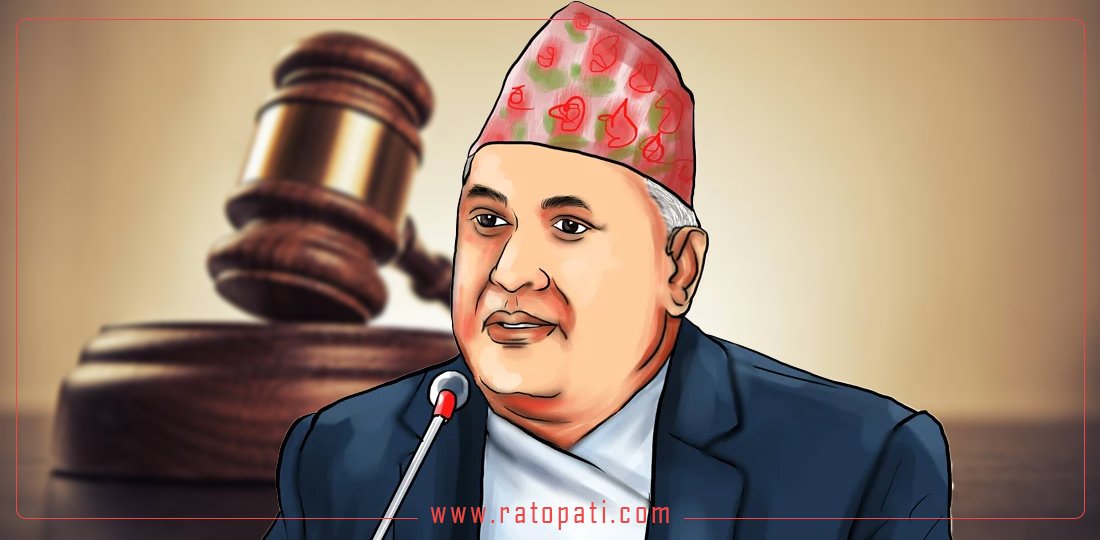
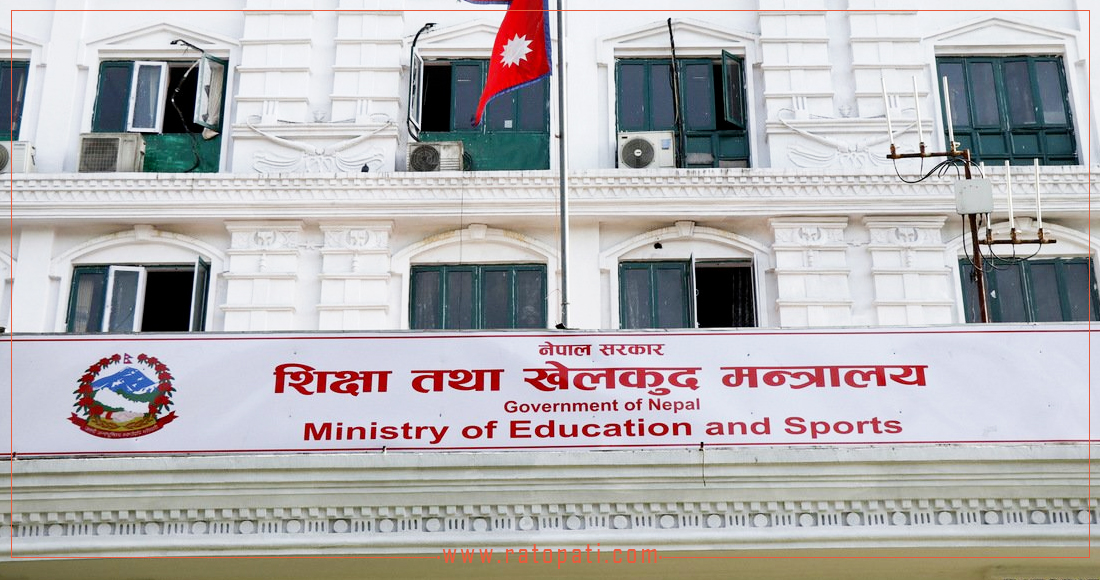
Kathmandu. The Cabinet meeting held on Tuesday decided to provide a 50 percent exemption on customs duties and infrastructure taxes levied on petrol and diesel. Amid demands for relief for the public as global petroleum prices rise, this government move was initially praised by the general public.
However, the public did not feel the relief. The day after the decision to reduce prices, public transport fares increased by 16.71 percent. Similarly, freight charges for cargo vehicles were increased by 21.68 percent in hilly regions and 15.75 percent in the Terai.
That was not all. The following day, Thursday, the government implemented a massive hike in petroleum prices. Petrol prices rose by 17 rupees, while diesel and kerosene increased by 25 rupees per liter. Since this government took office, petrol and diesel prices have increased by approximately 47 rupees and 55 rupees, respectively.
The Paradox of Tax Cuts and Price Hikes
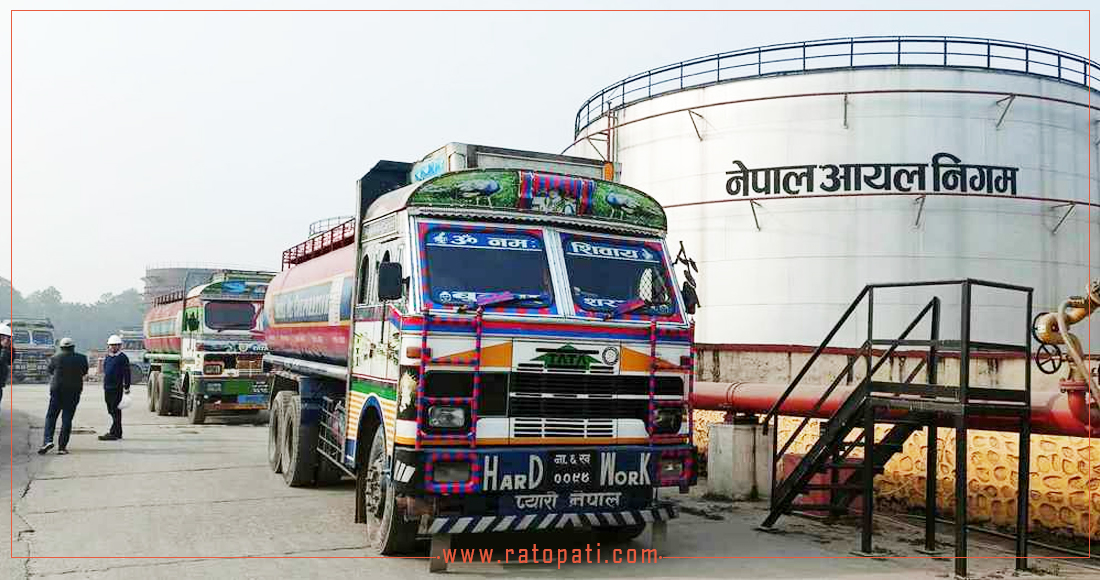
While tax cuts should lead to lower prices, the Nepal Oil Corporation's (NOC) decision to raise prices creates a contradiction. Why did this happen? NOC Executive Director Chandika Bhatta explains that while the government's tax cuts reduced the corporation's losses, the NOC remains in a deficit, necessitating the price hike.
In its press release, the NOC provided a detailed explanation, including the purchase price from the Indian Oil Corporation, all applicable taxes, commissions, and the projected fortnightly loss.
According to the NOC, the government previously collected 66.98 rupees in tax per liter of petrol. This has now dropped to 49.28 rupees, representing a tax relief of 17.70 rupees per liter.
_VOna3AI52Z.jpg)
Similarly, the tax on diesel was reduced from 49.28 rupees to 28.28 rupees, a reduction of 21 rupees. For kerosene, the tax was reduced from 34.78 rupees to 28.78 rupees, a relief of 7 rupees.
The NOC estimates that every 15 days, Nepal consumes 33,108 kiloliters of petrol, 82,277 kiloliters of diesel, and 865 kiloliters of kerosene. Based on this, the government's decision will result in approximately 2.99 billion rupees in tax relief every 15 days.
Previously, the NOC reported a fortnightly loss of 13.21 billion rupees. After the government's tax cuts, this was projected to be 10.21 billion rupees. Following the latest price adjustment, the NOC projects the loss will drop to 7.81 billion rupees. It appears the government's tax relief has contributed more to reducing the NOC's losses than the recent price hikes.
What is the Current Loss?
According to the NOC, after this price hike, there is a profit of 0.35 rupees per liter on petrol. However, there is a loss of 84.5 rupees per liter on diesel, 33.03 rupees on kerosene, 5.75 rupees on aviation fuel, and 416.37 rupees per cylinder of LPG.
The NOC stated there is a profit of 6.92 rupees on international aviation fuel. Essentially, regardless of how much petrol or international aviation fuel is sold, the government or the NOC does not face losses on these items. However, losses persist on other products, leading the NOC to urge consumers to reduce consumption.
What Could the Government Have Done?
Although the government cited losses to justify the price hike, petroleum in Nepal remains more expensive compared to India. In the neighboring state of Bihar, the price of petrol is 106.94 Indian rupees, which is 171.10 Nepali rupees. Diesel is priced at 93.20 Indian rupees, equivalent to 149.12 Nepali rupees. Prices in Nepal remain 48 and 58 rupees higher, respectively.
Nevertheless, state-owned Indian petroleum companies are also incurring losses. According to a recent Economic Times report, institutions like the Indian Oil Corporation are facing losses of 21 Indian rupees on petrol and 28 Indian rupees on diesel.
What Could the Government Have Done in This Situation?
Former NOC Executive Director Sushil Bhattarai suggests that while the government could have provided relief by sourcing petroleum through alternative channels, it failed to do so due to past inaction.
Just as India exports petroleum to Nepal, China also sells to various countries including Singapore, Malaysia, Vietnam, the Philippines, and Australia. Despite current shortages, China is selling petrol to Singapore at 0.88 to 0.91 dollars per liter, which is 133 to 137 Nepali rupees. Meanwhile, the government is currently paying India around 250 rupees per liter.
_M19DawspJA.jpg)
During the 2072 blockade by India, an agreement was reached to import 30 percent of Nepal's required petroleum from China. However, after the blockade ended, this initiative faded. The agreement was not pursued, citing high costs and poor road infrastructure. Bhattarai believes that if this had been implemented, Nepal could have accessed cheaper petroleum from China today.
According to him, the rise in petroleum prices is not just due to disruptions in the Strait of Hormuz, but also due to refinery constraints. India does not have sufficient refining capacity and must import from abroad, causing prices to rise rapidly.
On the other hand, because China has large petroleum stocks and significant refining capacity, the price increase for petroleum exported by China has been lower than that of India. Bhattarai asserts that Nepal is paying a heavy price for the mistake of not advancing the agreement made 10 years ago.
This specific news has been automatically translated by AI. As a result, there may be some inaccuracies or language errors.