New Government Faces Challenge to Recover NPR 7.5 Billion in Electricity Arrears
Kathmandu. The new government is now tasked with the responsibility of recovering approximately NPR 7.5 billion in electricity arrears from industries that utilized dedicated and trunk lines during the load-shedding period.
Industries are yet to pay about NPR 7.5 billion for electricity consumed between Magh 2072 and Baisakh 2075, a period during which they agreed to pay an additional 65 percent premium fee. This dispute has remained unresolved for a long time.
No government formed since 2072 has been able to resolve this issue. However, former Energy Minister Kulman Ghising had compelled industrialists to pay the first installment.
Despite the payment of the first installment, the recovery process stalled after Ghising's departure. The responsibility for recovering these arrears now rests with the new government.
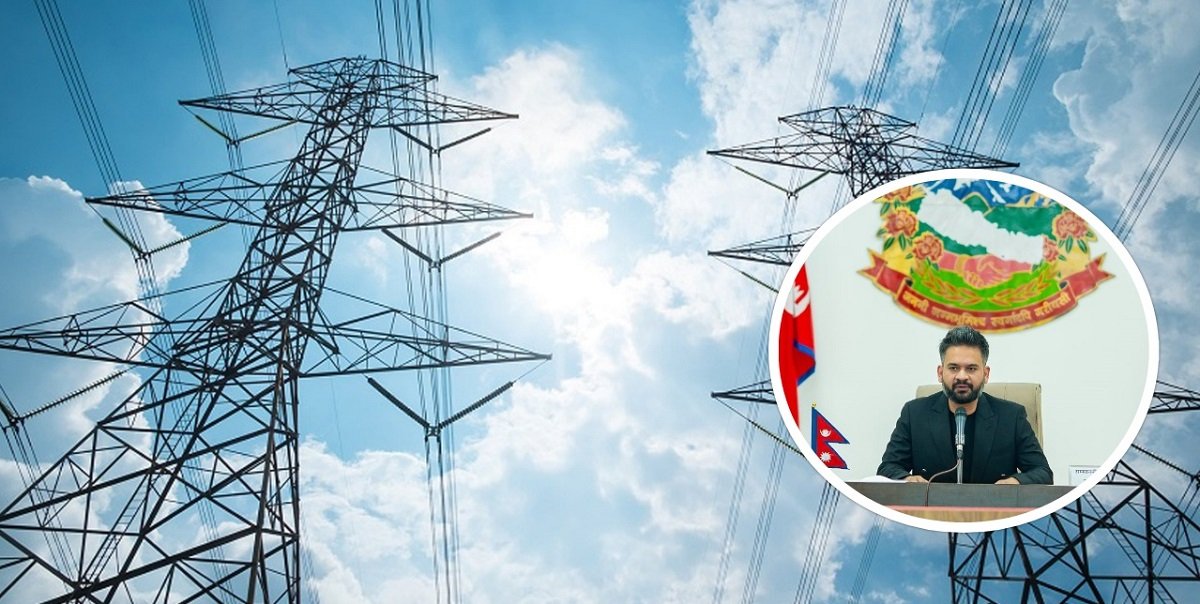
There has been no progress in the recovery of industrial electricity arrears over the last four months. Amidst this uncertainty, the responsibility to collect the dues has fallen on Prime Minister Balendra Shah.
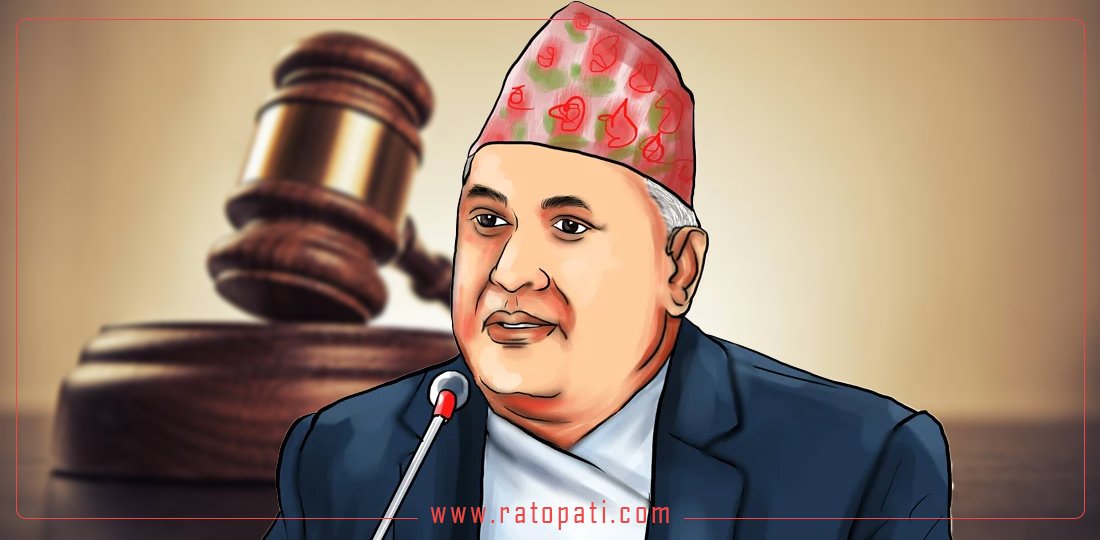
All eyes are on how the powerful government, formed with a new mandate, will handle this issue. The primary responsibility for recovery now lies with Energy Minister Birajbhakta Shrestha.
Industries consumed electricity during the difficult period of load-shedding from Magh 2072 to Baisakh 2075 under the condition of paying an additional 65 percent premium. However, due to political instability and policy ambiguity, no concrete progress has been made. Shrestha is now also the Chairman of the Nepal Electricity Authority (NEA) Board of Directors.
The dedicated and trunk line arrears dispute began in 2072. At that time, the country was suffering from extreme load-shedding. While ordinary citizens were forced to live in darkness for up to 18 hours, industries were on the verge of collapse.
In the past, Rastriya Swatantra Party (RSP) lawmakers had raised their voices in Parliament, demanding that the money owed to the state treasury must be collected at any cost. However, they have remained silent on this matter so far.
The Auditor General's report has also pointed out that this amount must be recovered. Various court orders and past Cabinet decisions have also supported the recovery of these arrears.
However, the recovery of these arrears is not a priority in the current government's 100-day agenda or its governance reform plan.
The dedicated and trunk line arrears dispute began in 2072. At that time, the country was suffering from extreme load-shedding. While ordinary citizens were forced to live in darkness for up to 18 hours, industries were on the verge of collapse.
During that time, the NEA made a special arrangement. Industries were provided with continuous electricity for 20 hours from trunk lines and 24 hours from dedicated feeders on the condition of paying an additional 65 percent premium fee.
More than 250 customers availed of this facility. The premium amount for electricity consumed by these industries between Magh 2072 and Baisakh 2075 has now reached NPR 7.5 billion. While many industrialists paid the first installment, they have been reluctant to pay the second.
However, the NEA has been repeatedly issuing notices. Furthermore, the path for review as requested by the business community has been opened. Some industrialists have even approached the Electricity Regulatory Commission for justice. The commission has already rejected the applications of some industries, clearing the way for the NEA to collect the arrears.
Political Instability and Policy Ambiguity
Over the past 10 years, government policy regarding the recovery of these arrears has been highly unstable. The issue took a new turn with every change in government. Some governments insisted on strict recovery, while others proposed relief or exemptions for industrialists.
Former Energy Minister Ghising had attempted to take strict action on this matter. However, the recovery process fell into uncertainty again after he left office.
With the formation of an RSP-led government, the leaders who were vocal critics of the government on this issue while in the opposition are now in a position to implement the policy themselves.
Some lawmakers are also demanding that the Balen government collect the arrears immediately. Demands for recovery are also being raised on social media.
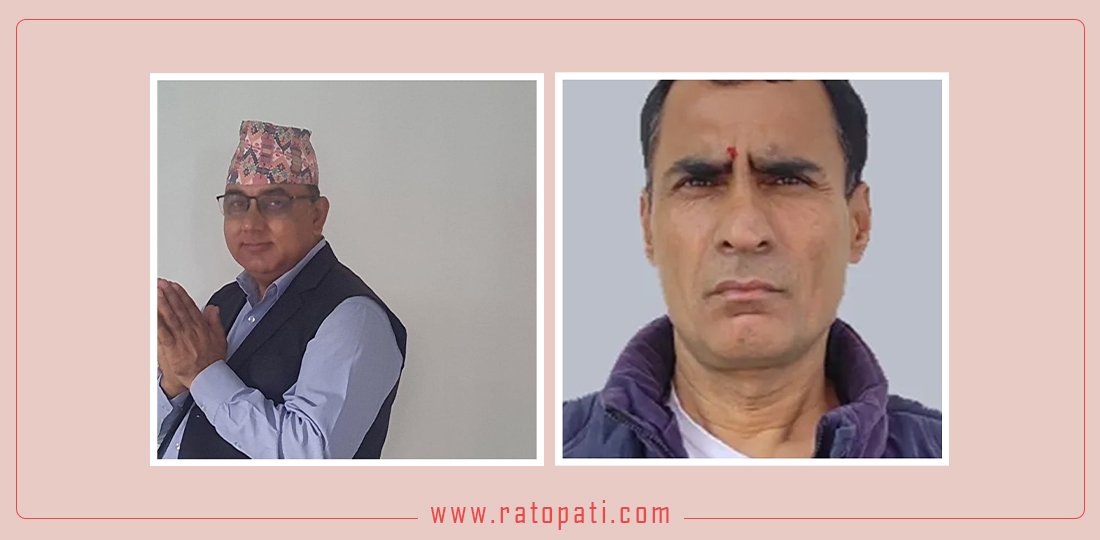
A former NEA director suggests that the government should collect the money immediately without hesitation. He says, 'In the past, when the NEA tried to collect the arrears, the government itself created obstacles. Now, there is no such situation. The process should be moved forward confidently by reviewing past legal, court, and policy decisions.'
He believes that since it is an RSP-led government, decision-making should be easier.
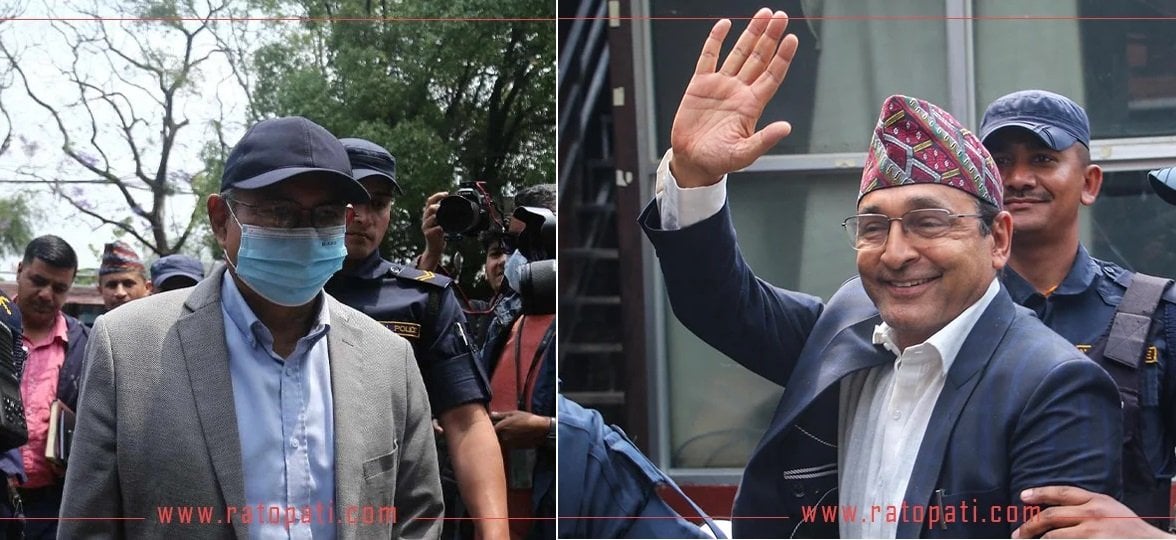
NEA Executive Director Hitendra Dev Shakya also stated that the authority has been issuing ultimatums to industrialists. He mentioned that the NEA is committed to collecting the funds and is discussing how to proceed in the coming days.
The NEA had given a deadline until 2 Kartik, with the facility to pay in 28 installments. However, within that deadline, only 6 out of 31 industries showed interest, all of whom already had interim court orders. The NEA disconnected the lines of the remaining 25 industries.
'There have been no discussions with the Energy Minister regarding the collection of arrears, and no instructions have been issued so far. However, the NEA has not backed down from collecting the money,' said Shakya. 'Just a while ago, the NEA sent letters to those who paid the first installment to pay the second, and to those who paid the second to pay the third. Some have come into contact, while others have gone to court.'
Meanwhile, NEA spokesperson Rajan Dhakal says that the recovery work is currently at a standstill. He noted that although some industrialists paid two or three installments, no one is currently in contact. 'Now that a new Energy Minister has arrived, the way forward will be decided only after discussions with him,' he said.
On 10 Ashoj, a board meeting chaired by then-Energy Minister Ghising decided to collect the arrears directly without going through any review process.
The NEA had given a deadline until 2 Kartik, with the facility to pay in 28 installments. However, within that deadline, only 6 out of 31 industries showed interest, all of whom already had interim court orders. The NEA disconnected the lines of the remaining 25 industries.
After the lines were disconnected, a tug-of-war began between the industrialists and the government. On 17 Kartik, an agreement was reached between then-Prime Minister Sushila Karki, Energy Minister Kulman Ghising, and FNCCI President Chandra Prasad Dhakal, where industrialists would pay the first installment and the government would proceed with the judicial process. However, the industrialists claimed that the first installment was merely a deposit and did not pay the second. Consequently, the recovery process has been halted since Mangsir.
After the latest action, 35 industries had agreed to pay in installments. However, the NEA reported that after Reliance Spinning Mills paid the first installment and obtained an interim order from the court, the other 34 industries have not come into contact.
After Ghising resigned on 23 Poush, Executive Director Hitendra Dev Shakya attempted to revive the review process. However, he had to back down after the board of directors demanded a clear decision from the Cabinet. The subsequent minister, Anil Sinha, also refused to take any concrete decision, citing the election code of conduct.
According to NEA data, a total of 58 industries were on the list to pay arrears for the period from Magh 2072 to Baisakh 2075. Out of 58, only 12 industries have cleared their entire dues. Two government-owned industries have provided written commitments to pay.
After the latest action, 35 industries had agreed to pay in installments. However, the NEA reported that after Reliance Spinning Mills paid the first installment and obtained an interim order from the court, the other 34 industries have not come into contact.
Including Reliance, seven industries are currently operating under interim court orders against the NEA. In total, NPR 7.5 billion remains to be collected from 46 industries, including government entities, those who stopped installments, those with stay orders, and those who are unreachable.
In such a situation, it remains to be seen whether the new government will prioritize this issue or get entangled in political bargaining like previous governments.
This specific news has been automatically translated by AI. As a result, there may be some inaccuracies or language errors.