Nepal's Economic Crossroads: Finance Minister Wagle Outlines Structural Reforms


Kathmandu. Nepal's economy is currently at a challenging juncture. Supply chain disruptions caused by the conflict between the US, Israel, and Iran, coupled with rising fuel prices, are impacting our households. In such a situation, the steps taken, policies adopted, and reforms implemented by the government will determine our future direction.
From recent Cabinet decisions to preparations for the upcoming budget, our primary objective is to make the economy dynamic, transparent, and result-oriented. At such a time, traditional and piecemeal reforms are not enough. We now need bold and structural transformation. We cannot move toward prosperity without radical changes in government policy, our relationship with the private sector, and the use of technology.
Fuel Crisis and Price Control Strategy
To address the volatility in global fuel prices and the resulting pressure, the government has already taken some initial and responsive decisions. The main point is to reduce fuel consumption and make the government frugal. A policy to save fuel has been adopted, but it is not enough.
Inflation is currently very high. The government is preparing in various phases to address this. If the situation becomes more difficult, our effort will be to keep prices at a certain point by adjusting infrastructure taxes, making necessary changes to Value Added Tax (VAT) rates, and using other financial tools.
For now, the public understands that this inflation is not caused by the government, but is a byproduct of international war and circumstances. However, we are conscious that this should not cause significant damage to low and middle-income families. Protecting the public from these impacts is the state's primary duty. Therefore, a balance between both strategies—reducing consumption and the state bearing the burden—is necessary.

Relationship with the Private Sector: From Handcuffs to Fines
A large part of the economy relies on remittances. We hope not to reach a level of crisis where the more than 2.5 million Nepalis living abroad need to be brought back home.
If they were to return in large numbers, it could trigger a different kind of economic crisis. Therefore, we face the challenge of keeping both external and internal aspects in balance during this transitional period.
There has been some fear regarding the private sector recently. I want to clarify—the government does not have, and will not have, the intention to selectively arrest, imprison, or harass anyone. Where wrongdoing has occurred, the natural legal process will proceed. However, we are trying to establish a new culture.
Our thinking is to avoid, as much as possible, the spectacle of handcuffing and jailing people for financial crimes. Priority should be given to fines and economic penalties for such offenses.
In the past, even when many people were involved in certain cases, we did not arrest everyone because it discourages the private sector and damages personal reputation. Once a case is registered, the judicial process proceeds. However, unnecessary harassment should not spoil the investment climate.
Capital flight occurs and job creation stops. The private sector must be considered a partner in development. We will develop a civilized regulatory system where those who make mistakes are fined according to the law, but regulated in a way that does not damage their reputation.
What Can Be Done to Remove the 'Grey List'?
Nepal is internationally on the 'Grey List'. This is a matter of disrepute for us. It is contradictory to be on the Grey List while simultaneously asking for international investment. Therefore, we are trying to bring cases that have been stalled, suppressed, or hidden for years to a logical conclusion.
We have empowered the relevant agencies. We have told them to proceed if there is merit (evidence) in a case. This is not targeted at anyone. Rather, it is a mandatory step taken to make Nepal credible in the international financial world. For international investment to come, our laws and their implementation must be efficient.
Digital Economy: Faceless, Paperless, and Cashless
The current era is one of technology. We aim to make the economy and administrative services faceless, paperless, and cashless. The hassle of running to government offices, making phone calls, and saying 'I am coming, please do the work' must end.
The government has taken some bold decisions for this. The process of dissolving the Department of Information Technology and moving its functions to the Prime Minister's Office to make them more modern and efficient has begun. Recently, the Cabinet approved a $90 million concessional loan for digitalization. Now, Nepal's economy will be technology-based, which will increase transparency and close loopholes for corruption.
Stock Market: Transparency, Not Fear
There are rumors of fear in the stock market, but that is not true. The stock market is much more modern and transparent than other sectors. Who brought money from where, which check was used for transactions, how much tax was paid to the state—all these things are clearly visible in the technology. Therefore, there is no reason for small investors to panic.
The Ministry of Finance's emphasis is on the rule of law. The regulatory body will only act against those involved in insider trading or those who unnaturally influence the market. Overall, we are in favor of a healthy and dynamic stock market. The government's policy is not to scare investors, but to make the market more dignified and credible to attract foreign investment into the capital market.
Economic Policy: Social Market Economy
Our party and government's economic policy is a liberal economy with social justice. To put it more clearly, it can be called a Scandinavian-model social market economy. This means making the private sector very dynamic. It is not about entangling them in a web of regulations and hassles, but clearing the path for them. However, being liberal does not mean being unrestrained. The state must be strong, and regulatory bodies must be clean and competitive.
In the past, our economy was trapped in crony capitalism, which overshadowed social justice. Now, we are correcting that and moving on a path that encourages the private sector while ensuring social justice.
Sick Industries and Public-Private Partnership
We have also put forward a new perspective regarding sick government industries. Due diligence audits of institutions like the Gorakhkali Rubber Industry are underway. Our focus is on how they can be operated by the private sector or through a Public-Private Partnership (PPP) model, rather than the government trying to manufacture tires itself. Once the debt, assets, and liabilities of the industry are clear, we will reach a concrete decision.
Upcoming Budget: Economic Transformation Package
In the budget to be presented on Jestha 15, we are bringing a major economic reform package. Unlike traditional budgets of the past, this will outline a concrete roadmap for economic transformation. To address the private sector's complaints regarding the Department of Revenue Investigation, the department has been moved to the Prime Minister's Office, and its intent and working style have been improved. The high-level reform suggestion committee led by Rameshwor Khanal is also doing significant work on this.
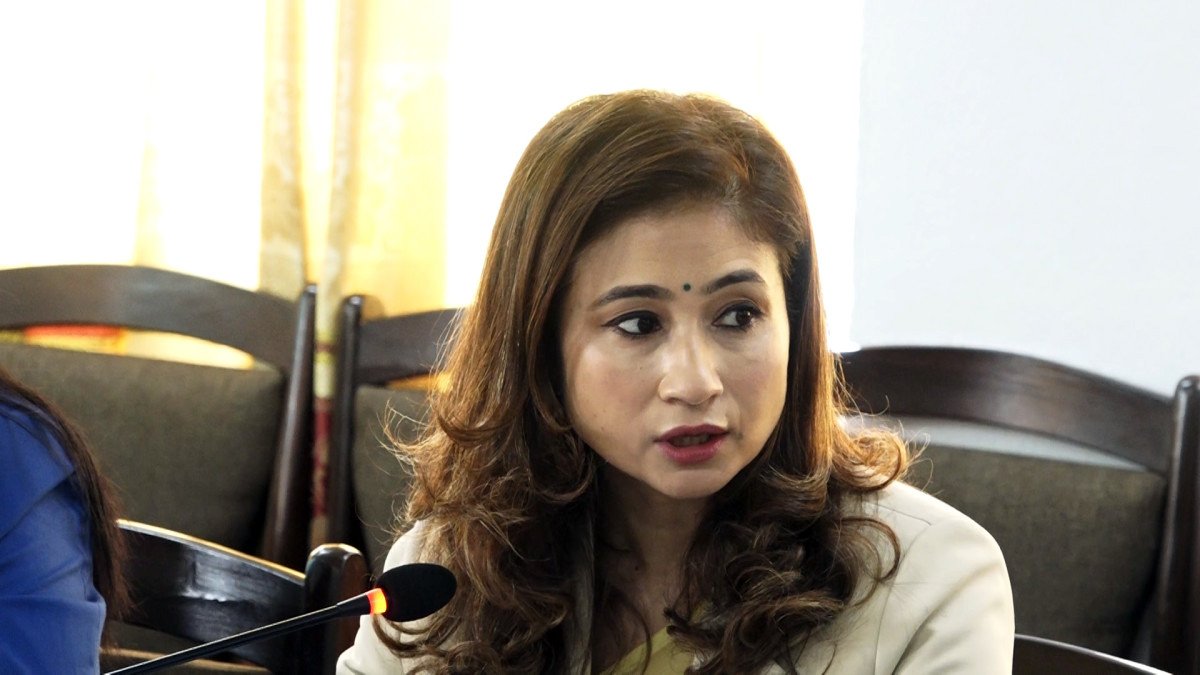
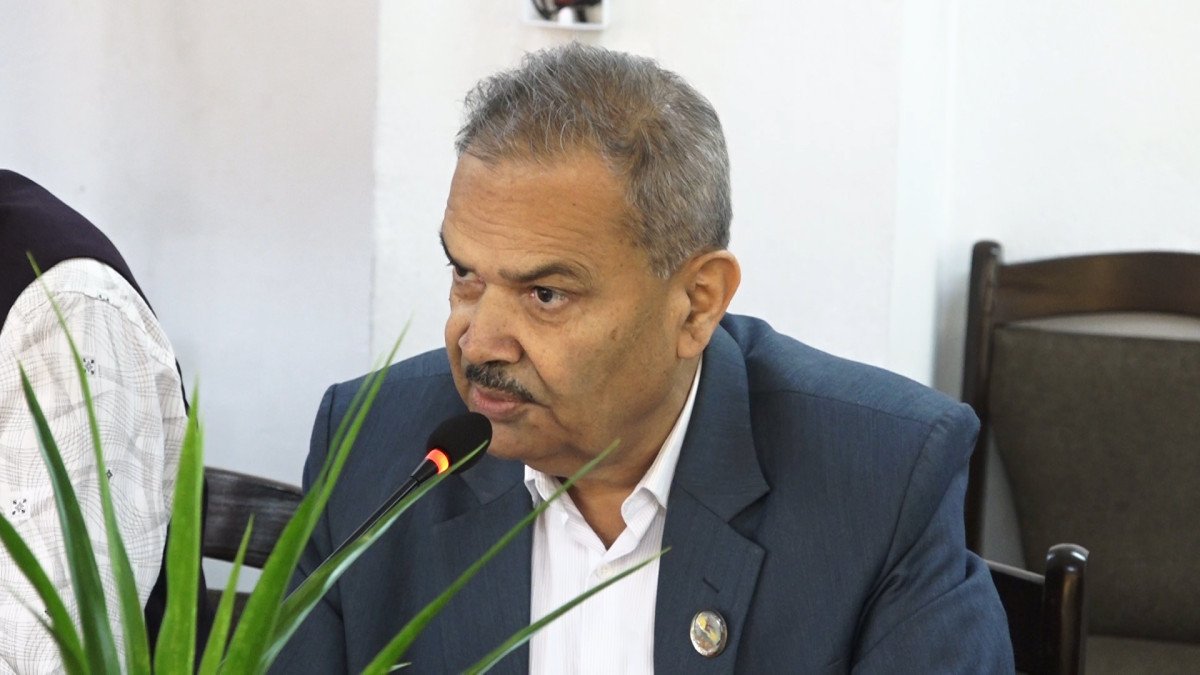
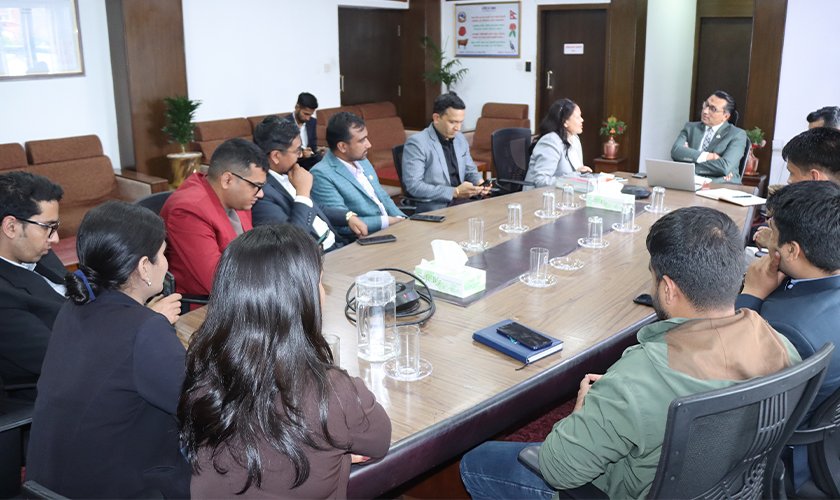
(Views expressed by Finance Minister Wagle during a discussion with the Nepal Economic Journalists Association (NAFIZ) on Monday.)
This specific news has been automatically translated by AI. As a result, there may be some inaccuracies or language errors.