Delays in Gen Z Council Formation Spark Frustration Among Youth Leaders

Kathmandu. With the new government led by Balendra Shah (Balen), the activity of Gen Z leaders has intensified. Various Gen Z groups are frequently visiting Singha Durbar with a series of demands. Their persistent efforts, which include calls for the treatment of the injured, employment opportunities based on skills, and respectful representation of Gen Z at various levels of the state, have led to increased congestion at the government secretariat.
The assurance provided by almost all government ministers to these groups remains consistent: 'The Gen Z Council is being formed, and it will resolve your issues. You will not need to carry files from ministry to ministry.'
However, even after more than six months since the Gen Z movement, the council has yet to be established. Previous attempts to form the council before the elections were also unsuccessful.
The Cabinet meeting on Falgun 12 had decided to form the 'Gen Z Council,' but that effort did not succeed. Following the Cabinet decision, the Prime Minister's Office had prepared the 'Gen Z Council Formation and Operational Order, 2082.' However, the Election Commission halted the process, citing the implementation of the code of conduct.
A minister from the previous government stated, 'We made the decision in a hurry at that time, but the Election Commission did not grant permission for its implementation. There was an expectation that the government would move this forward with its first decision, but even after so many days, no concrete decision has been made. This government must move it forward immediately.'
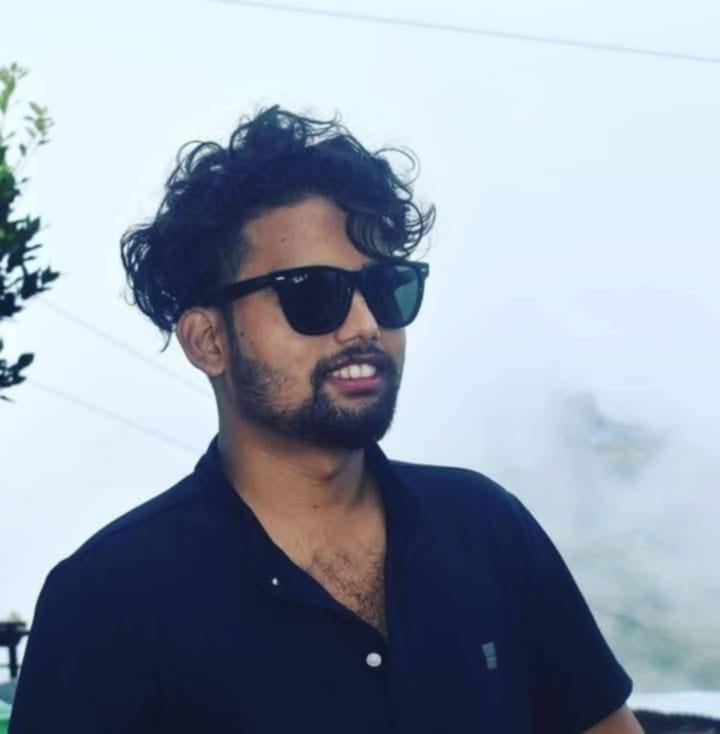
Gen Z leader Rizan Rana Magar shares a similar sentiment. He argues that the government appears more inclined to stall rather than implement the agreements made with Gen Z youth.
'The government seems to be doing nothing but distracting people, and ministers appear to be engaging in one stunt after another,' he says. 'The government's priorities have not been made clear.'
Why has the process not moved forward?
There were discussions about passing the previously drafted proposal on the very first day of the new government to move the process forward. However, because the objective is to make this council more comprehensive and establish it as an empowered and powerful body, it has taken time to finalize.

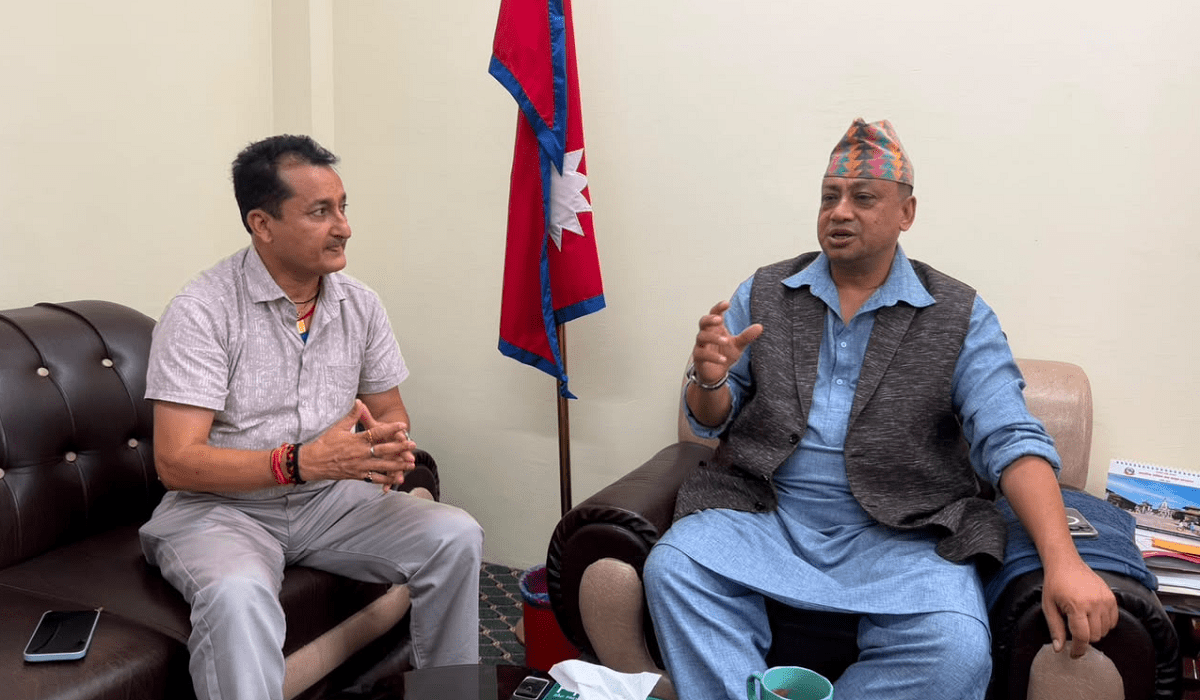
'The name 'Gen Z Council' was used in the decision of Falgun 12. But using this name limits the scope to just that age group. Therefore, there is a thought to broaden it,' says a member of the current Cabinet. 'There is a proposal to rename it the Gen Z and Youth Council.'
The member also informed that the draft is being revised to ensure the council is more empowered, as the previous model was similar to the existing National Youth Council.
'A structure like the National Youth Council already existed, but it could not provide solutions. Instead of creating another council for the sake of it, our goal is to make this a council that can truly function,' the Cabinet member says. 'The plan is to create a structure that can coordinate with all ministries. This way, Gen Z and youth can submit all their problems, demands, and ideas to the council. Our modality is that these matters will then go from the council to the ministries for implementation.'
According to him, the 'Formation and Operational Order, 2082,' created based on the previous government's decision, is now being revised in a new way. Once this is finalized, the Cabinet will make a decision, and the formation of the council will proceed.
What was the previous formation order?
The government-Gen Z agreement signed on Mangsir 24 included a provision in the 9th point to form a Gen Z Council to provide advice, suggestions, and support for the government's contribution, oversight, and good governance in running the administration.
In accordance with that agreement, the Cabinet meeting on Falgun 12 decided to form the 'Nepal Gen Z Council' as per the consensus reached between the government and Gen Z following the movement on Bhadra 23 and 24.
The draft stated that the council would have a 32-member ad-hoc committee including a coordinator, and it would collaborate with the government for good governance, prosperity, and the eradication of corruption through oversight, advocacy, and creative engagement. The Prime Minister was designated as the patron of the council, with an executive coordinator appointed by the Government of Nepal.
Furthermore, there was a provision for 21 members, with three from each province, including at least one woman and one person from indigenous or Dalit communities. The province represented by the executive coordinator would have only two members excluding the coordinator.
Additionally, it was mentioned that there would be 10 members, including five from the families of martyrs of the Gen Z movement and five from the injured. The term of the executive coordinator and officials was set for one year, with a maximum of one reappointment. A Gazetted Second Class (Under Secretary) officer appointed by the Government of Nepal was to serve as the member secretary of the council.
The duties and responsibilities of the committee were to 'provide dialogue, cooperation, and suggestions among all political forces to enhance transparency, accountability, equity, inclusivity, efficiency, and responsibility in governance in accordance with the spirit and sentiment of the Gen Z movement.'
However, the minister noted that since such a structure did not appear effective, it is being revised.
'Creating a mechanism without a concrete role does not yield effective results, and the current draft appeared that way,' the minister says. 'If it were just to create a council for the sake of it, it would have been fine, but it seems a lot of homework is needed to create a council that produces results. The Prime Minister's Office is currently doing that homework.'
This specific news has been automatically translated by AI. As a result, there may be some inaccuracies or language errors.
_NZE6i45UJj.jpg)