The Unintended Consequences of Trump's Iran Strategy


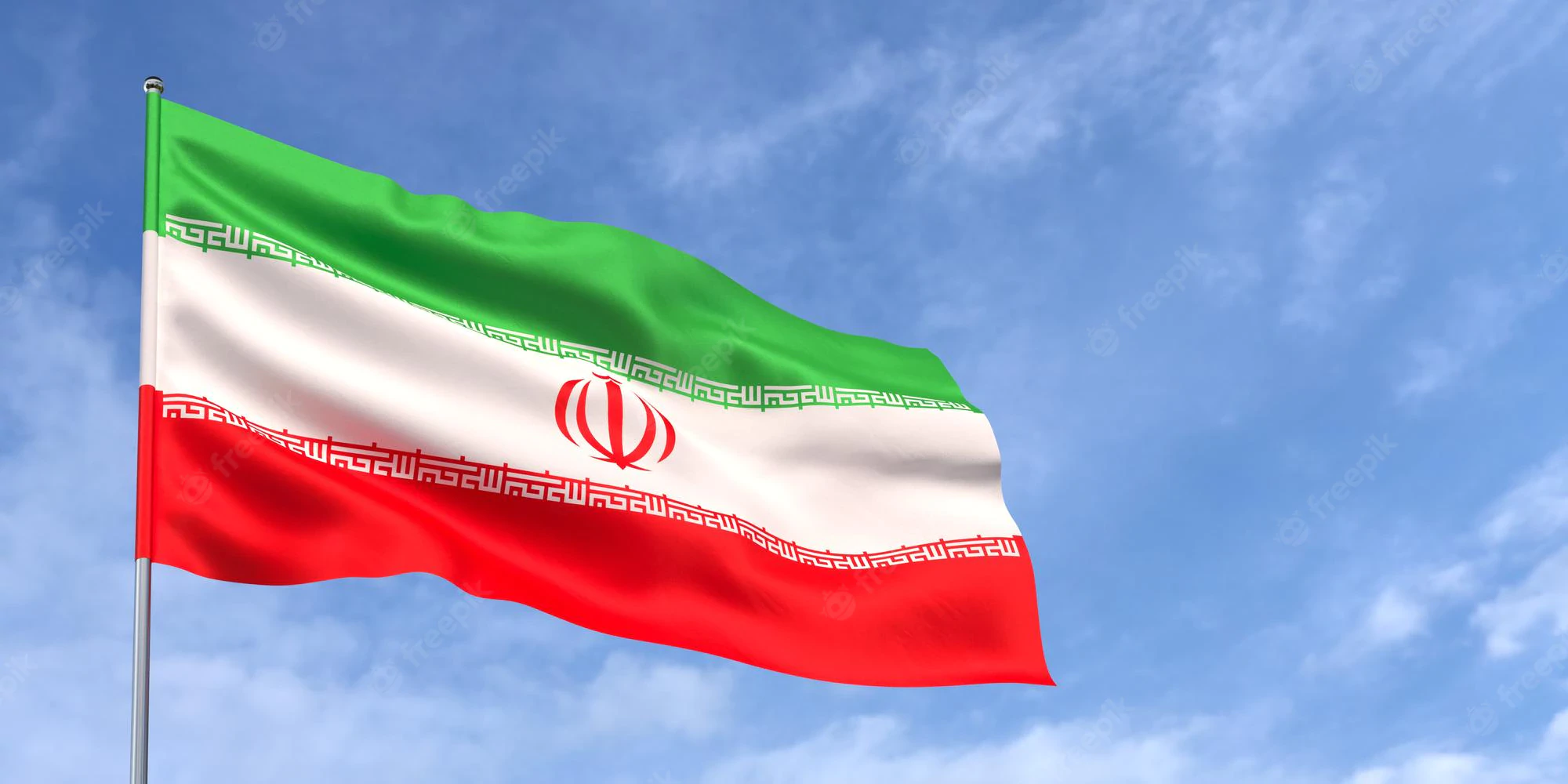
US President Donald Trump possesses a peculiar talent: he has a knack for inadvertently strengthening America's rivals. When he initiated a trade war with China, Beijing leveraged its dominance in 'rare earths' and 'critical minerals' to force the US into lowering tariffs. Similarly, Trump's recent actions against Iran have pushed Tehran to finally implement its long-standing threat: closing the Strait of Hormuz. Like Beijing, Tehran has identified a critical pressure point to inflict economic pain on the West.
The current restrictions imposed by Iran in the Strait suggest that its goal is not merely to evade US-Israeli attacks, but to emerge from the ongoing conflict as a more powerful international player. There is no doubt that Iran is facing significant blows; its leadership and senior advisors were targeted early on, and its ships, missile launchers, and command centers have been repeatedly struck. The Iranian economy is in crisis, with inflation at record highs. Yet, Iran remains resilient on the battlefield, demonstrating the capacity to inflict severe damage on its Gulf neighbors. By targeting Saudi Arabia and the UAE, it is casting a long shadow over their future, while the Strait of Hormuz promises to become a lucrative source of revenue for Tehran.
Reports indicate that Iran is charging ships $2 million to pass through the Strait. Given that an average of 140 ships transit daily, Iran could potentially collect billions of dollars in monthly revenue. While US Secretary of State Marco Rubio warned last week that such levies are illegal and unacceptable, the question remains: what can the US actually do about it?
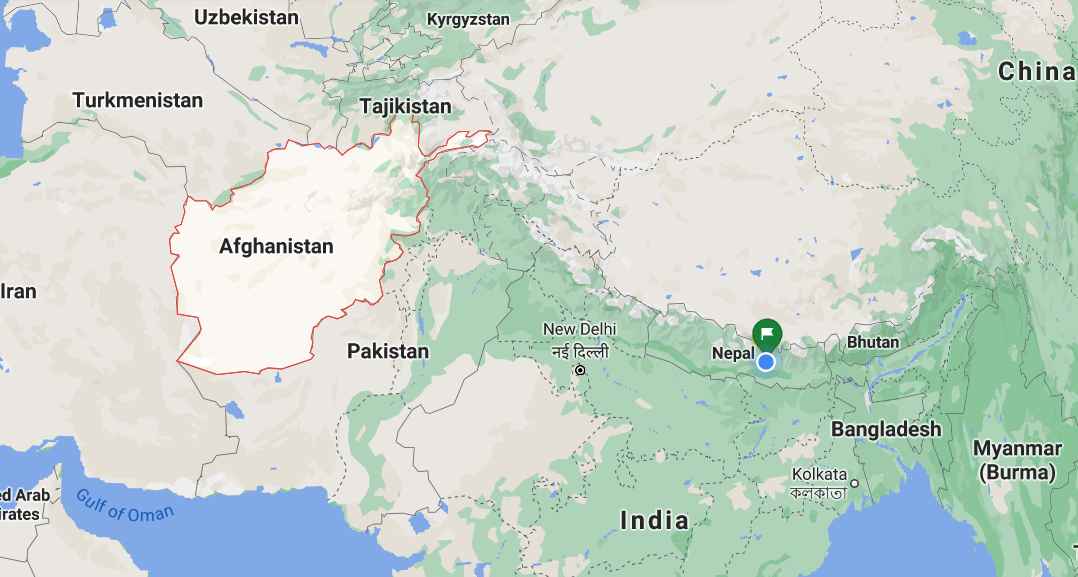
Western military strategists are not optimistic about the possibility of reopening the Strait of Hormuz through military means. The geography and Iran's technological capabilities pose significant challenges. It can deploy drones from far inland, meaning naval patrols alone cannot guarantee the safety of commercial shipping.
The answer is discouraging: the US is unlikely to achieve a military victory that leads to regime change in Iran. While the US is currently amassing ground troops in the Middle East—and Trump recently mentioned in an interview that they are prepared to seize Kharg Island—such an occupation would not solve the Hormuz crisis. Western military strategists remain skeptical about the feasibility of a military solution due to the region's geography and Iran's advanced drone capabilities, which render traditional naval patrols insufficient.
Consequently, a negotiated settlement remains the most realistic option, though Iran is likely to demand a high price. The Iranian regime has its eyes set on a major future revenue stream and seeks to secure leverage that could force the world to either cooperate or face consequences. Trump, known for his unconventional negotiating style, has expressed confusion over Iran's approach, recently suggesting that he and the Ayatollah could jointly manage the Strait. However, Tehran has shown little interest in such talks.
The anxiety among Iran's neighbors is growing daily. They fear that a post-war Iran will emerge stronger, effectively controlling energy exports in the Gulf. There is also a valid concern that Iran might monopolize new economic opportunities. While there is speculation that the UAE and Saudi Arabia might prefer joining the conflict over accepting these consequences, they are well aware that attacks on their oil refineries and water desalination plants would have long-term societal and economic impacts. Ultimately, they may choose to pay Iran rather than risk war.
For those who dislike Trump, Israel, or Saudi Arabia, seeing Iran gain the upper hand might feel satisfying, but this is a short-sighted view. The Iranian regime has sponsored violent Islamist groups across the Middle East and has brutally suppressed its own citizens.
Asian nations, as key destinations for Gulf energy exports, have not been targeted by Iran and remain willing to trade. While US allies like Japan and the EU fear American retaliation for paying these transit fees, the deteriorating relationship between the EU and the Trump administration complicates matters. Given Trump's unpredictability, European nations may eventually decide that risking his anger is preferable to paying exorbitant energy prices or bowing to Russia for oil and gas.
As Donald Rumsfeld, a planner of the 2003 Iraq invasion, once noted, there are many 'known unknowns.' A US ground invasion of Iran would dramatically escalate the conflict. While social and economic pressures could theoretically lead to an internal uprising, the regime currently appears remarkably resilient. For those who dislike Trump, Israel, or Saudi Arabia, seeing Iran gain the upper hand might feel satisfying, but this is a short-sighted view. The Iranian regime has sponsored violent Islamist groups across the Middle East and has brutally suppressed its own citizens.
Iran is also providing critical support to Russia in the Ukraine war. If Iran emerges from the current Middle East conflict significantly empowered, it will be bad news for global security and the economy—and certainly not good news for the Iranian people. Unfortunately, that appears to be the likely outcome of the current war.
This specific news has been automatically translated by AI. As a result, there may be some inaccuracies or language errors.