Maoist Center MP Barshaman Pun Urges New Government to Address Public Aspirations


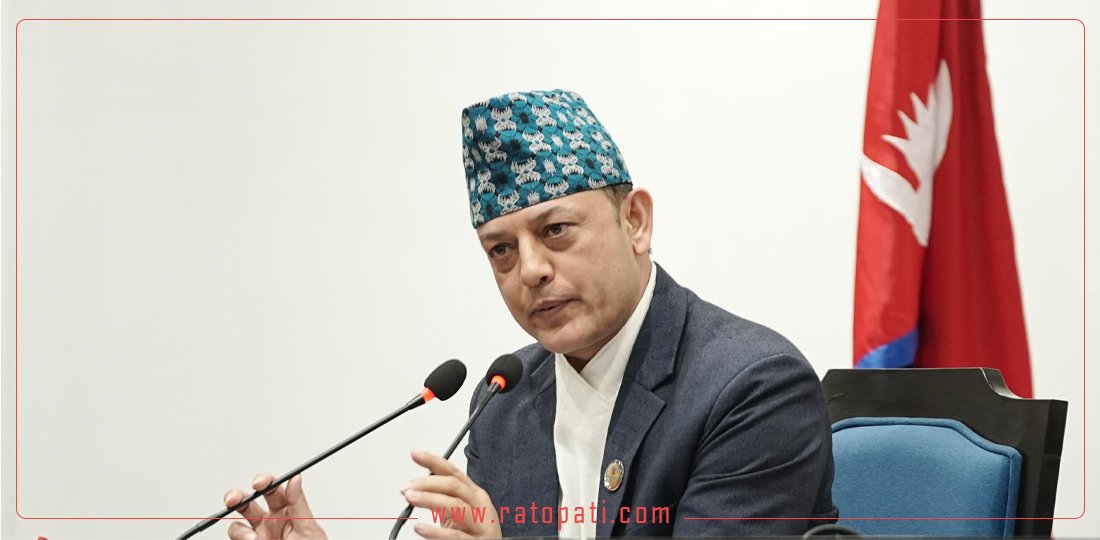
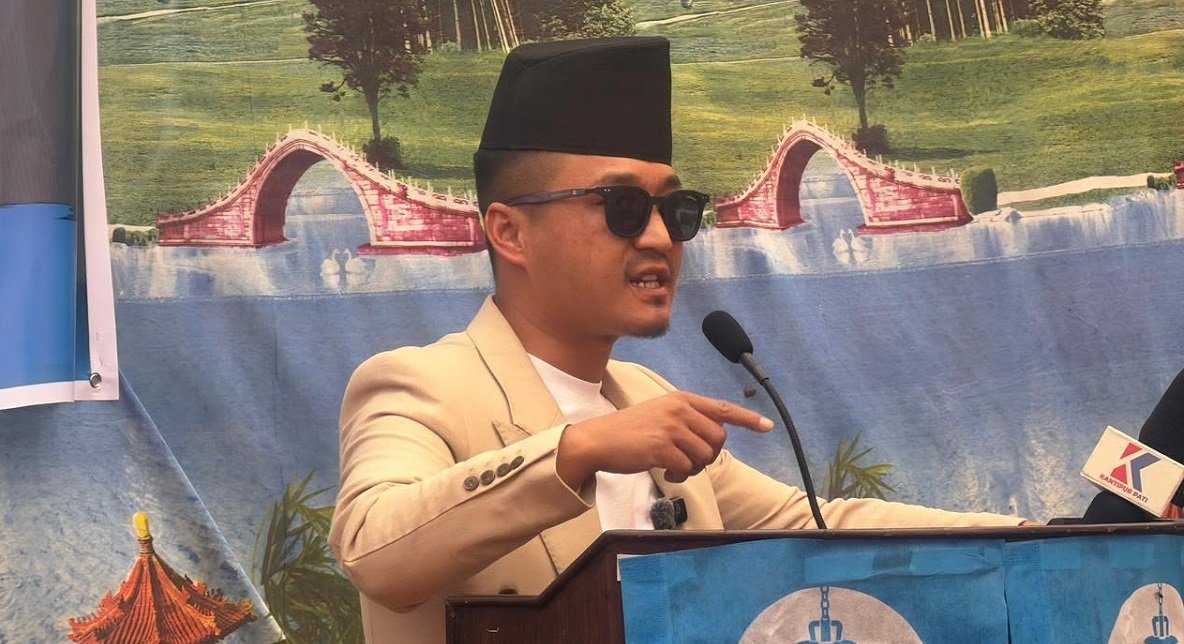
Kathmandu. CPN (Maoist Center) MP Barshaman Pun has urged the newly elected powers and the government to institutionalize current changes and achievements while fulfilling public aspirations. Addressing the first meeting of the House of Representatives, he stated that they are present in the House as witnesses to history and successors of the struggle, accepting the new mandate as a vehicle for change.
Pun recalled that it is due to past movements and the People's War that representation of women, Dalits, and oppressed communities is possible in every state body today. He argued that compared to 20 years ago, women's ownership of property and their access to high state positions is a major revolution. He cited the expansion of the road network from 19,000 kilometers 18 years ago to over 125,000 kilometers today as an example of the pace of development. However, he emphasized that the youth uprisings of Bhadra 23 and 24 made it clear that the current pace of development and good governance is insufficient and must be acknowledged.
Pun, a former minister, shared his historical experience with the Rastriya Swatantra Party and the government led by Prime Minister Balendra Shah, advising them to remain vigilant. Admitting that the near two-thirds mandate received by the Maoists in 2064 BS and the then-NCP in 2074 BS could not be utilized effectively, he urged the new forces to learn from those shortcomings. "We could not utilize the mandate; learn from our limitations and weaknesses to lead the country and the party forward," he said in the House.
Speaking on constitutional amendments, Pun clarified that there can be no compromise on achievements like democracy, republicanism, and inclusivity. He stated that they would support refining and strengthening these issues but would not move backward. He expressed that the government must take ownership of completing the remaining tasks of transitional justice and the peace process. Pledging constructive support for national independence, social justice, and job creation for youth within the country, he stated that his party would remain vigilant regarding the government's actions.
- Full text of the address
Honorable Speaker, we are present in this first session. First of all, we are here not only as representatives but as witnesses of history, successors of the struggle, and builders of the future. In this context, I would like to express my heartfelt congratulations and best wishes to all of you on behalf of my party, the Communist Party of Nepal (Maoist Center).
Comrade Prachanda, the commander of the People's War and leader of the peace process and the People's Movement, said something during the 2079 BS election. When current Honorable Prime Minister Balendra Shah was winning as an independent candidate and Harka Sampang was winning in Dharan, and Honorable Rabi Lamichhane was running a new campaign by forming the Rastriya Swatantra Party, he said— 'This is not just a challenge to the old parties; these are beautiful flowers in the garden of democracy and republicanism.' Today, we are reminded that we have gathered in this Parliament as those very beautiful flowers.
Looking back at the 10 years of the People's War, the peace process, and the People's Movement, there were hardly 7 female MPs in the Parliament in the past. But today, there is a 34 percent representation of female honorable members in this Parliament. Twelve years ago, while preparing the budget, we started the practice of 'Gender Responsive Budgeting.' At that time, only 7-8 percent of movable and immovable property was in the names of women, whereas today, 24 percent of home and land ownership is in the hands of women. In a society where the birth of a daughter was once looked down upon as 'someone else's property,' women today have set new records by reaching high positions like President, Chief Justice, and Chief Secretary. The status of women today is not as weak as it was in the past.
Just a moment ago, an honorable member from the Dalit community mentioned— 'In the past, the Maoists and other political parties taught us to speak. We were taught to realize that there was injustice, repression, and oppression against us.' His statement makes me feel proud. It is not about who won or lost or which party we came from, but that the Nepali people have won overall. Therefore, regardless of this or that party, it is because of the policies and struggles brought by our predecessors that we have changed the system today. Because a democratic, federal, inclusive system with social justice has been built, we have this rainbow-like Parliament today. This is our shared pride. Certainly, questions have been raised about the ideas, politics, and behavior of the so-called old parties. However, it is not that we have done nothing.
Two years ago, when I presented the budget, the honorable members of the RSP and some contemporary ministers were in this very Parliament. At that time, I presented statistics and said— '18 years ago there were only 19,000 kilometers of roads, but today over 125,000 kilometers have been built.' This development after democratic republicanism is a revolution and achievement in itself. Great strides have been made in electrification and other infrastructure as well. But today's youth did not accept just this much development. They rebelled on the streets saying, 'This kind of development, pace, and good governance is not enough.' As a result, this new mandate has been formed. We have accepted that mandate from the heart.
The Communist Party of Nepal (Maoist Center) believes in democratic conduct, behavior, and methods. We have full faith in our constitution. We are ready to support the government constructively and will also play a strong role as a critical opposition. Honorable Speaker, behind all these achievements attained today lies the sacrifice of tens of thousands. On behalf of my party, I would like to express my high respect and tribute to all the martyrs from the People's War, the People's Movement, the Madhesh Movement, to the recent movements by the youth. I wish for the speedy recovery of all injured and disabled warriors and express high respect to the families of the disappeared, whose sacrifices have brought us this far.
What were our weaknesses while running the government in the past? Where were our efforts insufficient? It is not that we did nothing; we did, but they were not enough. We will go to the people after self-reflection on the shortcomings. In this context, I would like to share one of my historical experiences with the Chairman of the ruling Rastriya Swatantra Party, Honorable Rabi Lamichhane, and Honorable Prime Minister Balendra Shah, among others. In 2064 BS, the then CPN (Maoist) also achieved such an unprecedented victory. In 2074 BS, when two large leftist parties fought the election together and later merged, we had a near two-thirds majority. But we could not utilize it properly, and our limitations were exposed. Learn from our shortcomings and take the party and the country forward. Our constructive support will remain in this direction.
Many exercises have been done for nation-building, national independence, and transformation with social justice. Issues of constitutional amendment are also being raised. But there can be no compromise on the core essence of democracy, republicanism, and inclusivity. Rather, we are always ready to further refine and strengthen democracy. Respecting the new mandate, our policy will be to let the government work and, when necessary, to remain vigilant and active in oversight.
After the election of the Speaker, I believe this dignified Parliament will move forward as a vibrant Parliament. The responsibility to stand for the Nepali people and nationality, to hold the country's head high before the world, to create jobs for youth within the country, and to strengthen the economy in a challenging situation is now on your shoulders. There are many experts here, from the Prime Minister to the Finance Minister and party chairmen. We will provide constructive support in balancing all these issues to fulfill the aspirations of the people. In addition, the remaining tasks of the peace process and transitional justice must also be completed. These are national tasks, and I believe the government will take ownership of them. None of us need to harbor arrogance or inferiority complexes. We are always ready to cooperate while keeping the country and the people at the center, maintaining our own ideas and principles.
With this, I bid farewell while expressing my congratulations and best wishes to all the honorable members again. Thank you!
This specific news has been automatically translated by AI. As a result, there may be some inaccuracies or language errors.