Attorneys Argue Against Detention of Former PM Oli in Supreme Court Habeas Corpus Hearing

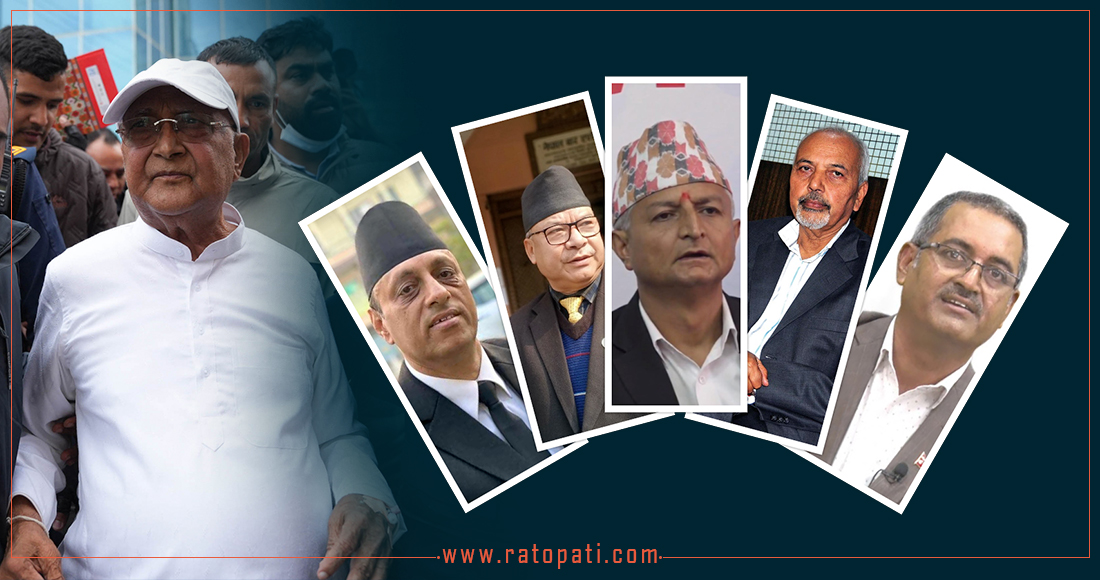
Kathmandu. Around a dozen lawyers argued on Monday in the Supreme Court regarding the habeas corpus petition filed on behalf of KP Sharma Oli.
Radhika Shakya filed the petition on Sunday demanding the immediate release of Oli, who was allegedly detained illegally for investigation into the events of the 'Jyanji' protest on Bhadra 23 and 24. Oli's petition was heard in the bench of Justice Meghraj Pokharel.
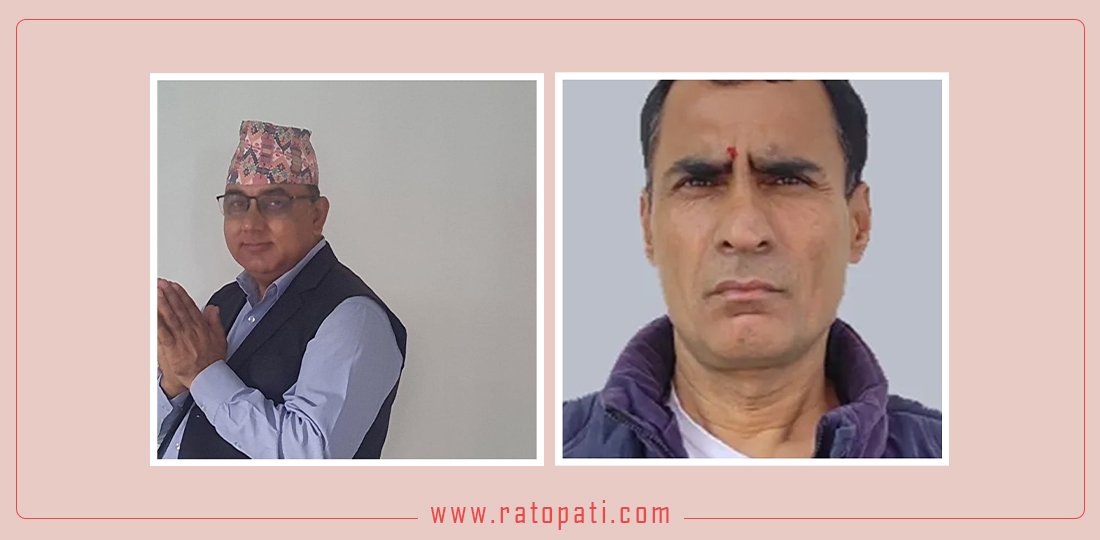
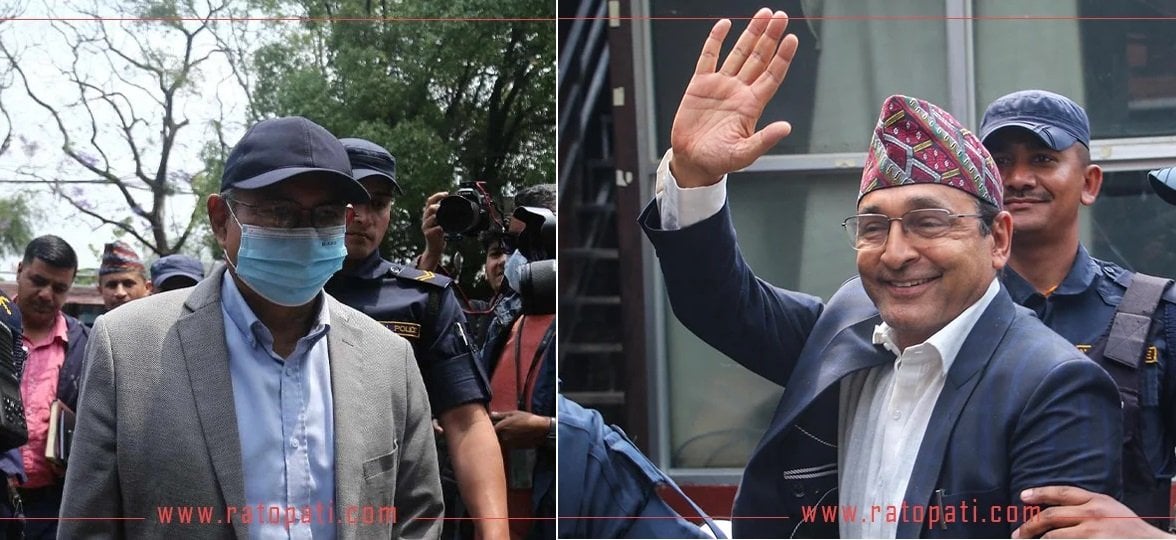
The Investigation Commission had recommended filing charges against them, holding them responsible for the crackdown during the 'Jyanji' protest. Based on the investigation commission's report, the current government arrested the then-Prime Minister Oli on Saturday.
The Kathmandu District Court permitted to keep both individuals in custody for five days for investigation into the offense related to life. The bench of District Judge Anand Shrestha deemed it appropriate to keep Oli, along with former Home Minister Ramesh Lekhak, in custody. The government lawyer had presented three reasons while demanding custody during the permission hearing.
During the arguments in the single bench on Monday, Senior Advocate Tikaram Bhattarai stated that the cabinet cannot decide to arrest anyone. Bhattarai asserted that arresting former Prime Minister Oli based on an emergency arrest warrant was unconstitutional at first glance.
'Arresting selectively based on the Gauri Bahadur Karki Commission's report is illegal,' Bhattarai said, adding, 'A written response should be sought from the opposition within 24 hours, and the Gauri Bahadur Karki Commission's report should be summoned.'
'The decision to make the Karki report public was announced, but it has not been officially published anywhere. According to details received through the media, it is stated that KP Oli and Ramesh Lekhak are subject to further investigation and prosecution in the 720-page report. Arresting directly based on that report is not permissible,' Senior Advocate Bhattarai told the court.
Dr. Bijay Prasad Mishra, President of the Nepal Bar Association and Senior Advocate, argued that there was no basis for an emergency arrest warrant as former Prime Minister KP Sharma Oli and former Home Minister Ramesh Lekhak would remain under a security cordon.
Arguing in the hearing of Oli's habeas corpus petition, Mishra stated that former Prime Minister Oli, who is ill with kidney disease, is not in a condition to flee, nor does former Home Minister Lekhak appear to be going anywhere. Mishra said, 'The government has misused the emergency arrest warrant. This is an extremely sensitive matter.' Stating that the government's prejudice was clear, he said that the basis for the District Court's extension of custody could not be considered valid.
Senior Advocate Radheshyam Adhikari argued that Oli is a person who remains under a security cordon at all times. 'He is a former Prime Minister. He is always under security. How can he flee?' he asked. 'He has to inform the security agencies before going anywhere. But his fundamental rights have been violated by arresting him illegally.'
'Secondly, the Karki Commission only gives an opinion regarding action,' he said. 'How can it be said to initiate criminal proceedings by applying this section of the law?'
'It was said that the decision to make the report public was taken, but that report is not officially found anywhere,' Adhikari added. 'The government was formed on Chaitra 13, and the cabinet decided that very evening, and they were arrested overnight claiming they had studied it.'
He asserted that the cabinet made the decision incorrectly. He argued that Oli could be kept outside of custody as he would cooperate with the investigation.
Senior Advocate Ram Narayan Bidari stated that the investigator should only keep someone in custody if the situation necessitates detention. 'Arresting him by issuing an emergency arrest warrant is prima facie unconstitutional. There must be concrete evidence to keep someone in custody. How is it permissible to arrest immediately based on a report?' he questioned.
Senior Advocate Lalit Basnet argued that the government should make policy decisions and could not directly decide to arrest someone. 'The Attorney General has not yet been appointed now,' he said. 'Only the Attorney General has the authority to decide whether to file a case or not. If someone is arrested based on prejudice, the court should immediately release them.'
Senior Advocate Mukti Pradhan asserted that no one can be arrested directly without a complaint application. 'The arrest made through an emergency arrest warrant based solely on a report is flawed,' Pradhan told the court. 'The Karki Commission report lacks legitimacy. It is prejudiced, shows a chain of malice, and the process does not appear to be correct.'
He questioned what would happen to the previous Lal Commission and Rayamajhi Commission if the Karki Commission were to be implemented immediately.
Arguing the habeas corpus petition, former Attorney General and Senior Advocate Ramesh Badal asserted that Oli should be released on personal bond. Badal also stated that a written response should be sought from the opposition within 24 hours. Senior Advocate Badal also mentioned that the issues mentioned in the 720-page report of the investigation commission were specifically targeted with prior intent.
The habeas corpus petition for Home Minister Ramesh Lekhak, who was arrested along with Oli, was also heard on Monday. Lekhak's habeas corpus petition was heard in the bench of Justice Kumar Regmi.
This specific news has been automatically translated by AI. As a result, there may be some inaccuracies or language errors.