Nepal Cabinet Approves Six-Point Health Sector Reform Agenda, Prioritizing Digitalization


Kathmandu. Six points aimed at reforming the health sector have been incorporated into the one hundred agendas approved by the Council of Ministers meeting on Chaitra 13. Among these, the government's priority is to streamline the digital system.
The government has decided to strictly and immediately implement a provision mandating that both government and private hospitals must make at least 10 percent of their total beds available free of charge to end the situation where destitute, helpless, and unclaimed patients are denied access to hospital services or are deprived of treatment due to financial reasons, and to enhance social responsibility in both the private and public sectors.
Similarly, the government has decided to develop a 'Free Health Portal' for real-time monitoring of free service availability, beneficiary details, and service utilization across all health institutions and to implement this portal nationwide within 30 days. The government plans to develop a digital, integrated, and interoperable health information system for patient records within three months to manage patient treatment history, referrals, follow-up services, and clinical follow-ups, and to implement a clear 'Referral Protocol' to control the trend of unnecessary referrals to private hospitals.
To ensure basic standards of health workers' attendance, behavior, sanitation, and service quality in government hospitals, 'Attendance Monitoring', 'Conduct Review', and 'Cleanliness Audit' will be made mandatory within one week, and all service delivery will be made citizen-friendly and accountable. Arrangements will be made to operate a digital system showing medicine inventory and prices in hospital pharmacies within three months.
Furthermore, with the objective of providing quality medicine at affordable prices to citizens, the government's agenda includes implementing a system to operate 'Affordable Pharmacies' in government hospitals and major health institutions nationwide, making necessary medicines available under generic names at minimum prices through these pharmacies, strengthening supply management in collaboration with the private sector, and launching this program nationwide in a phased manner within one hundred days.
To address the increasing mortality, disability, and long-term rehabilitation problems due to the lack of well-equipped hospitals at the provincial level for burn treatment, the process of establishing burn wards in most hospitals will begin within 30 days, and arrangements will be made for subsidized treatment for burn patients.
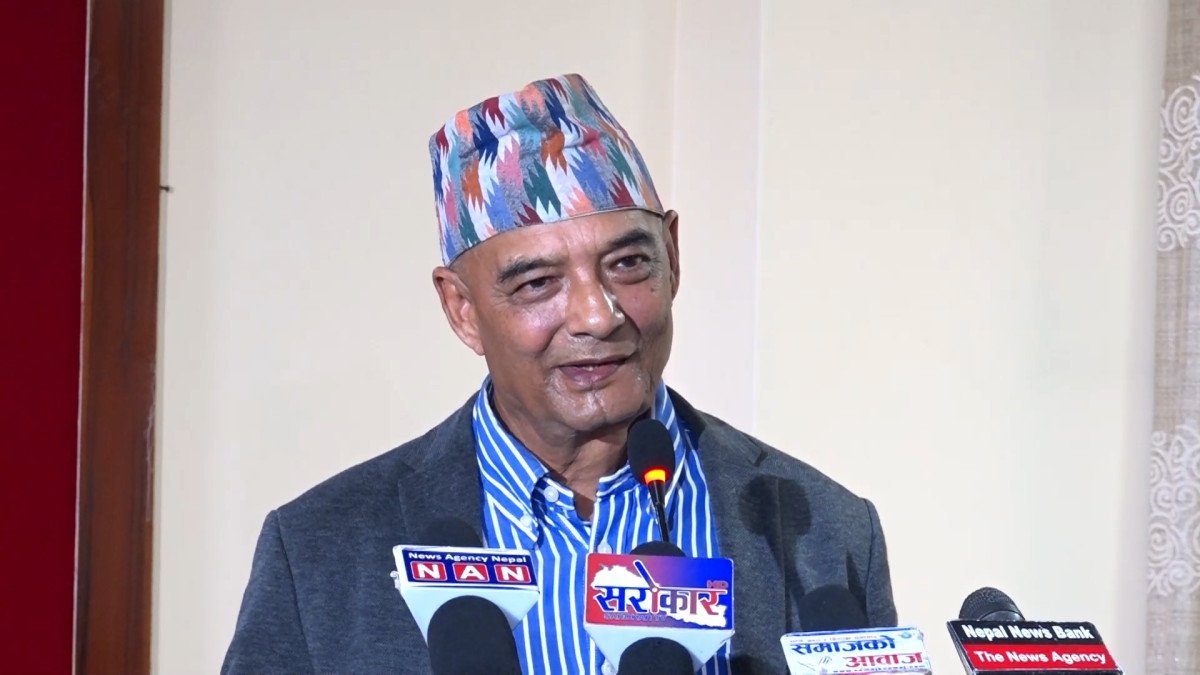
The government's priority is the immediate implementation of arrangements to keep air ambulances on standby for emergency health services in the Sudurpaschim, Mid, and Eastern hilly regions of Nepal. Public health expert Dr. Sharad Wanta states that the significance of these agendas will only be felt by the public if the government's promised agendas are put into action and yield results. According to him, every government has made paper commitments for health sector reforms, but the public has yet to experience the tangible benefits.
This specific news has been automatically translated by AI. As a result, there may be some inaccuracies or language errors.