Koshi Province Lawmakers Condemn Arrests of Former PM Oli, Other Leaders, Demand Unconditional Release


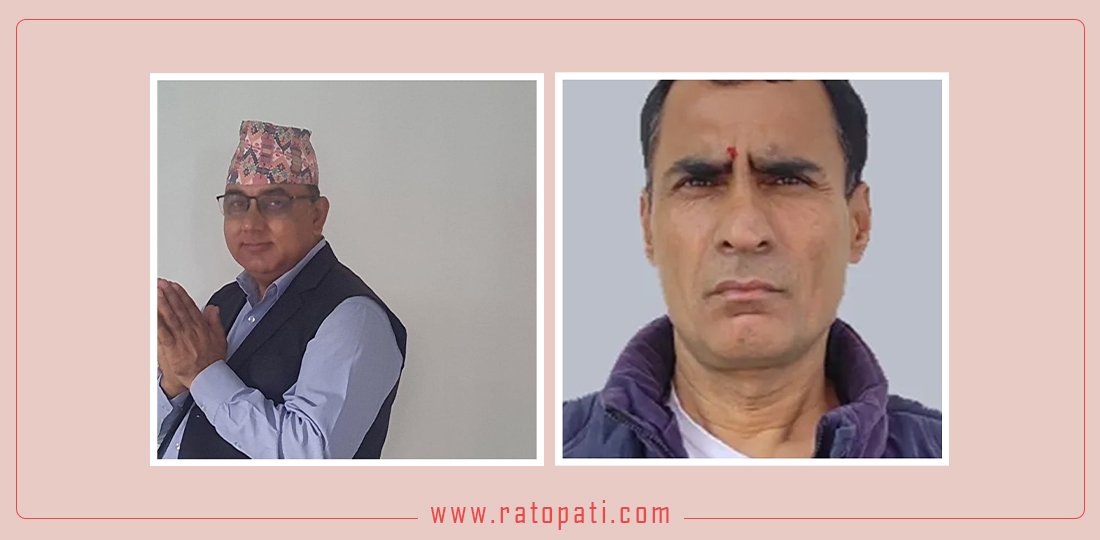
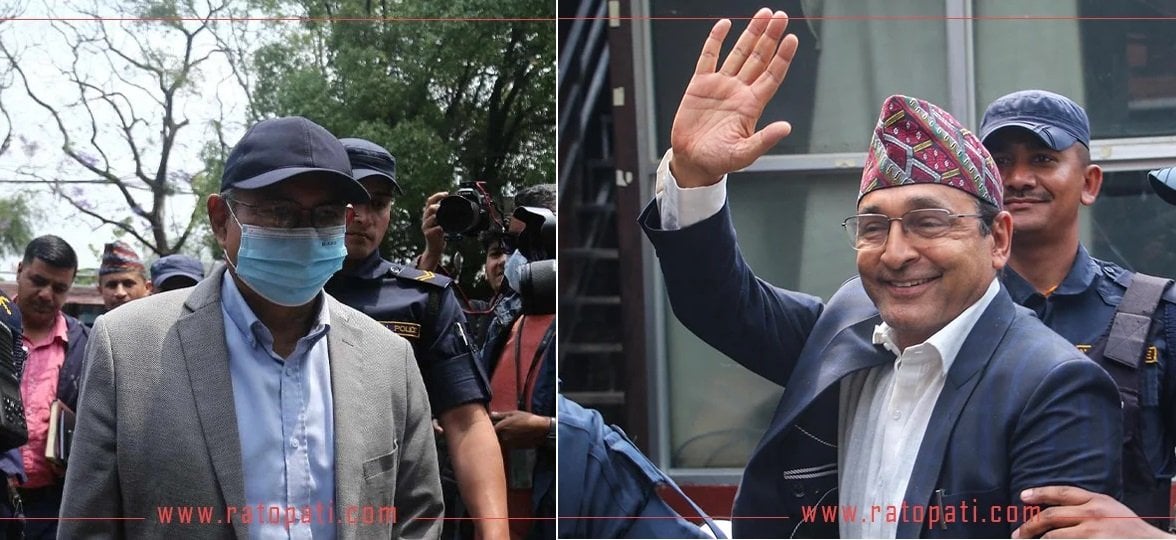
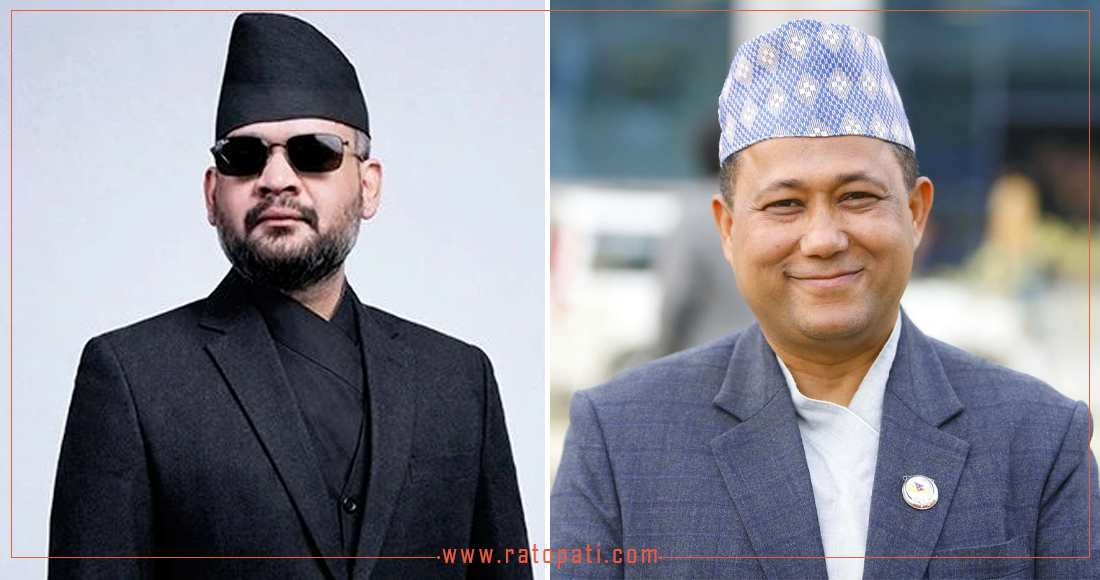
Biratnagar. Lawmakers from the Nepali Congress and CPN-UML in the Koshi Provincial Assembly expressed serious objection to the arrest of former Prime Minister KP Sharma Oli, former Home Minister Ramesh Lekhak, and leader Deepak Khadka.
Speaking during the zero hour and special session, the lawmakers termed the move as political vendetta and demanded the unconditional release of the arrested leaders.
Speaking during the zero hour, the lawmakers claimed that the investigation commission report formed regarding the incidents of Bhadra 23 and 24 was prejudiced and not impartial. Lawmakers Dolma Tamang, Sirjana Rai, Kishorchandra Dulal, and Hombahadur Thapa stated that the new government, within 24 hours of its formation, initiated arrests, severely undermining the rule of law.
It was their contention that the newly formed majority government forgot its mandate to ensure peace, good governance, and end corruption, and instead created an atmosphere of terror in a retaliatory manner. They demanded the scrapping and correction of the prejudiced report and a genuine investigation into the incident of the 24th to take action against the guilty.
Similarly, lawmaker Meena Shrestha stated that the arrest of former PM Oli and former Home Minister Lekhak was an attack on the democratic system itself. She drew the government's attention to ensuring no negligence in the health examination and care of former PM Oli, who is in a health-sensitive condition, and demanded his immediate release. Lawmaker Geetadevi Regmi urged against political vendetta towards leaders holding differing views, warning that this would bring instability to the country.
Speaking during the zero hour, lawmaker Khageshwari Paudel stated that good governance is the main necessity right now and opined that good governance can only be established by digitalizing public services.
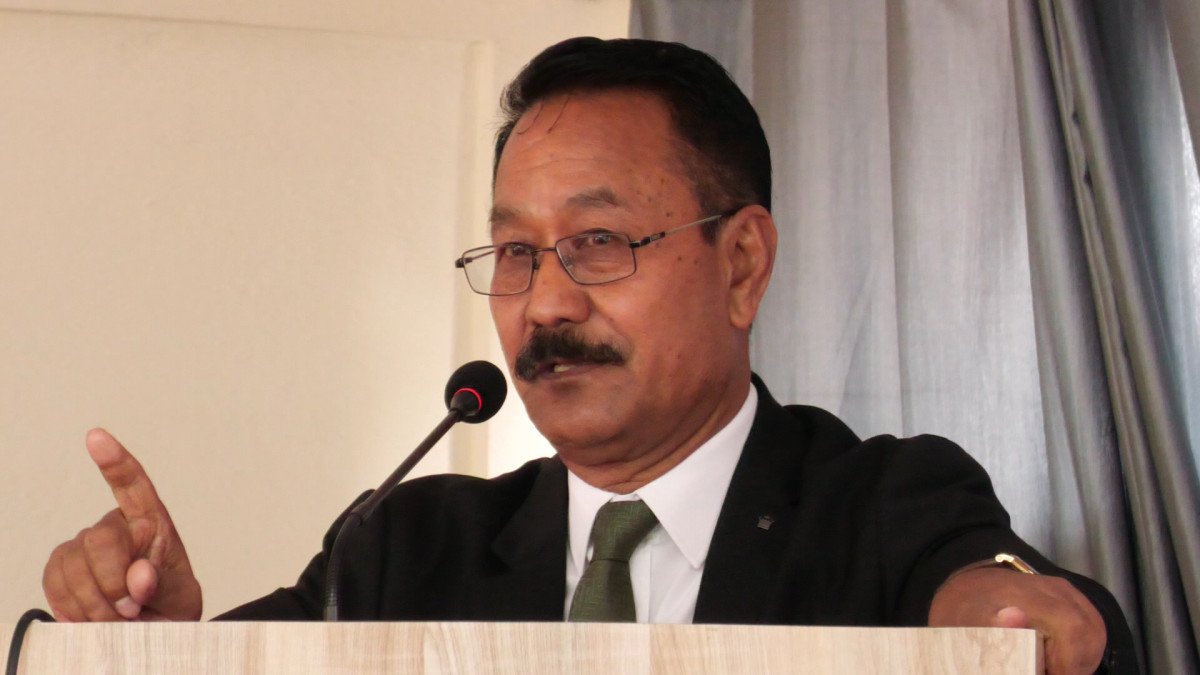
Speaking on behalf of the CPN-UML Parliamentary Party during the special session, lawmaker Tilkumar Menyangbo strongly opposed the arrests of the leaders on a party basis. He recalled the history where political parties had carefully resolved the reactions that arose following major changes in Nepal's political history.
Menyangbo cited examples where, although the Mallik Commission formed after the fall of the Panchayat system and the Rayamajhi Commission formed after the 2062/63 People's Movement recommended action against many, those reports were not made subjects of vendetta, keeping in mind democratic values and norms and the establishment of peace.
'Although there have been instances in many countries where the rulers of the time were executed, Nepal's political environment is different. Cruel rulers here have not faced physical action; this is a characteristic of our country,' he said, 'But the commission formed regarding the incident of Bhadra 23 and 24 and the report it submitted have pushed the country towards conflict.'
This specific news has been automatically translated by AI. As a result, there may be some inaccuracies or language errors.