From Activist to Home Minister: The Controversial Rise of Sudan Gurung
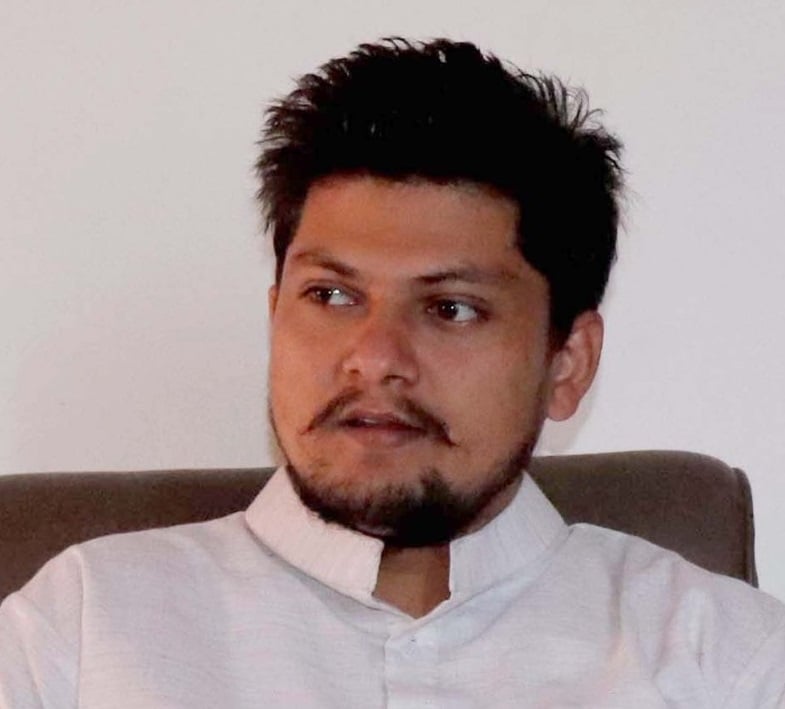

Pokhara. Sudan Gurung, the chairman of the organization named 'Hami Nepal' (We Nepal), is the person who gained the most attention during the Jengji movement. Initially emerging to distribute water to the protestors institutionally, he eventually became the central figure of the movement in its final stages.
Gurung, who previously gained recognition for mobilizing hundreds of volunteers during the earthquake and Covid-19 crises, saw his profile drastically change after the Jengji movement. Many hailed him as a 'hero' for his role in toppling the popularly elected government and forming a new interim government.
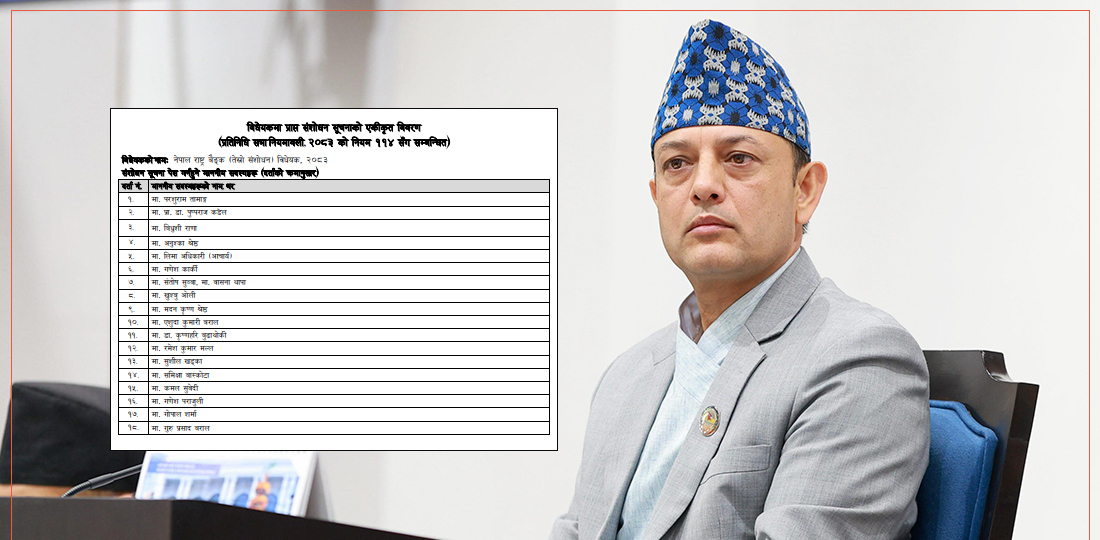
Gurung possesses significant youth appeal. Elected as a Member of Parliament from Gorkha-1, breaking the traditional vote banks of the Congress and Maoist parties, he has ultimately succeeded in securing the responsibility of Home Minister in the cabinet led by Balen Shah.
As much as Sudan Gurung is discussed, the pile of allegations against him is equally mysterious and controversial.
Initially stating he would not enter politics, he championed the cause of good governance and the end of corruption during the Jengji movement. Sudan consistently spoke out against Om Prakash Aryal, who served as the Home Minister in Sushila Karki's government.
Gurung, who initially supported Aryal in becoming Home Minister, gradually became incensed by Om Prakash's activities. Gurung, who was conflicted about upholding or discarding the constitution, continued to complain even after the election date was announced, claiming that experts had misled him into dissolving the parliament.
At a felicitation program held in Pokhara, he accused experts of misleading the process that led to the dissolution of parliament.
Specifically targeting Home Minister Om Prakash Aryal, Gurung stated that the parliament was dissolved because of Aryal and that it was wrong. "He misled us by acting as a legal advisor, and today he is sitting comfortably, boasting in a position stained with blood," he had said. "If the constitution remained as it was and could not be amended, he could have advised that the demands of Jengji would not be met. He did not give us the right advice."
Gurung's argument was that elections should only have been held after immediately amending the constitution.
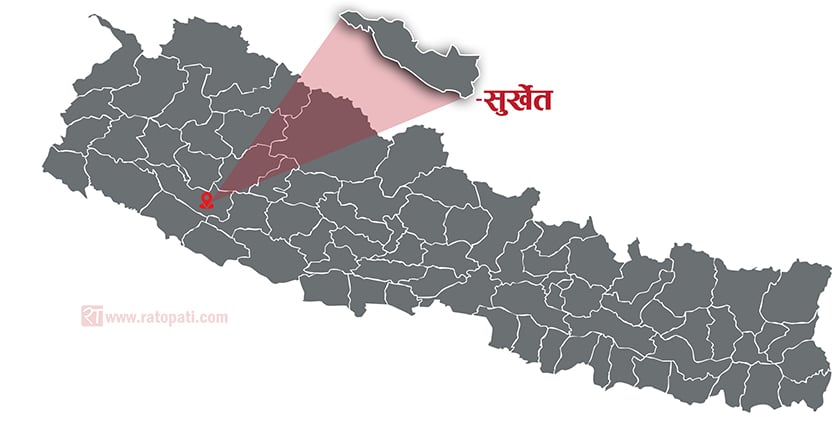
Born into an ordinary family in Chumnubri, a very remote area of Gorkha, Gurung spent much of his time in Kathmandu. After moving from Chitwan to Kathmandu, he rose to prominence as DJ Sudan after working as a call center employee in Thamel. After opening the OMG Club in 2012, he pioneered theme parties, not only earning money from Thamel but also building networks with high-ranking officials.
Then came the devastating earthquake of 2072 BS. Sudan felt compelled to join the rescue efforts. Following consultation with Dr. Sanduk Ruit, he established the organization 'Hami Nepal' and began providing aid.
During the Covid-19 pandemic, he worked meticulously on managing oxygen and ambulances. However, allegations persist that the aid received during that time was opaque.
Nevertheless, Sudan Gurung is an example of how a person from an ordinary background can ascend to a powerful ministerial position through continuous struggle. Another allegation linked to him is his 'closeness with Free Tibet.'
Although he has repeatedly tried to refute this, when questioned about it, Sudan says, "There is a tendency in Nepal to view people with surnames like Gurung or Lama with suspicion. This is wrong."
In any case, DJ Sudan, who spent a long time in clubs, has now been appointed a powerful minister in the permanent government. It remains to be seen how effective he will be in that role.
This specific news has been automatically translated by AI. As a result, there may be some inaccuracies or language errors.

_zp49KLQnq8.jpg)