Ramanavami Festival Celebrated Across Nepal with Devotion to Lord Ram

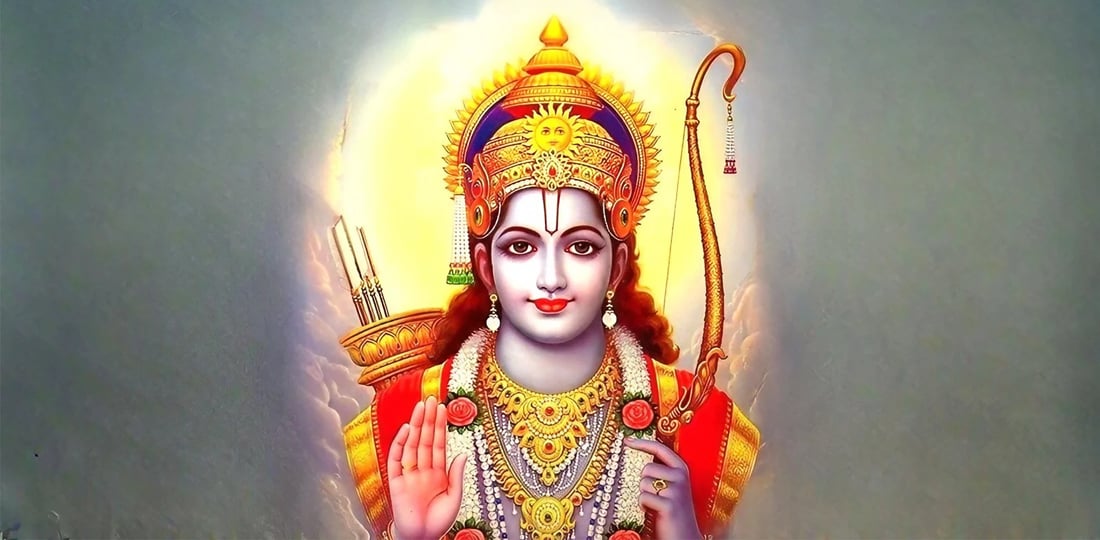
Kathmandu. The festival of Ramanavami is being celebrated across the country today with reverence and devotion to Lord Shri Ramachandra, observed on the ninth day of the bright half of the Chaitra month.
Lord Shri Ramachandra, believed to be the son of King Dasharatha and Queen Kausalya of Ayodhya in the Treta Yuga, was born on this very day, the ninth day of the bright half of Chaitra. He is considered the seventh incarnation of Vishnu. At the time of his birth, the Punarvasu Nakshatra was present. The yoga formed was Cancer ascendant with Jupiter alongside the Moon in the horoscope.
Lord Ramachandra's horoscope featured a rare yoga where five planets—Sun, Mars, Jupiter, Venus, and Saturn—were aligned together. Born on the Navami (ninth day) of the Vasantiya Navaratra, one of the four Navaratras of the year, Ramachandra ended the demonic tendencies and established Ram Rajya (the ideal rule of Ram). According to Dharmashastra scholar and member of the Nepal Panchanga Nirnayak Bikas Samiti, Prof. Dr. Devmani Bhattarai, the significance of celebrating Ramanavami lies in hoping for a ruler who governs with the same dignity, discipline, and control as Ram.
“The state that is still called Ram Rajya, just as all people were happy under Ram's rule, today's rulers should strive to be the same. At that time, the people were also disciplined, dignified, and controlled; this is why Ram is called Maryada Purushottam (the ideal man). This festival holds meaning only if we follow this example,” he said.
Regarding the significance of Ramanavami, according to the Gagratantra Krishna Vachan, worshipping the Ashta Matrikas on Chaitra Ashtami and then worshipping Ramachandra on Navami, along with chanting, recitation, and meditation, leads to the fulfillment of one's desires. On this occasion, Ramlila performances are staged in Janakpur, Nepal, and Ayodhya, India. According to scriptural belief, worshipping the Goddess on Ramanavami day followed by the worship and adoration of Ramachandra bestows 'Shri' (prosperity).
It is said that in ancient times, the Vasantiya Navaratra was considered the main Dashain, but due to intense heat, it began to be celebrated in Ashwin (month). The Navaratras in Chaitra and Ashwin are celebrated with significance as 'Jagrat Dashain' (Awakened Dashain), while the Navaratras in Poush and Shrawan are called 'Susupta Dashain' (Dormant Dashain).
Similarly, the Vratarka text's Agastya Samhita mentions that observing fasts and worshipping Ramachandra with devotion on the ninth day of the bright half of Chaitra destroys the sins of many lifetimes and leads to residence in Vaikuntha (heaven).
On the occasion of Ramanavami, celebrated to commemorate the victory of truth over falsehood and in remembrance of Lord Shri Ram, prayers are offered at temples dedicated to Lord Ramachandra. Today, a large crowd of men and women from Nepal and India gathers at the Ram Janaki Temple in Janakpur.
There is a tradition of observing fasts, bathing in holy rivers, ponds, and kunds, reciting Ram Gita, spiritual texts, Valmiki, Tulsikrit, and Bhanubhakta's Ramayana, worshipping Lord Ram, and singing devotional songs throughout the night, commemorating the birth of Lord Shri Ram in Ayodhya, India, on this very day in the Treta Yuga.
It is mentioned in the religious text 'Vratarka' that observing a fast and engaging in the worship, chanting, and meditation of Shri Ram on this day fulfills one's desires and leads to residence in Vaikuntha in the next life.
Religious texts mention that Ramanavami is celebrated in memory of Shri Ram, who was born as the seventh incarnation of Lord Vishnu, the eldest son of King Dasharatha of Ayodhya. After marrying Sita, the daughter of King Janak of Mithila, Shri Ram destroyed the sinful and wicked demons of the world and inspired humanity to follow the path of truth by readily accepting his father's strict command. This is why the Ramanavami festival began to be celebrated in his remembrance.
This specific news has been automatically translated by AI. As a result, there may be some inaccuracies or language errors.