Newly Elected Parliamentarians Take Oath Amid Shifting Political Landscape

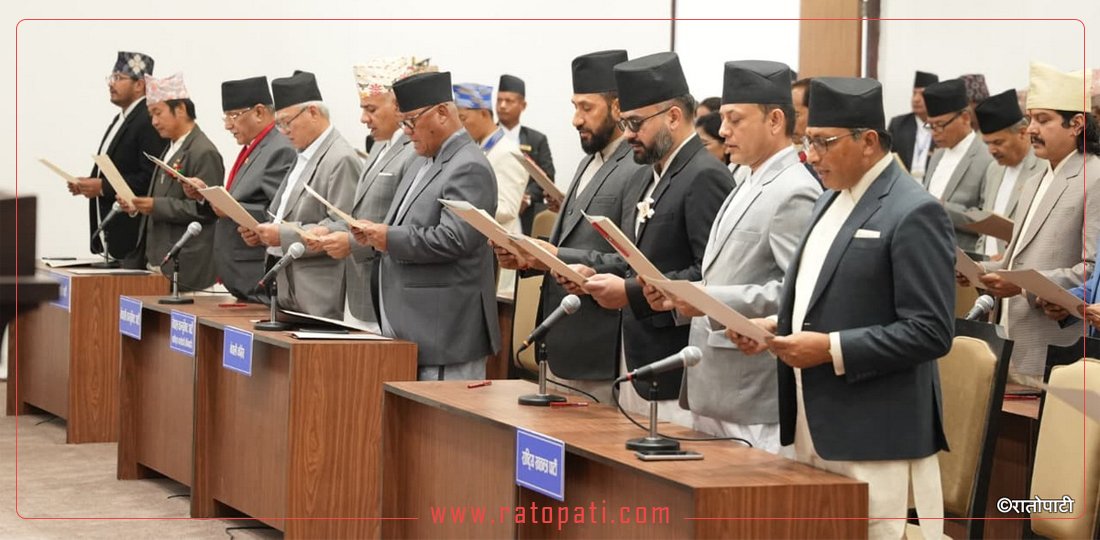
Kathmandu. Those elected as members of parliament through the first-past-the-post and proportional representation systems in the general election held on February 21st took the oath of office and secrecy on Thursday.
A total of 274 parliamentarians took the oath in the Parliament building under construction at Putali Bagaincha in Singha Durbar. The eldest member among the elected, 78-year-old Nepali Congress MP Arjun Narsingh KC, administered the oath of office and secrecy to the 274 parliamentarians.
The oath-taking ceremony appeared different from the House of Representatives formed in previous elections. Most key leaders of the major parties, which traditionally introduce themselves as large parties, were absent from the ceremony. Nepali Congress President Gagan Thapa, CPN-UML Chairman KP Sharma Oli, and Rastriya Prajatantra Party Chairman Rajendra Lingden were defeated in the election and thus could not attend the oath-taking ceremony.
Not only the chairpersons, but the number of seats for these parties has also been drastically reduced following the election.
_huuZFj2DLm.jpg)
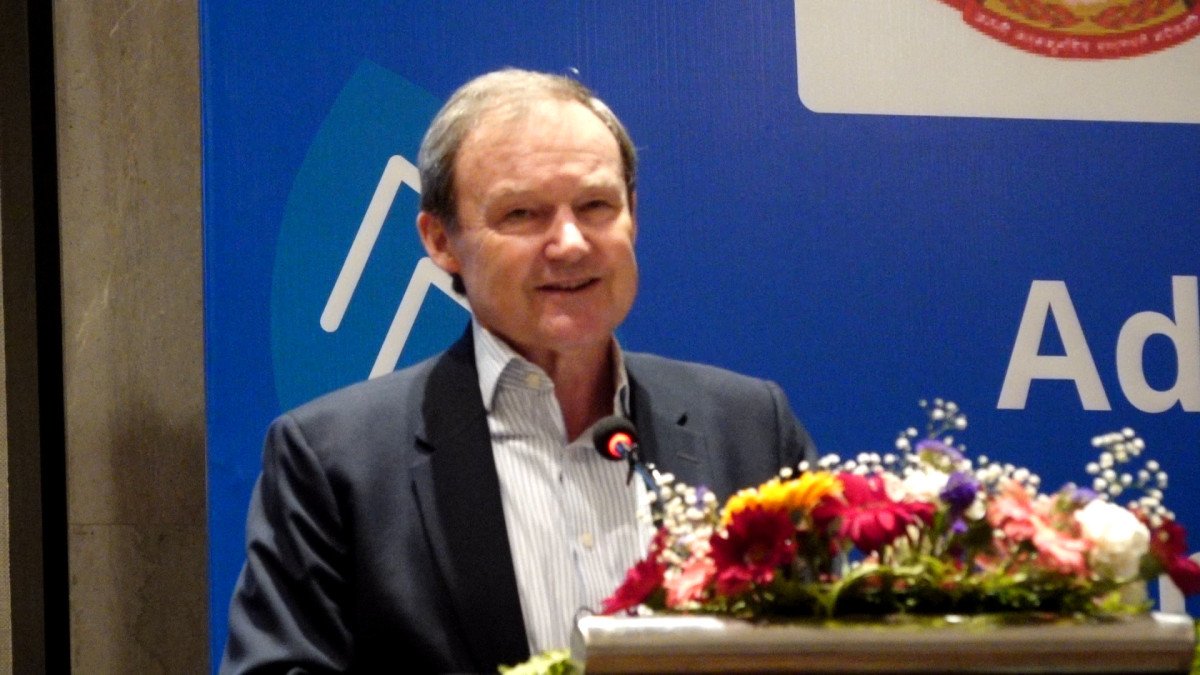
The joy among the parliamentarians of the Rastriya Swatantra Party (RSP), which secured an easy majority, and the accompanying assisting leaders was distinct. Media personnel and well-wishers were mostly advising RSP parliamentarians not to miss the opportunity to change the country. Following such advice, RSP Vice-Chairman Dr. Swarnim Waglé stated that he would make an honest effort towards governance reform as a parliamentarian.
"As parliamentarians, we will make a very honest effort to bring about reform," Waglé said, "We will work according to our manifesto."
RSP Joint General Secretary Bipin Acharya stated that the responsibility given by the people has made them serious. "We are serious because of the responsibility the people have given us through the election," Acharya told journalists, "We will try to convert their trust into confidence."
Parliamentarians from other parties did not give many reactions. Some leaders from certain parties were saying they would cooperate because RSP had an outright majority, while others indicated a strategy of cooperation or opposition based on merit and demerit.
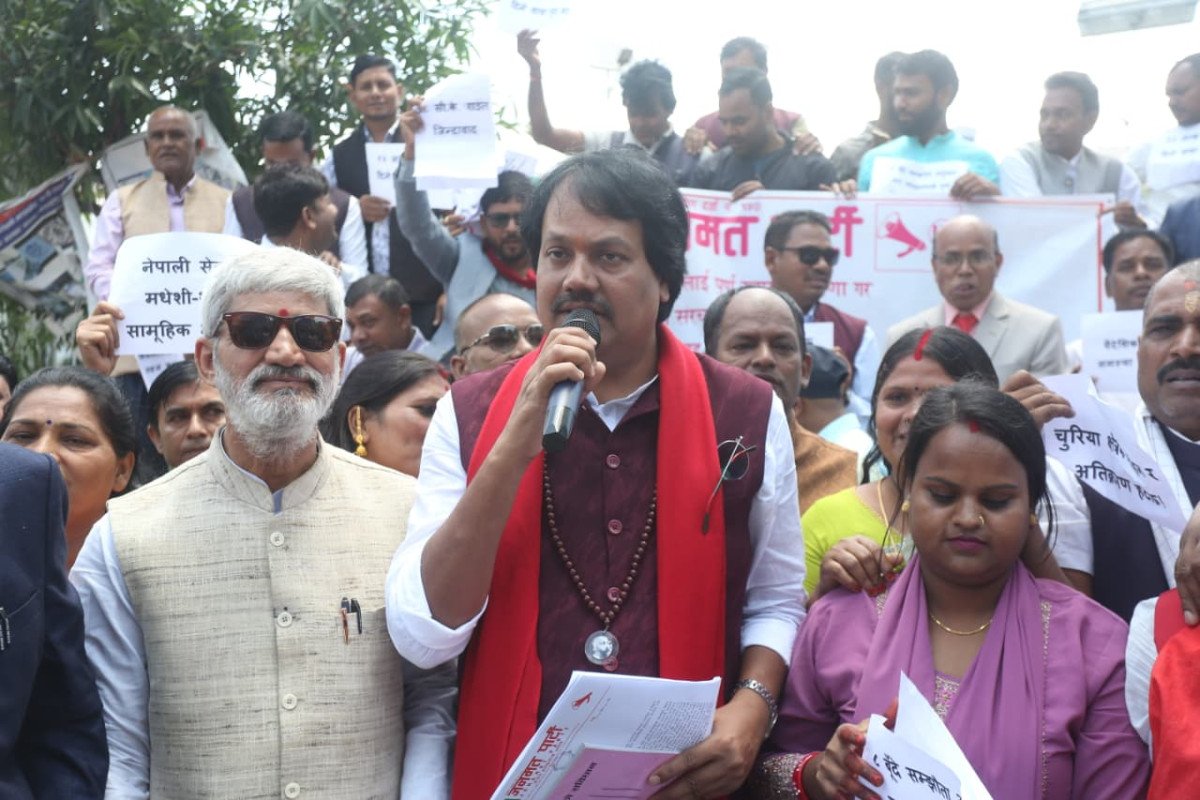
CPN (Maoist Centre) Chairman and former Prime Minister Pushpa Kamal Dahal 'Prachanda' stated that his party would support the government in positive endeavors. Speaking to journalists, he said, "I congratulate and wish well to the friends who formed the government with a majority. There will be support for positive and constructive work."
Rastriya Prajatantra Party (RPP) MP Gyan Bahadur Shahi stated that even though the opposition has fewer numbers, they are ready to cooperate for the rule of law, saying it doesn't matter. "We will play whatever role is necessary for the rule of law. We welcome good governance and will keep a watch on corruption," Shahi said.
Congress and UML parliamentarians did not appear to react with much enthusiasm. Although they gave sporadic reactions, enthusiasm was not visible on their faces.
The shrinking of the old parties was evident even from the way the 'rows' were separated in the oath-taking hall. RSP parliamentarians occupied more than half of the hall's seating area. The Federal Parliament Secretariat arranged for the parliamentarians of the Nepali Congress, CPN-UML, and CPN (Maoist Centre) to sit in the same 'row'. The Secretariat provided one 'row' for all three parties, referring to them as opposition parties. In the seats at the front of that row, CPN (Maoist Centre) Chairman Prachanda and UML Vice-Chairman Ram Bahadur Thapa 'Badal' sat side-by-side in traditional attire. Two Congress parliamentarians sat in the very front row. Former Joint General Secretary Bhishma Raj Angdembe and Mohan Acharya sat in the front 'row'.
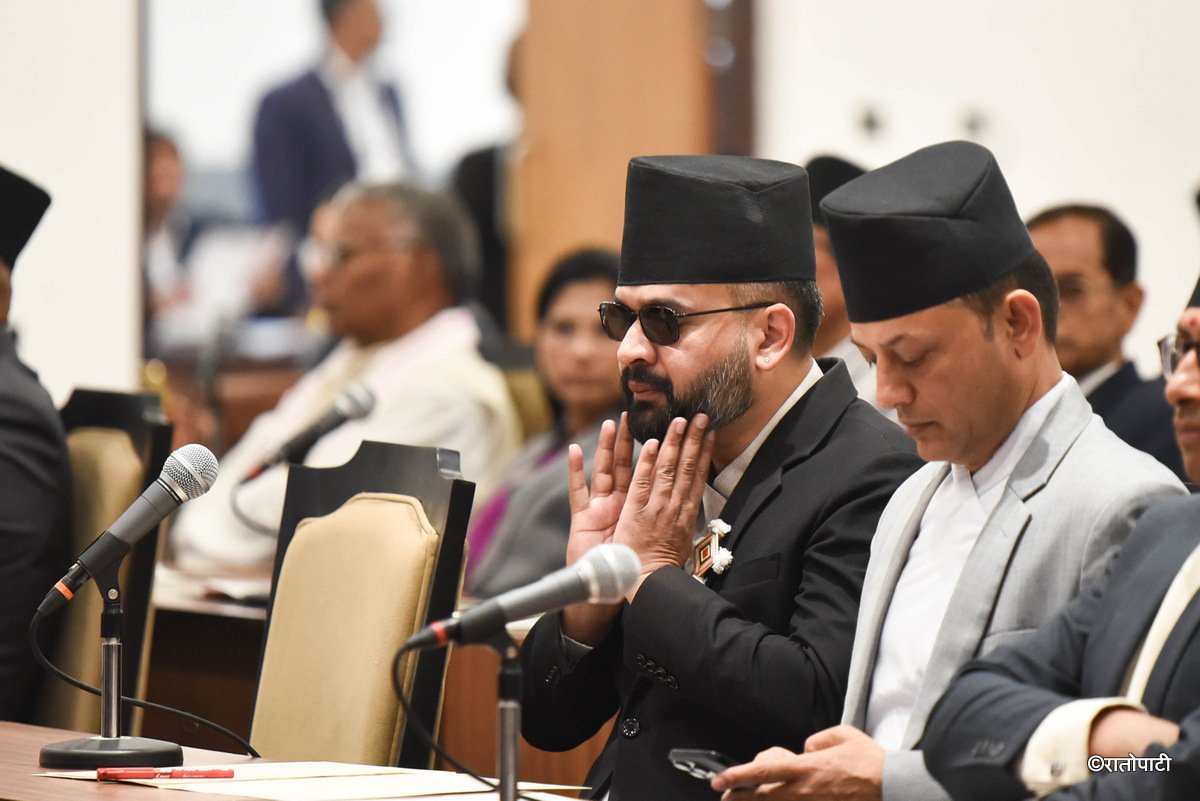
In one row, RPP's Gyanendra Shahi and the Chairman of the Shram Sanskriti Party, Harka Sampang, sat together in the first seat.
In the RSP 'row', party President Rabi Lamichhane sat in the very first seat, followed by senior leader Balendra Shah. As Shah is certain to be appointed Prime Minister on Friday, RSP parliamentarians were seen scrambling to take pictures with him. RSP Vice-Chairmen DP Aryal and Dr. Swarnim Wagle sat alongside Lamichhane and Shah. The RSP appeared to occupy three rows. The leadership of another 'row' was taken by General Secretary Kabindra Burlakoti.
This specific news has been automatically translated by AI. As a result, there may be some inaccuracies or language errors.