Inquiry Report Points to Former PM KP Sharma Oli's Ineffective Leadership During Gen Z Protests


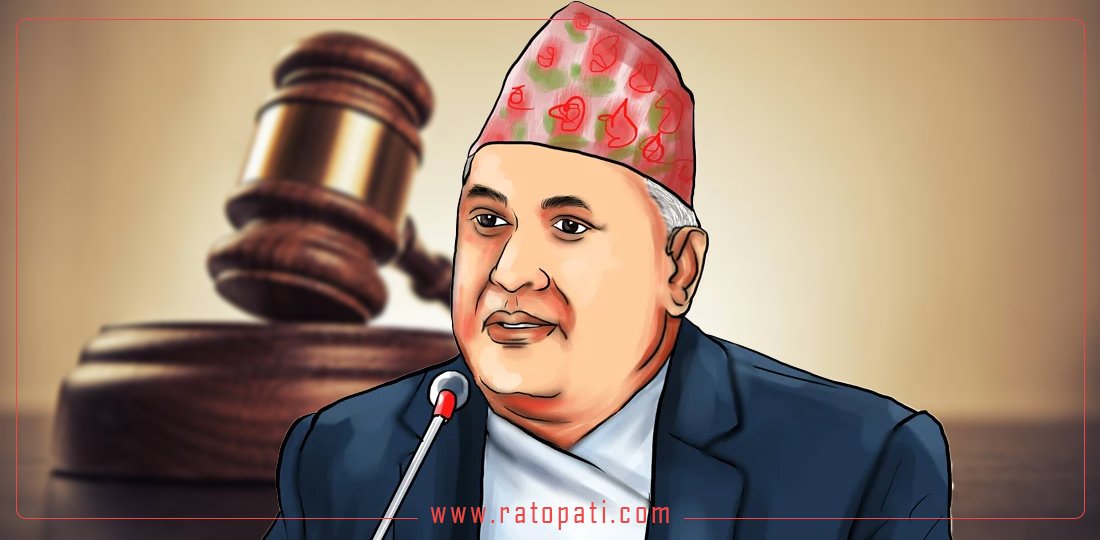
Kathmandu. In Nepal's current governance system, the Prime Minister is considered the linchpin of the system and the chief executive, who must be fully supported by the Council of Ministers and the bureaucracy. Although the ultimate responsibility for every good deed and every misdeed in the country rests on the shoulders of the Prime Minister, the report from the investigation commission has pointed out that the then Prime Minister KP Sharma Oli failed to effectively discharge his responsibilities during the Gen Z movement.
As the head of the government, Oli had direct accountability for the actions of subordinate bodies, yet serious weaknesses in his leadership were evident in the incidents of Bhadra 23 and 24. It was during Oli's tenure that the National Investigation Department was, for the first time, removed from the Ministry of Home Affairs and brought under the direct supervision of the Prime Minister and the Office of the Council of Ministers so that the Prime Minister could monitor it directly. However, the incident on Bhadra 23 confirmed how weak this department was in the areas of intelligence gathering, analysis, and cybersecurity.
The department made an incorrect projection that only 3 to 5 thousand people would take to the streets that day, which resulted in lax security preparations. The commission concluded that the Prime Minister's Office made no concrete efforts to make such an important agency powerful and technologically advanced.
Following the horrific incident in the capital on the afternoon of Bhadra 23, a meeting of the National Security Council was held that same evening. It appears that Oli took the matter lightly, instead of assessing potential further risks for the following day and deploying security agencies in a planned manner during that meeting.
Although there were verbal discussions in the meeting about forming a high-level investigation committee, no written decision was made, leading the state mechanism not to take the situation seriously. Furthermore, the ban imposed on 26 social media platforms and its subsequent lifting based on the verbal order of the Minister of Communications without proper study further increased security challenges, about which no concrete discussion or analysis took place in Baluwatar.
On the evening of Bhadra 23 itself, Oli had the option to impose a curfew for the next day or mobilize the army for law and order. However, because the National Security Council could not make any concrete decision, the country suffered irreparable loss of life and property on Bhadra 24.
Especially, the Prime Minister received direct reports of the clash between protestors and security personnel for about four hours in front of the Federal Parliament building on Bhadra 23.
The then Home Minister stated in his testimony that he had informed the Prime Minister about this matter. The report mentions that despite widespread discussion of the incident on social media, Oli made no effort to calm the situation or mitigate the risk.
In the deteriorating situation, the Prime Minister could have coordinated and effectively mobilized security agencies, initiated efforts to stop firing immediately, or coordinated with the Army Headquarters to deploy the army on the streets to create a deterrent effect on the protestors.
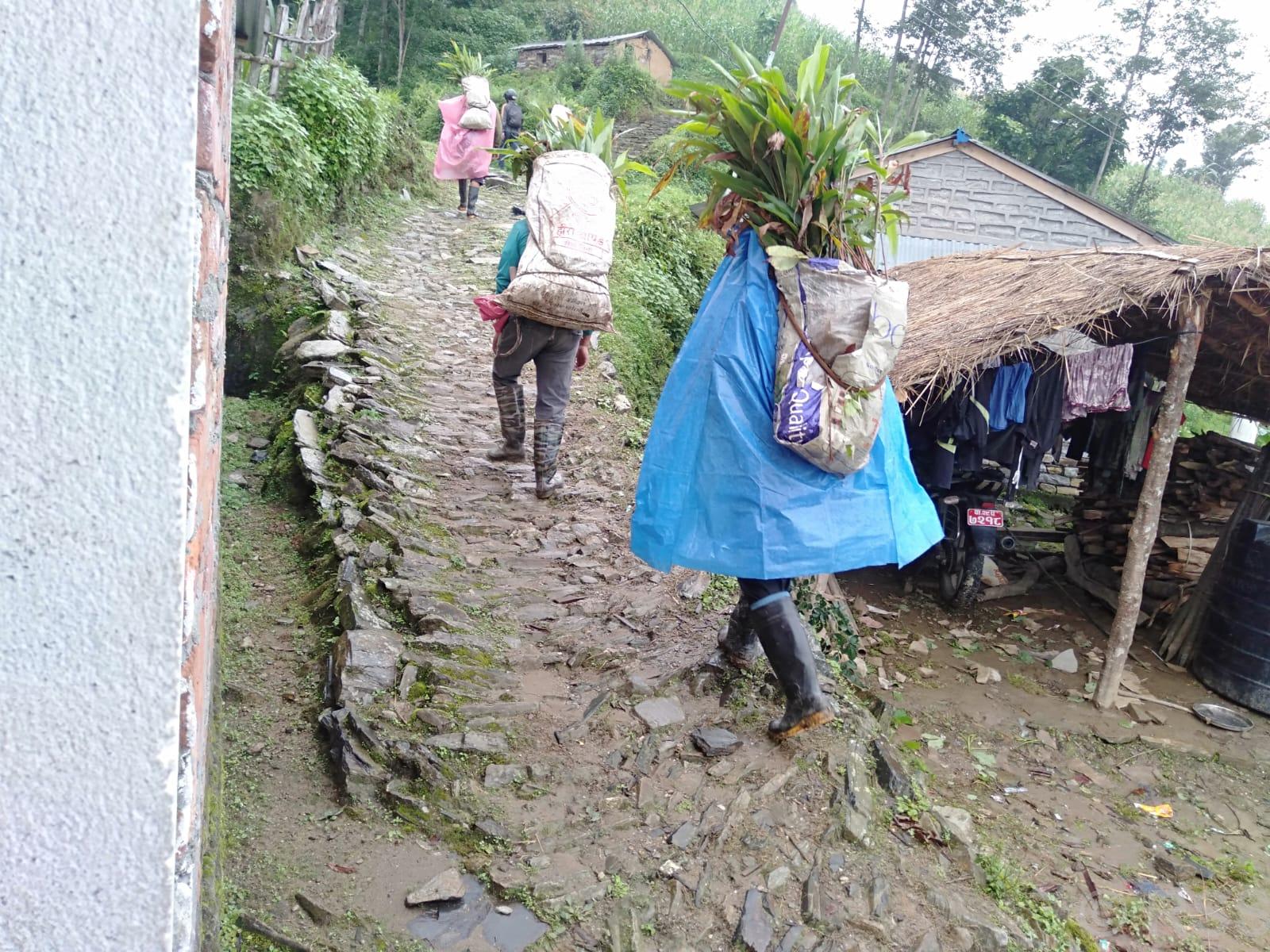
The report concludes that if this had been done, the number of casualties could have been significantly lower. However, because Oli, as the executive head of the country, failed to take necessary steps in time and left the security apparatus directionless, the Gen Z movement escalated, ultimately leading to situations of arson and looting even in sensitive locations like Shital Niwas and Singha Durbar.
This specific news has been automatically translated by AI. As a result, there may be some inaccuracies or language errors.