Investigation Report Reveals 29 Deaths in 'Genji' Protests Following Police Firing in New Baneshwor


Kathmandu. It has been found that 29 people died from the police firing on 'Genji' protestors who took to the streets on Bhadra 23 last year. This statistic is included in the report submitted nearly three weeks ago by the high-level investigation commission formed under the leadership of former Justice Gauribahadur Karki to investigate the 'Genji' protests of Bhadra 23 and 24.
Janastha published excerpts of the report on Wednesday, claiming to have obtained the document which the government had kept confidential. The commission submitted two reports, totaling 907 pages, to Prime Minister Sushila Karki on Falgun 24, after completing its study. The cabinet meeting chaired by Karki, who became Prime Minister on the strength of the 'Genji' movement, had formed the three-member commission under former Justice Gauribahadur Karki on Ashoj 5.
According to Janastha.com, page 726 of the report submitted to the government states: 'It is seen that 17 protestors died on the same day from the firing that occurred from the Parliament complex on Bhadra 23, 2082, and 12 protestors who were shot that day died later.'
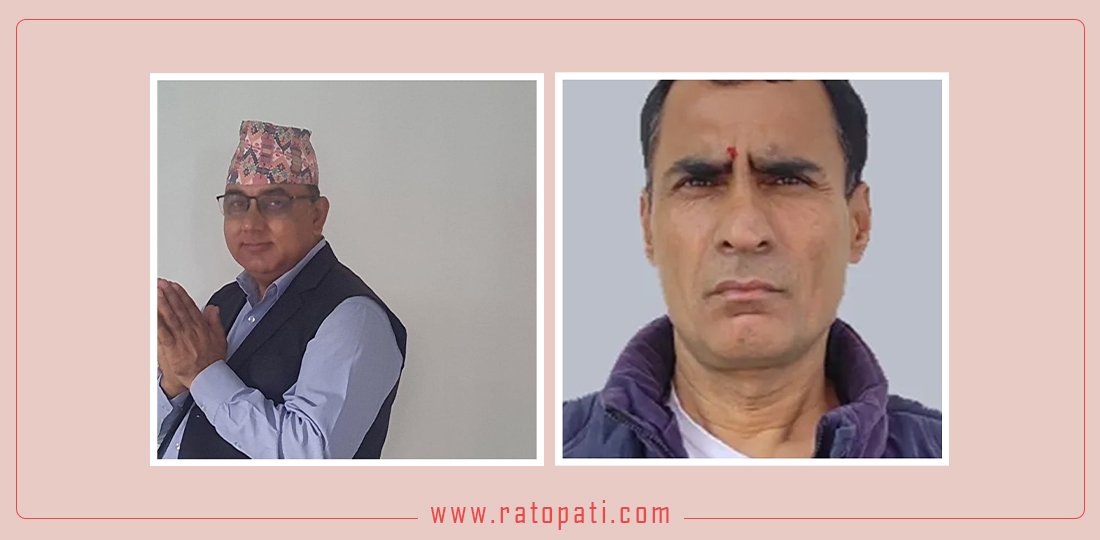
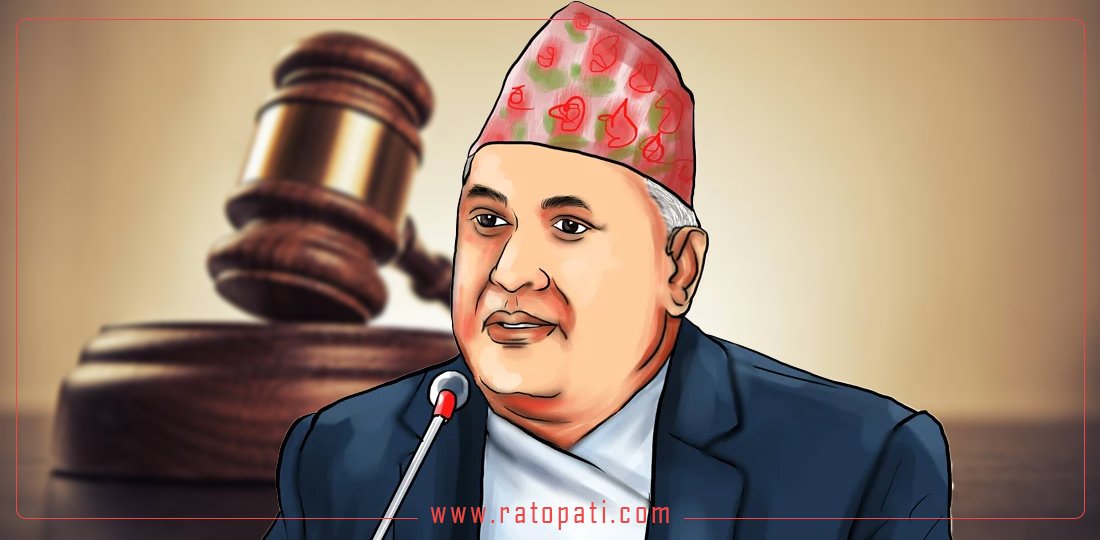
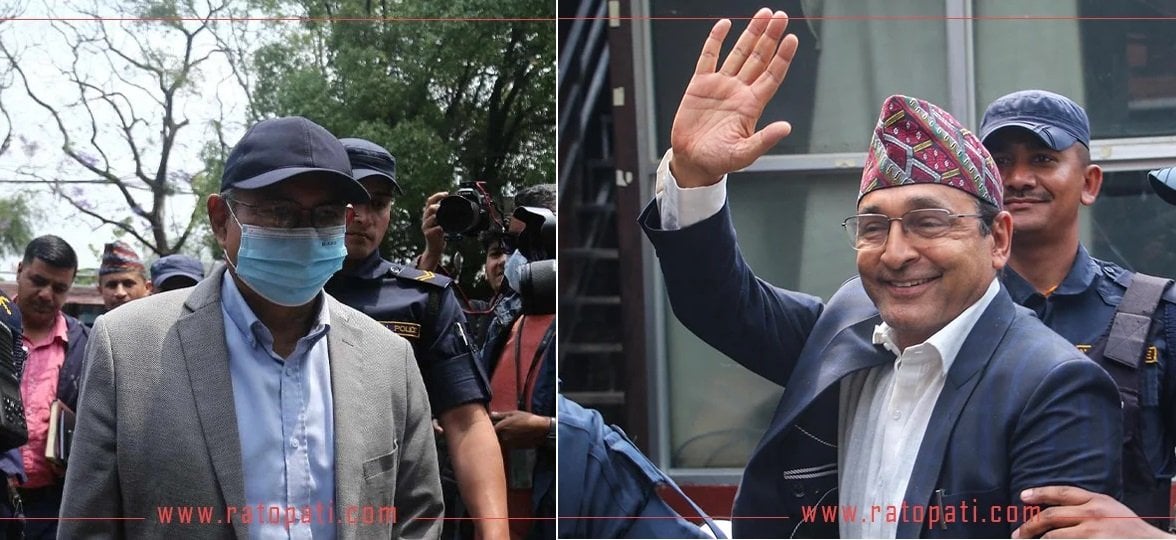
Janastha cited the report, which recommended jail sentences ranging from three to ten years for then-Prime Minister KP Sharma Oli, Home Minister Ramesh Lekhak, and Inspector General of Police Chandrakuber Khapung. Furthermore, the report recommended action under Section 182 of the Muluki Criminal Procedure Code, 2074, against then-Home Secretary Gokulmani Dawadi, IGP of the Armed Police Force, Nepal Raju Aryal, then-Director of the National Investigation Department Hutraj Thapa, and Kathmandu's Chief District Officer Chabilal Rijal.
The report also recommended action against 8 officers from Nepal Police and Armed Police Force. The confidential report obtained by Janastha.com recommended action against 8 officers in total: 5 from Nepal Police and 3 from the Armed Police Force.
The report obtained by Janastha.com also raised serious questions about the role of the Nepali Army. The commission concluded that the army's role in the 'Genji' protests was questionable. The commission pointed out that the army failed to secure key administrative centers like Singha Durbar, the Supreme Court, and other government and historical structures. The report also mentions conversations between protestors regarding jailbreak attempts and discord.
This specific news has been automatically translated by AI. As a result, there may be some inaccuracies or language errors.