Escalating West Asia Tensions Threaten Nepali Economy Through Fuel Prices, Remittances, and Trade Disruptions


Kathmandu. The escalating military tensions in West Asia are beginning to have a direct negative impact on the Nepali economy and the lives of its citizens. The growing conflict between the United States, Israel, and Iran is affecting Nepal's economic cycle through rising petroleum prices, concerns over the security of Nepalis working abroad, and increased transportation costs.
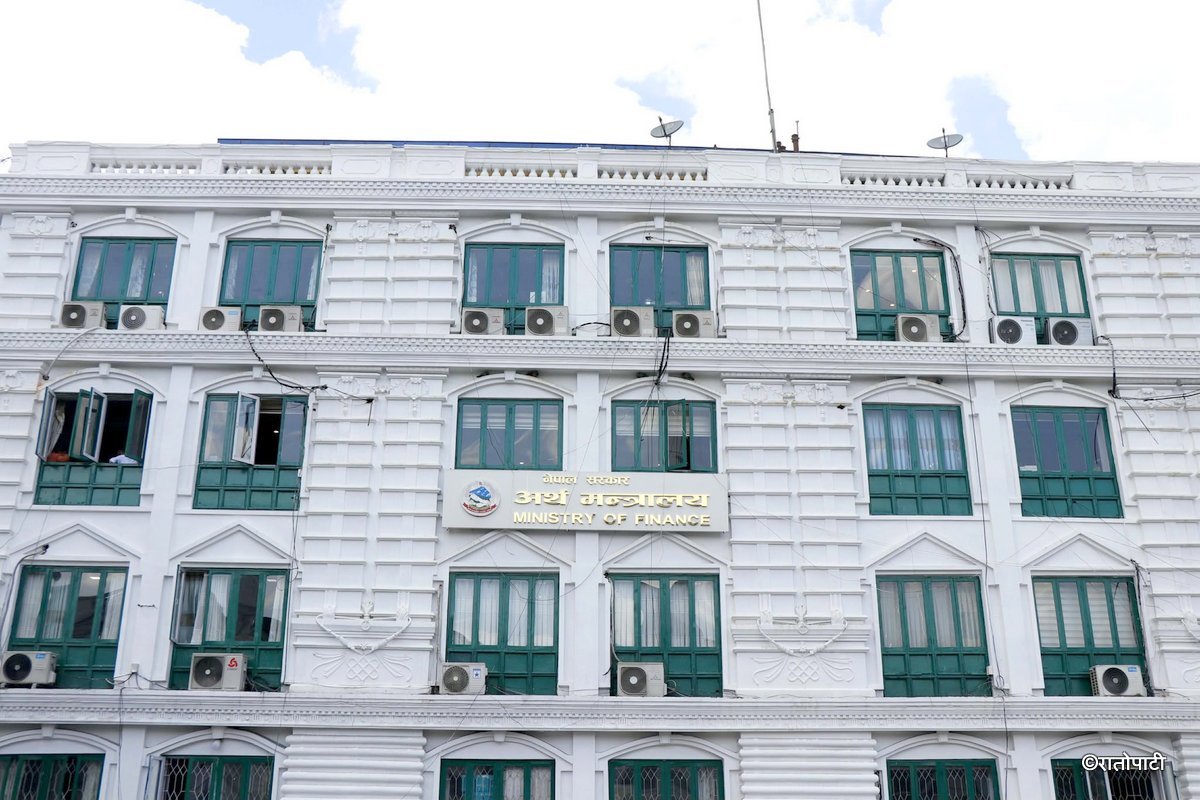
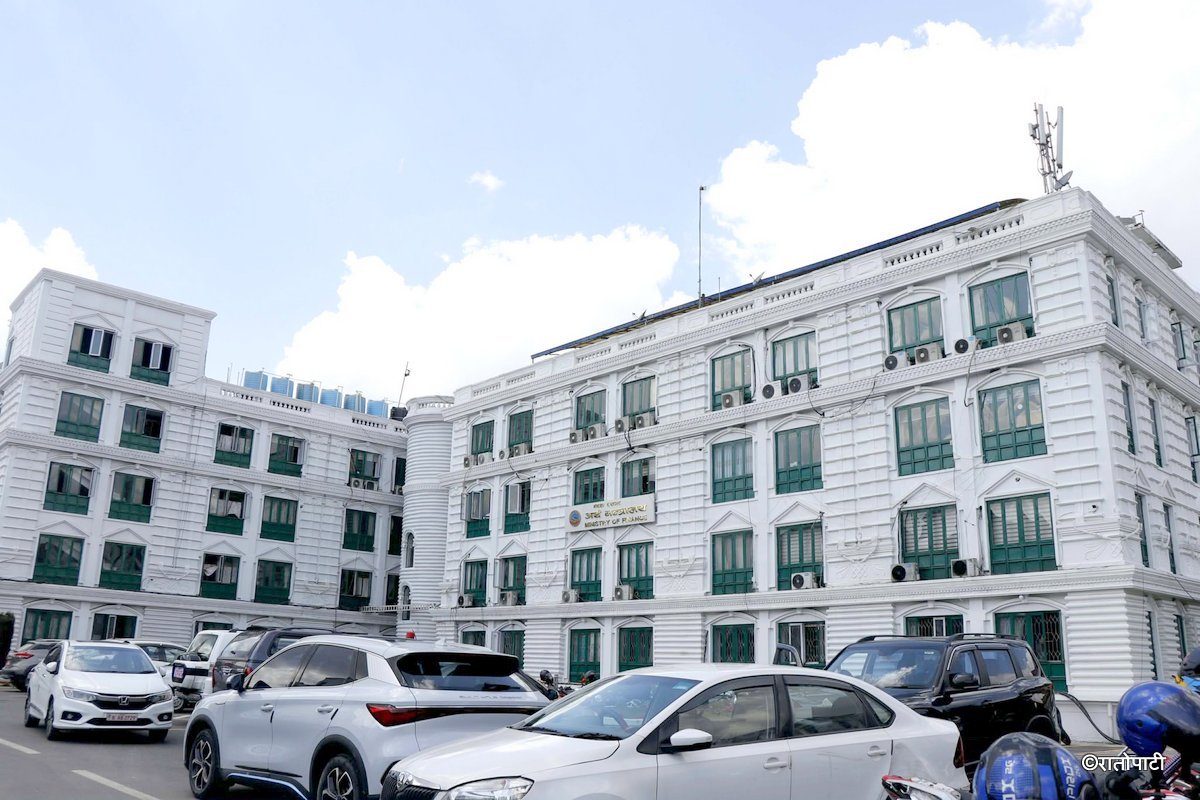
According to the Ministry of Finance, the current tension in West Asia is certain to inflict a deeper and more multifaceted blow on Nepal than the preceding Russia-Ukraine war.
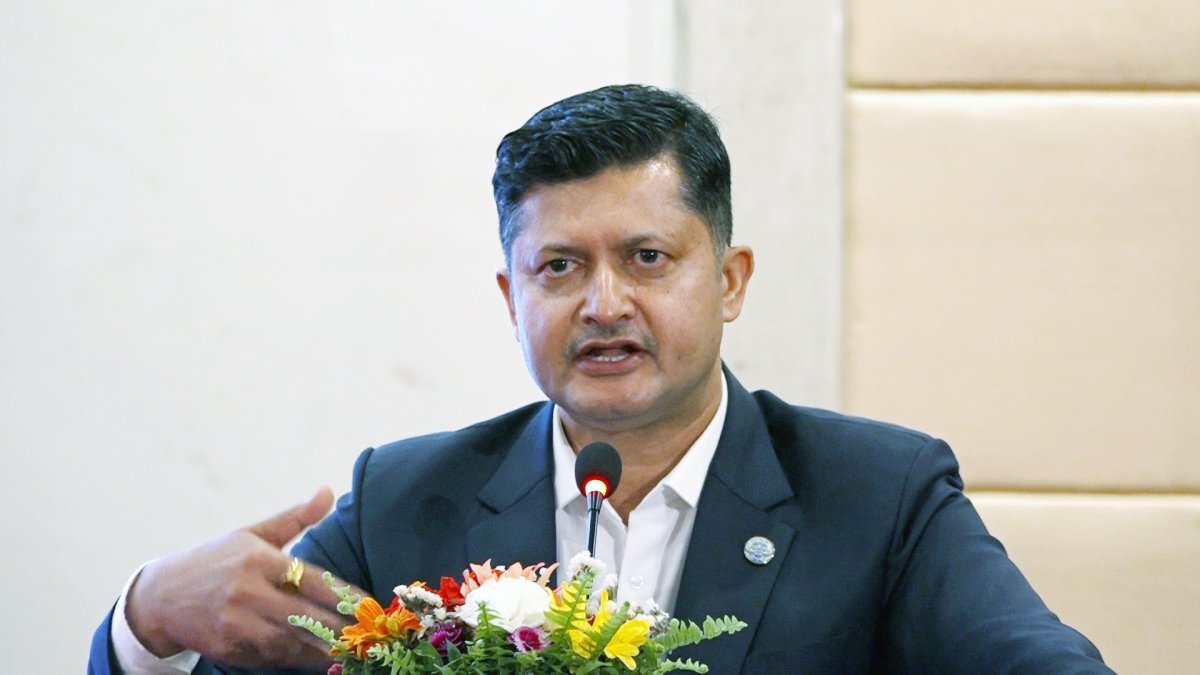
Joint Secretary of the Ministry of Finance, Tanka Prasad Pandey, stated that the first impact of the West Asia tension on Nepal's economy is visible in the price and supply of petroleum products.
Since goods arriving from third countries pass through the West Asia route, shipping costs have become expensive, which will directly affect the general consumers. Difficulties in importing raw materials necessary for industries are expected to increase production costs and further escalate market inflation.
It is estimated that this conflict will deliver the biggest shock to remittances, considered the backbone of the Nepali economy. Currently, about 1.7 to 1.8 million Nepali workers are employed in various West Asian countries. Joint Secretary Pandey mentioned that instability there will reduce remittance inflows, and if a large number of workers have to return to Nepal, managing them will be another major challenge for the state.
The war has also cast a shadow over the tourism and agriculture sectors. The risk of the tourism industry collapsing has increased due to a decline in the number of tourists from Europe and America who use the Gulf region as a transit point. Furthermore, the war could lead to a shortage of chemical fertilizers, which is expected to reduce agricultural output and negatively affect the country's Gross Domestic Product (GDP) growth rate.
While the Government of Nepal desires a swift resolution to the war in this critical situation, the ministry has begun studying alternative strategies to avert potential crises. According to Joint Secretary Pandey, a work plan is being developed to identify alternative sources for gas and energy, ensure the security of Nepalis working abroad, and facilitate their safe return if necessary.
The Ministry of Finance is also preparing to review upcoming economic policies after identifying sectors that could be affected by the conflict.
This specific news has been automatically translated by AI. As a result, there may be some inaccuracies or language errors.