Nepal Finalizes Budget Calendar for Fiscal Year 2083/84 Amidst Political Transition


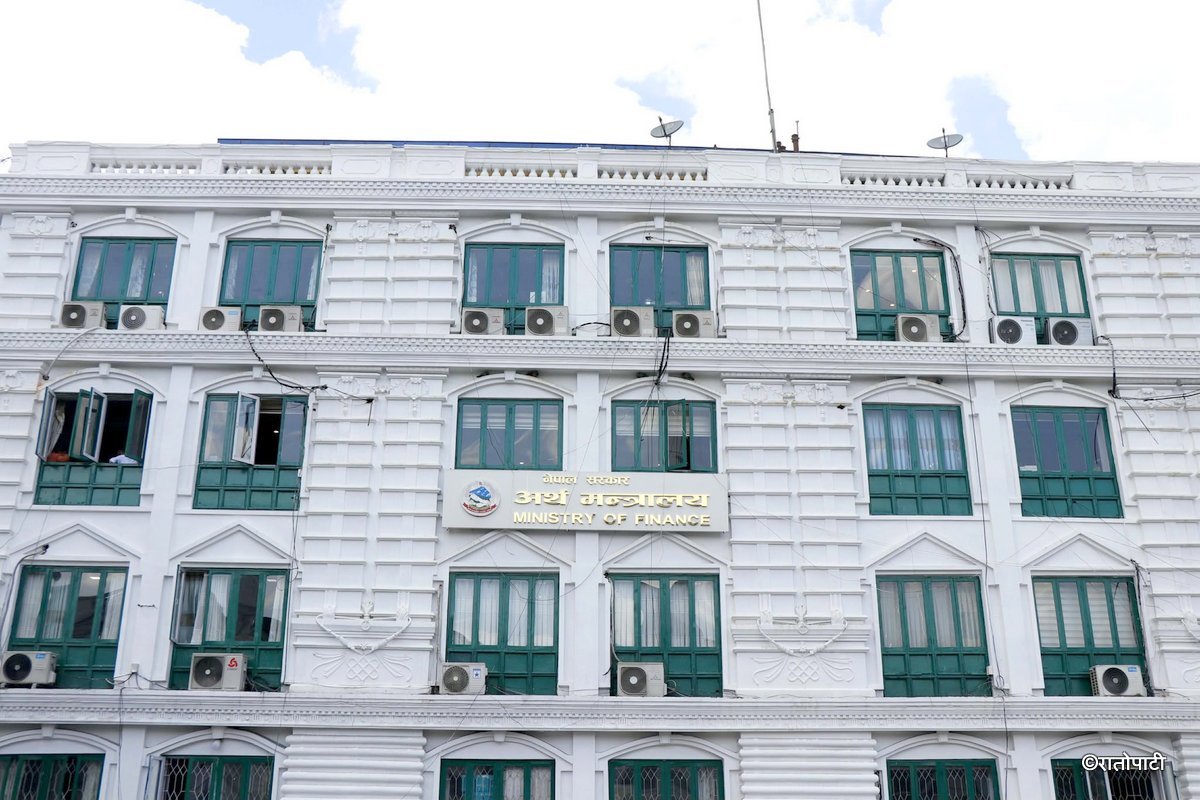
The budget calendar for the upcoming fiscal year 2083/84 has been prepared, requiring all line ministries to submit their plans and programs by Chaitra 15 (mid-March/early-April).
Even with a new government yet to be formed following the House of Representatives elections, all ministries must mandatorily enter their proposed plans and programs for the next fiscal year into the Ministry-wise Budget Information System (LMBIS) by Chaitra 15, as per the budget calendar.
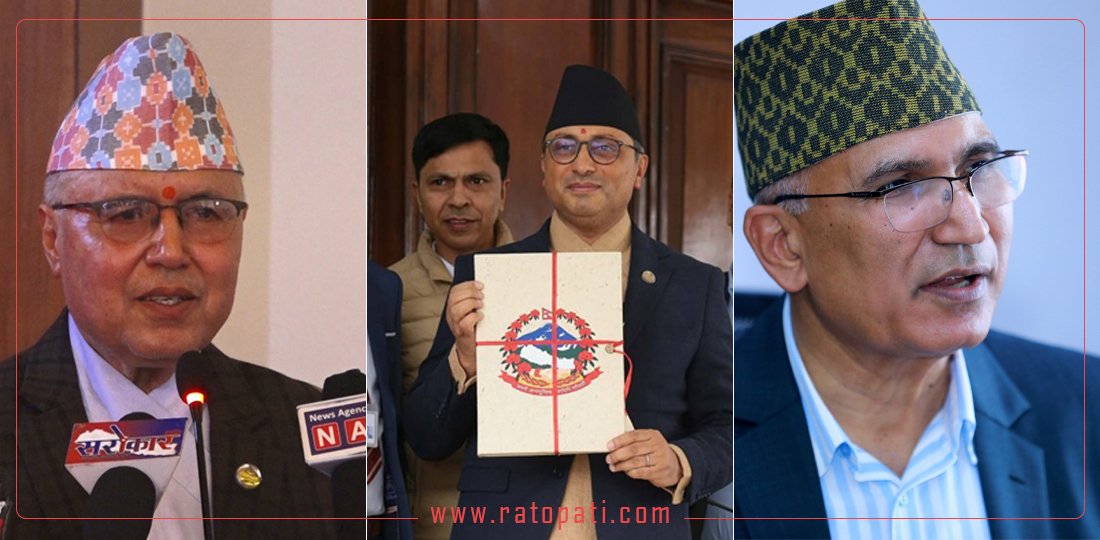
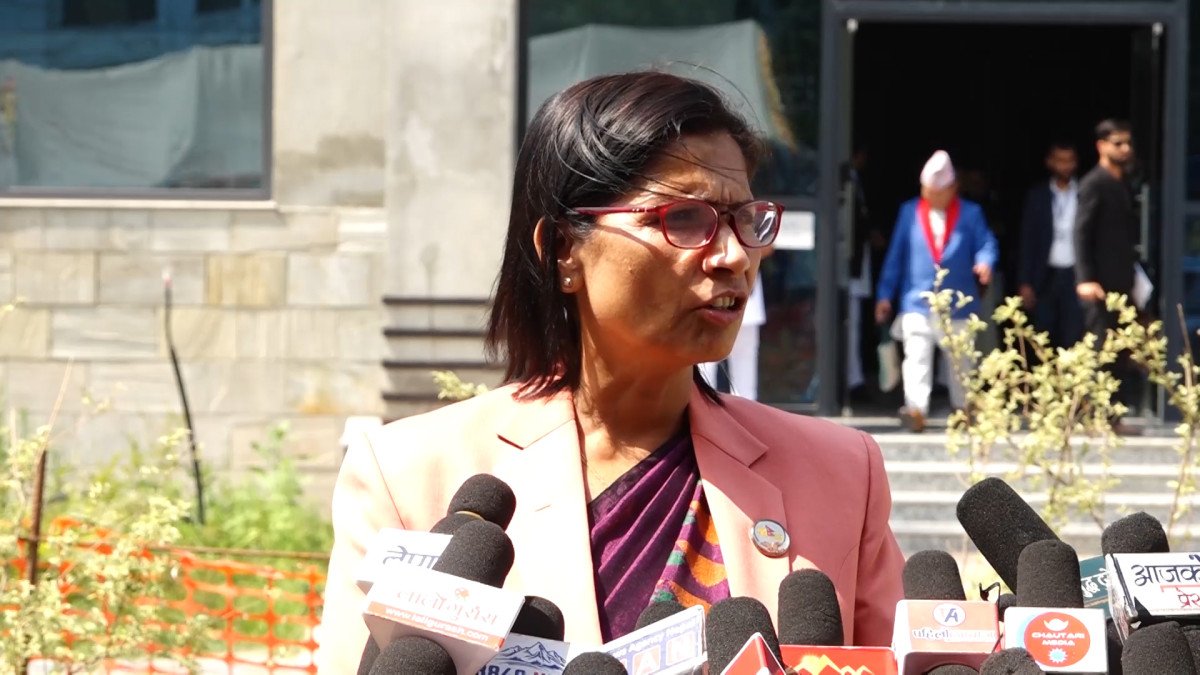
Ministry of Finance Spokesperson Tanka Prasad Pandey stated that all ministries have been provided with the budget ceiling (ceiling) for the next fiscal year and instructed to enter their plans and programs into LMBIS by Chaitra 15 accordingly. He noted that the budget formulation process must proceed despite the policies and programs of the incoming government not yet being clear.
“The budget is not just an economic matter but is also linked to political policy. The plans and programs for the next fiscal year must be determined by considering what policies and programs the new government will formulate, and how the issues mentioned in the election manifesto will be addressed in the budget,” he said.
Spokesperson Pandey also informed that the Revenue Advisory Committee is currently studying the government's tax policy for the upcoming fiscal year, and the preparation of the Economic Survey and the progress report of public enterprises (Yellow Book) is also underway.
The work to prepare the budget for the upcoming fiscal year 2083/84 actually began in Poush (late December/early January). According to the budget formulation schedule prepared by the Ministry of Finance, the National Resource Estimation Committee has already prepared and submitted the forecast for available resources and expenditure limits (budget ceiling) for the next three years to the Ministry of Finance, which has subsequently sent the budget ceiling to all line ministries. The National Planning Commission has indicated that the ceiling has been prepared to present a budget of approximately Rs 18.90 trillion for the next fiscal year.
The delay in forming a new government has affected the work of preparing the policies, programs, and expected achievement indicators that need to be included in the budget. Due to political instability repeatedly causing delays in budget preparation, a legal provision was introduced to mandate the presentation of the budget in parliament by Jestha 15 (late May/early June).
As is common every year, the budget formulation process being affected has led to repeated amendments to the Financial Procedures and Fiscal Responsibility Act and Regulations. This year too, the budget formulation schedule set by the Act and Regulations appears to be affected.
According to this year's budget formulation schedule, the budget preparation process should accelerate from Chaitra (mid-March/mid-April). The schedule sets a timeline for the Budget and Program Division to hold detailed discussions on proposals received from ministries between Chaitra 1 and 20, and to collect suggestions from citizens, experts, and stakeholders through public notice from Chaitra 15 to Jestha 10. Furthermore, the schedule requires all line ministries to submit their budget proposals via the LMBIS system by Chaitra 15.
Additionally, a schedule has been prepared for discussions between the Finance Minister, relevant ministers, and secretaries regarding the main programs and principles of the budget from Chaitra 21 to 23. Moreover, discussions will be held with members of parliament regarding provincial budget objectives, priorities, and programs from Chaitra 26 to 28.
A meeting of the Intergovernmental Fiscal Council will also take place during this period. From the last week of Chaitra through mid-Baisakh (mid-April to mid-May), the agenda includes discussions with provincial ministries of finance and planning regarding conditional grants and other matters.
In Baisakh (mid-April to mid-May), the technical and policy preparation of the budget will intensify. During this period, foreign aid, loans, and international resources will be finalized. Suggestions will also be collected from representatives of political parties, former finance ministers, former governors, economists, and experts.
The draft of the principles and priorities of the Appropriation Bill will be finalized by Baisakh 25, and the Economic Survey will be finalized and sent for publication. Furthermore, the progress reports of line ministries and public enterprises must be sent for printing by Baisakh 20.
In Jestha (mid-May to mid-June), the process of finalizing the budget will move forward. The principles and priorities of the Appropriation Bill must be presented to the parliament at least 15 days before the budget is presented in the house. A draft of the initial expenditure estimate will be ready by Jestha 6, and a draft must be prepared for the budget briefing to the President.
Furthermore, the final draft, including the itemized expenditure details, must be prepared and submitted to the President by Jestha 10. Following this, the Finance Minister will brief the President on the budget. From Jestha 12 to 13, the Finance Bill, Appropriation Bill, and Budget Statement will be finalized.
Finally, on Jestha 14, the Economic Survey, progress reports of enterprises, and ministry-wise progress reports will be presented in both houses of the Federal Parliament. On the same day, printing work for the Budget Statement, Finance Bill, Appropriation Bill, National Debt Collection Bill, and Loan and Guarantee Bill will take place.
As per the constitutional provision, the budget will be presented in a joint session of the Federal Parliament on Jestha 15.
This specific news has been automatically translated by AI. As a result, there may be some inaccuracies or language errors.