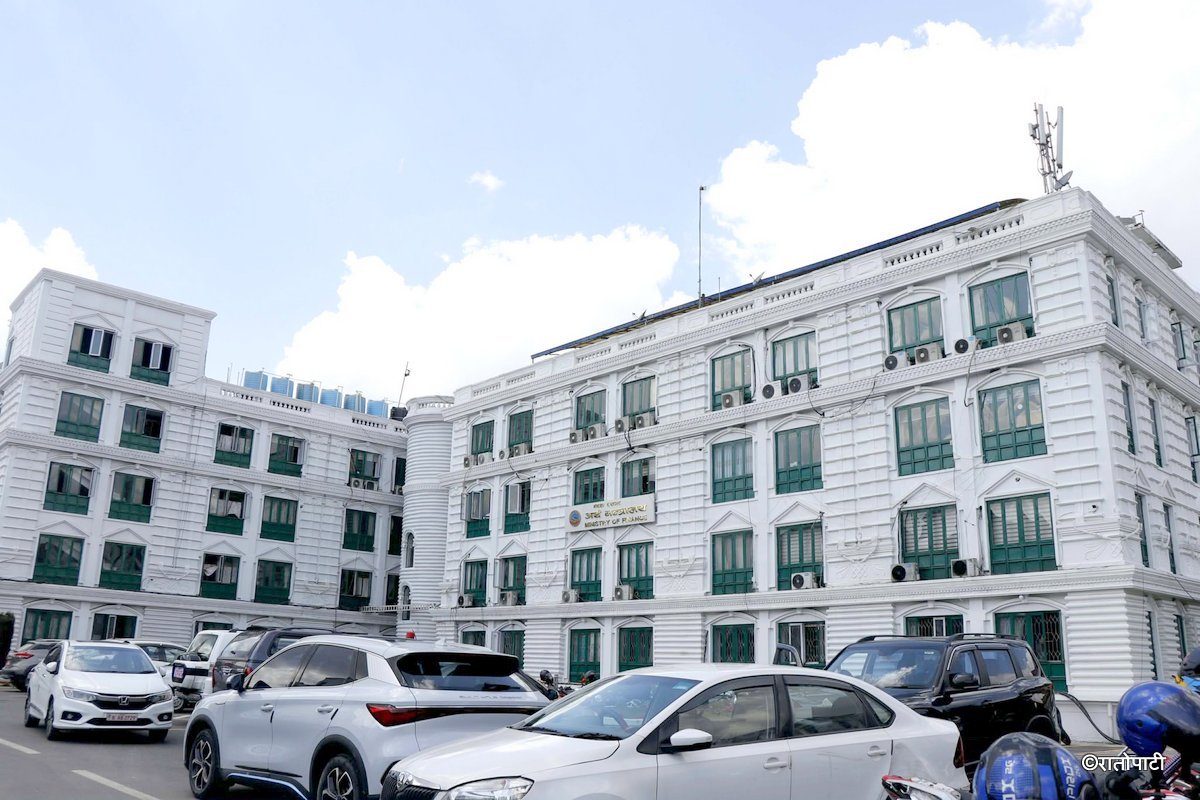
Nepal's Department of Mines Grants Excavation Permits for 16 Types of Minerals

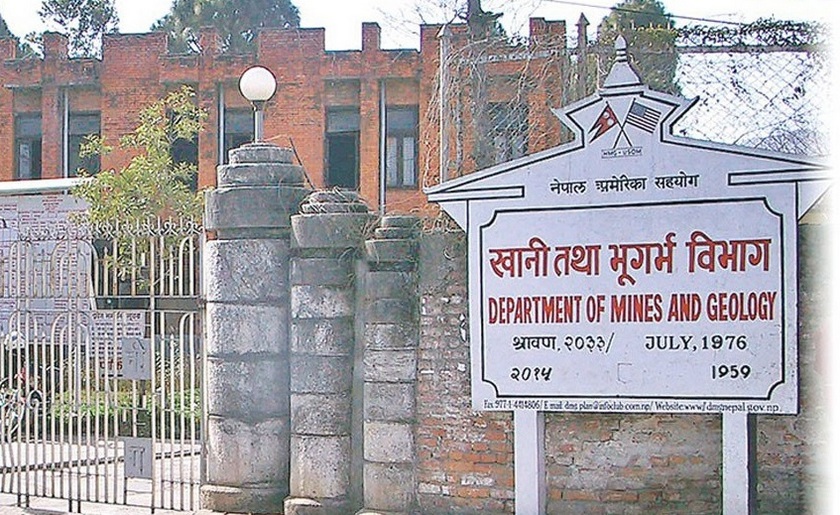
The Department of Mines and Geology has granted excavation permits for 16 types of mineral resources, including limestone, red clay, metals, and stones. The department has issued excavation licenses with the objective of developing mineral-based industries and fostering industrial production and economic development in the country through the exploration of domestic mineral wealth.
The minerals for which permits were granted up to the last fiscal year include tourmaline, talc, quartz, kyanite, marble, iron, zinc, quartzite, magnesite, dolomite, and copper, among others. Information Officer Narayan Baskota stated that the department has provided permits to 166 entities, including private and various international companies registered in the country, after studying the mining proposals and completing necessary procedures for those that applied for mining licenses.
The department, which is responsible for the exploration, investigation, development, and excavation of the country's mineral wealth, has stated that it sets necessary conditions for granting mining permits, ensuring that they do not negatively impact environmental impact assessments, revenue collection relative to registration and production, and benefit the local population.
The department indicated that approximately one hundred limestone mines have received excavation authorization. Information Officer Baskota noted that the necessary development of mineral wealth in the country has not been achieved due to reasons such as geographical remoteness and lack of transportation.
The main reasons cited for the underdevelopment of Nepal's mineral wealth include a lack of capital and modern technology, geographical remoteness, and policy-related issues.
The excavation of minerals remains challenging due to a lack of infrastructure, insufficient detailed mineral exploration, environmental risks, the absence of necessary expensive technology, equipment, and large capital for mineral excavation, and the lack of an investment-friendly environment. It is reported that since most minerals are located in remote and steep areas, their excavation and transportation are difficult.
This specific news has been automatically translated by AI. As a result, there may be some inaccuracies or language errors.