Identity Movement in Koshi Province Faces Uncertainty After Name Change, New Party Emerges

Biratnagar. The identity movement that intensified after the naming of the province as Koshi has fallen into uncertainty following the new mandate. However, activists state that the identity movement has not ended.
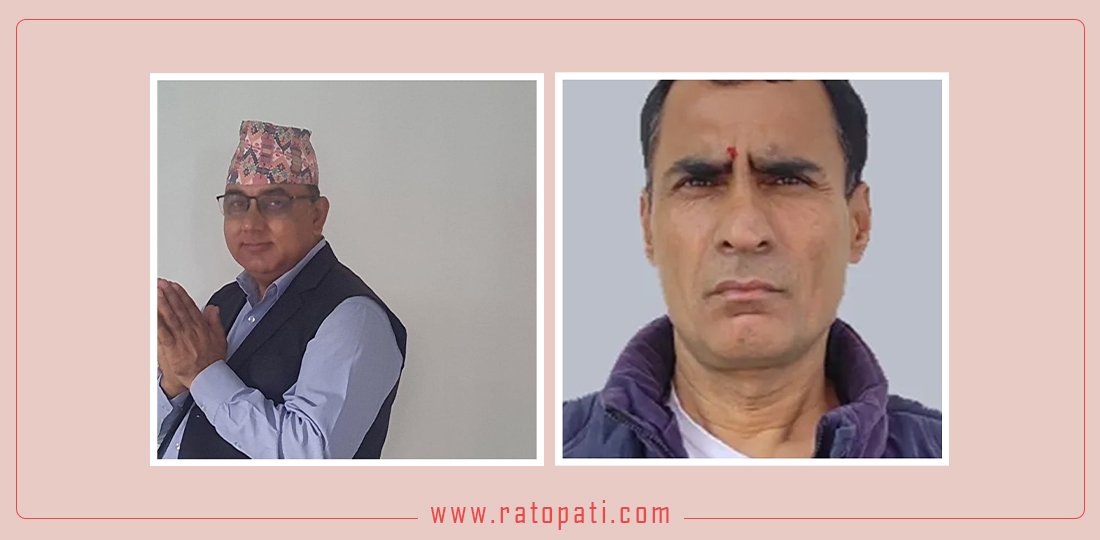
Identity leaders in Koshi Province have initiated efforts, suggesting that Harka Sampang could lead the identity movement. Sampang, however, has stated that his Labor Culture Party will not become a regional party and has started a nationwide campaign. A few days ago, at a program organized to congratulate and wish success to the parliamentarians elected from his party, Sampang clearly stated that it would not be a regional party.
‘We won three first-past-the-post seats from Koshi. Among the four proportional representation seats we received, we sent one from Janakpur and one from Surkhet. If we give the seat from here just because we received many votes from Koshi, then that party becomes regional,’ he said.
In the by-election for the House of Representatives in Ilam, held after the province was named Koshi, Sampang campaigned in the constituency in support of identity leader Dhekendra Singh Thegim. At that time, Thegim secured nearly 11,000 votes. In the recently concluded House of Representatives election, the status of parties known as identity-based in Koshi Province appeared weak, but Harka Sampang's Labor Culture Party suddenly emerged.
_CSCZsuCNoa.jpg)
According to the proportional representation vote count in Koshi Province, the Rastriya Swatantra Party (RSP) received 853,183 votes, while the Labor Culture Party received 292,049 votes. Nepali Congress stood third with 290,562 votes, and CPN-UML became the fourth largest force with 288,186 votes.
The CPN (Maoist Centre), which was in fifth place in the previous election, remained in fifth place this time as well. The CPN (Maoist Centre) received 97,679 votes this time, while the Rastriya Prajatantra Party (RPP), which was the fourth largest force previously, finished sixth with 62,829 votes.
The rise of the Labor Culture Party in this election has become a matter of interest for everyone. This new party, which was unexpected, managed to become the second-largest party in the province in its first attempt, securing 292,049 votes and surpassing established parties like the Nepali Congress and CPN-UML.
_c9E1w5CMJJ.jpg)
There is another aspect to the vote results. This time, the votes for parties operating under the banner of identity in Koshi Province are dismal. The Janata Samajbadi Party Nepal also calls itself identity-based. That party received a total of 13,840 proportional representation votes. Similarly, the Mongol National Organization, which previously garnered nearly 50,000 votes, received only 8,754 votes this time.
The Nagarik Unmukti Party received 5,781 votes, while the Federal Democratic National Forum, which originated from the Limbuwan movement in the East, received only 3,516 votes. In 2074 BS, the Federal Democratic National Forum received 20,610 votes in the House of Representatives proportional representation and 26,123 votes in the Provincial Assembly in Koshi.
Similarly, in 2079 BS, the Forum received 17,795 votes for the House of Representatives and 26,242 votes for the Provincial Assembly.
In 2074 BS, the then Federal Socialist Forum received 70,476 votes from Koshi Province, while the renamed Janata Samajbadi Party received 59,485 votes in 2079 BS.
Whether the identity movement has been neglected by the public mandate or if a new party is taking up the identity issue is currently a topic of debate in Koshi. Identity leader Dhekendra Singh Thegim states that the election results alone cannot stop the identity movement. He informed that continuous discussions are being held at the leadership level regarding the form and future strategy of the movement.
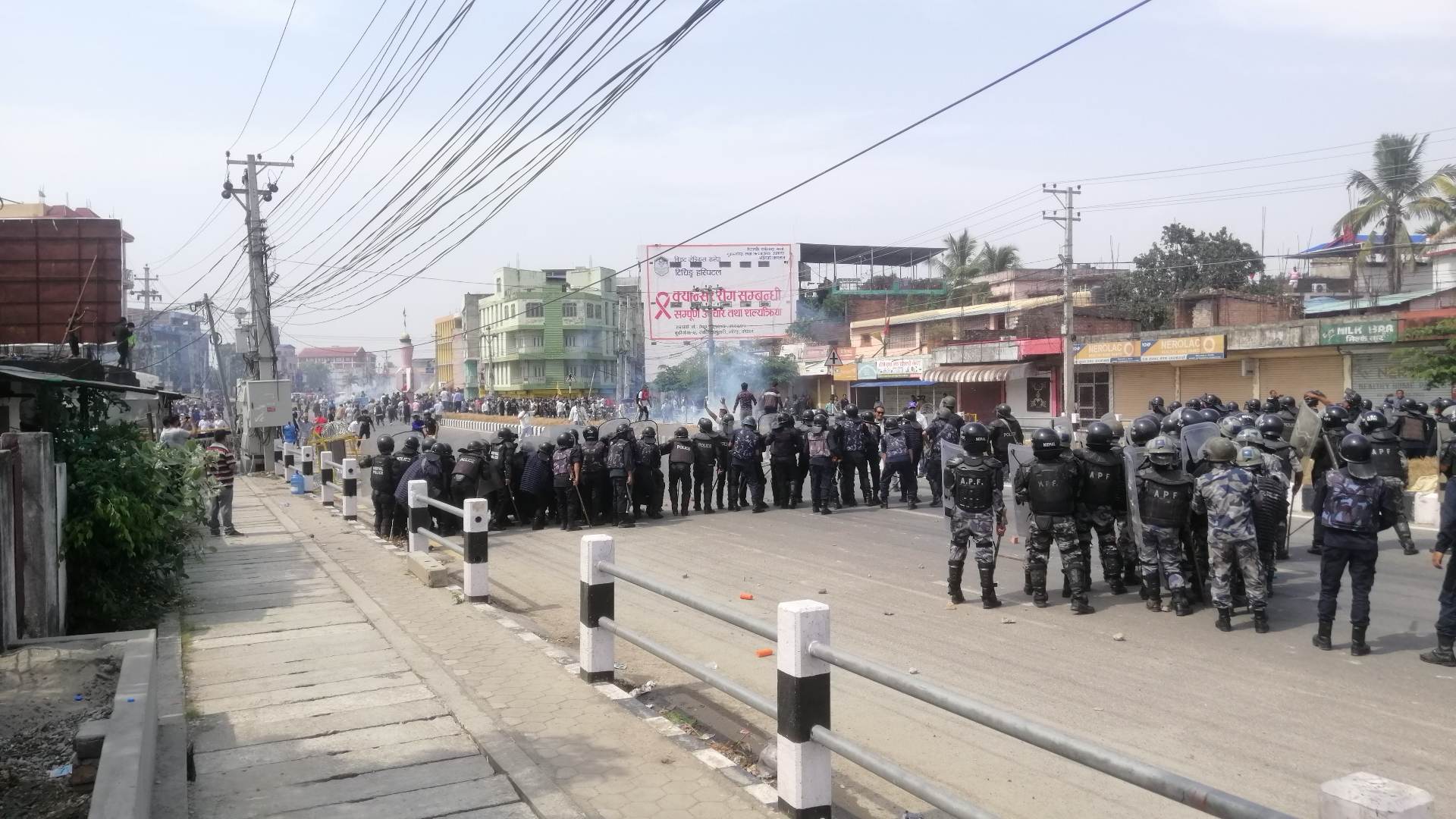
‘This identity movement has neither been postponed nor stopped. The programs of the movement have not been announced yet. We are currently discussing with the leadership how to move forward. It will continue,’ he said.
When asked if the public mandate has recently shifted towards RSP (Bell) and Harka Sampang, Thegim claimed that the Bell symbol had little impact in the hilly region. Recalling that Harka Sampang had supported them during his previous independent candidacy, he revealed that cooperation with the Labor Culture Party is possible, but with conditions.
‘What we are saying is that the Labor Culture Party must take up the identity issue. Voters expect that if the Labor Culture Party clearly raises the identity issue, we will support them. If they do not clearly raise the issue of identity and rights, we will have to reconsider,’ Thegim said.
He stated that although there has been no direct meeting with Harka Sampang's side after the election, communication is ongoing via telephone and through close contacts.
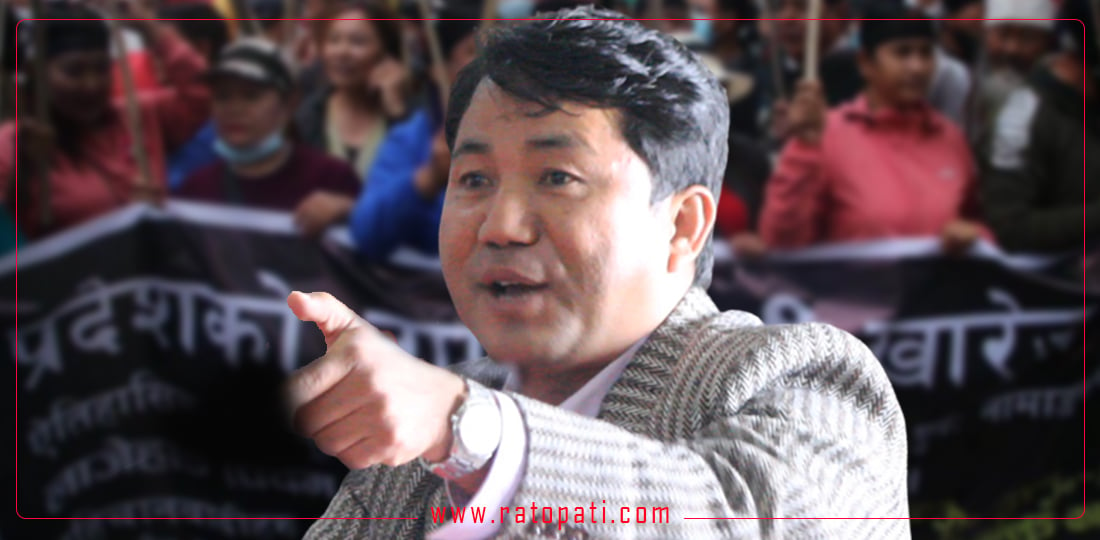
Kumar Lingden, Chairman of the Federal Democratic National Forum, admitted to a weak result in the election but asserted that the movement is not weak. He stated that the morale of the core activists has not dropped because elections and movements go hand in hand. ‘We have been convincing from the beginning that elections and movements go together; elections are 50 percent, and the movement is 50 percent. Therefore, the morale of our core activists has not dropped at all,’ Lingden said.
He explained the context of the poor performance of CPN-UML and Congress in the past and the emergence of new forces by linking it to political science theories. He accused the communists of confusing people with socialism by blocking the path from feudalism to capitalism.
‘They used to say that communism comes only after capitalism, which comes after feudalism, but UML kept talking about socialism without allowing the transition from feudalism to capitalism. Because of that, various types of movements could not move forward,’ he said.
Lingden labeled leaders like Harka Sampang, Balen Shah, and Rabi Lamichhane as pure capitalists. Exploring the reason for the public's attraction to new forces, he analyzed that new faces appear somewhat ‘flexible and responsive’ on issues of identity and culture compared to old parties.
‘People felt that new forces are somewhat more flexible on identity issues than the old forces,’ he said. ‘Balen Shah came here and said Mukhunglung, and over there he said Jai Khwalung. Rabi apologized for not being able to include Rai and Limbu communities and said he would do better next time. At least they spoke, unlike the CPN-UMLs who never listen. That is also a response. It also showed that new forces do respond to the issues that have arisen.’
Meanwhile, Satya Ghale, spokesperson for the newly formed ‘Labor Culture Party’ led by Harka Sampang, stated that his party is culturalist and clarified that it accepts the identity and culture of everyone. When asked whether his party would support the identity movement, he stated that they would protect everyone's culture.
‘We are culturalists; we respect everyone's culture. Whether it is about building a cable car or the naming of Koshi, we are in favor of not doing anything by bypassing the locals. Our stance is that it should not be done by killing the people,’ Ghale said. ‘We do not only talk about regional matters. We try to encompass everything. We are culturalists; we accept everyone's identity.’
This specific news has been automatically translated by AI. As a result, there may be some inaccuracies or language errors.