World Happiness Report 2026 Links Excessive Social Media Use to Decline in Youth Well-being


Kathmandu. According to the World Happiness Report 2026 published on Thursday, excessive use of social media is causing a significant decline in the happiness and well-being of young people. This impact is particularly alarming among adolescents in English-speaking countries and Western Europe.
This annual report, published by the Wellbeing Research Centre at Oxford University, shows that Finland has succeeded in being the happiest country in the world for the ninth consecutive year. Alongside it, other Nordic countries such as Iceland, Denmark, Sweden, and Norway have also managed to secure spots within the top 10.
The report indicates a notable decline in life evaluations among young people under 25 in the United States, Canada, Australia, and New Zealand over the past decade. The main reason attributed to this trend is spending hours engrossed in social media.
- Costa Rica Rises to Fourth; Nordic Nations Remain at the Top
Costa Rica has made a new entry into the top five of the list this year. Having been in 23rd place in 2023, Costa Rica has jumped significantly to secure the fourth position this year.
The report attributes this rise primarily to the increase in happiness brought about by family intimacy and other social connections. Jan-Emmanuel De Neve, Professor of Economics at Oxford, Director of the Wellbeing Research Centre, and co-editor of the World Happiness Report, stated, ‘We believe the quality of their social life and the stability they are currently experiencing are the main reasons for this.’
He added, ‘Family and social ties are very strong across Latin America. There is a high level of social capital there, which is rarely found elsewhere.’
According to the report, the combination of wealth, its equitable distribution, the welfare state system protecting citizens from economic downturns, and healthy life expectancy are the main reasons why Finland and other Northern European countries consistently remain at the top.
Following Finland's return to the top spot, Finnish President Alexander Stubb reacted on Thursday, saying, ‘I don't think there is any magic mantra to this, but a society striving towards freedom, equality, and justice certainly helps.’
Pensioner Seppo Salmi, who was swimming in a cold water pool in Helsinki, agreed with the President. He said, ‘Finns are very satisfied and self-confident; they have complete faith in their system, their country, and their government.’
He also emphasized the benefit of having access to good healthcare. ‘My father is currently in a long-term care center, and the state system is taking excellent care of him,’ he said.
As in previous years, nations in or near major conflict zones are at the bottom of the list. Afghanistan is once again the unhappiest country in the world, followed by the African nations of Sierra Leone and Malawi.
This country ranking is based on the responses of approximately 100,000 people across 140 countries and regions evaluating their quality of life. This study was conducted in partnership between the analytics firm Gallup and the United Nations Sustainable Development Solutions Network. In most countries, about 1,000 people are contacted annually via telephone or in person.
- Adolescents Particularly at Risk
Respondents were asked to evaluate their lives on a scale of 0 to 10. The scores for young people under 25 in English-speaking and Western European countries have dropped by nearly a full point over the past decade.
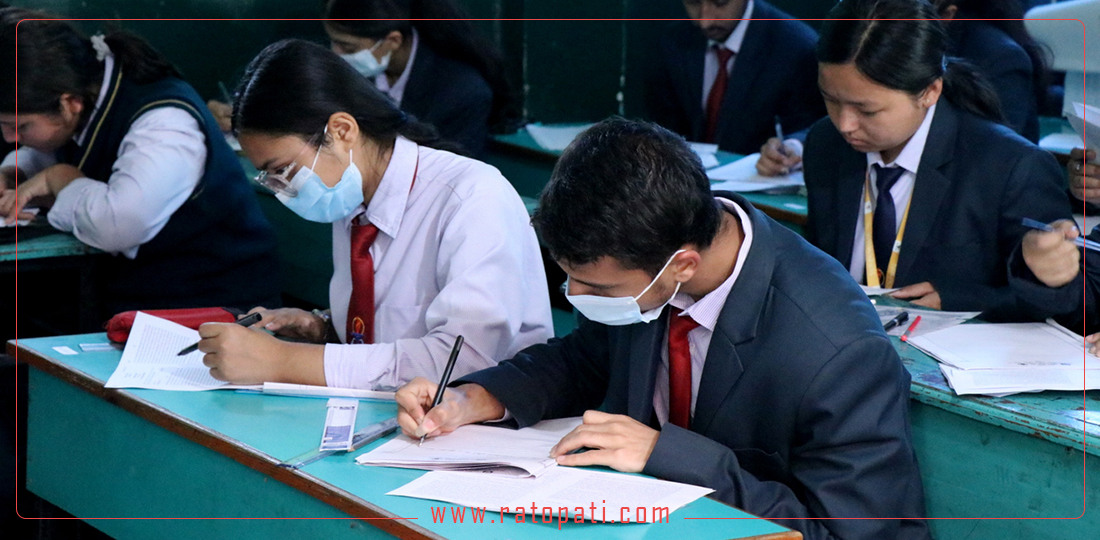
The report notes that the negative correlation between young people's mental well-being and excessive social media use is even more concerning among adolescent girls. For example, 15-year-old girls who use social media for 5 hours or more a day showed significantly lower life satisfaction compared to those who use it less.
According to researchers, young people who spend less than an hour a day on social media showed the highest levels of happiness; even higher than those who do not use social media at all. However, it is estimated that adolescents currently spend an average of two and a half hours a day on social media.
‘It is clear that we need to try to bring the social aspect back to social media as much as possible,’ De Neve said.
- Algorithm Feeds and Influencers Identified as Main Culprits
Researchers also pointed out that in some parts of the world, such as the Middle East and South America, there is a positive correlation between social media use and happiness. In these regions, youth happiness has not declined despite high levels of social media usage.
The report attributes this difference across continents to various factors. Nevertheless, it concludes that excessive social media use is a significant factor in the decline of youth happiness in some countries.
According to the report, those platforms are most problematic which feature algorithm feeds dominated by influencers and whose main content consists of photos and videos. This is because such content encourages people to compare themselves to others. However, users of platforms prioritizing communication and conversation show better outcomes.
For the second consecutive year in the 2026 rankings, no English-speaking country managed to break into the top 10. The US is ranked 23rd, Canada 25th, and the UK 29th.
This report, focused on social media, comes at a time when many countries around the world have banned or are seriously considering banning social media for minors.
This specific news has been automatically translated by AI. As a result, there may be some inaccuracies or language errors.