Interim Government Completes Six-Month Mandate Amid Economic Challenges and Geopolitical Headwinds


Kathmandu. On Bhadra 23 and 24, a movement for good governance and against corruption took place. The two-day agitation toppled the government.
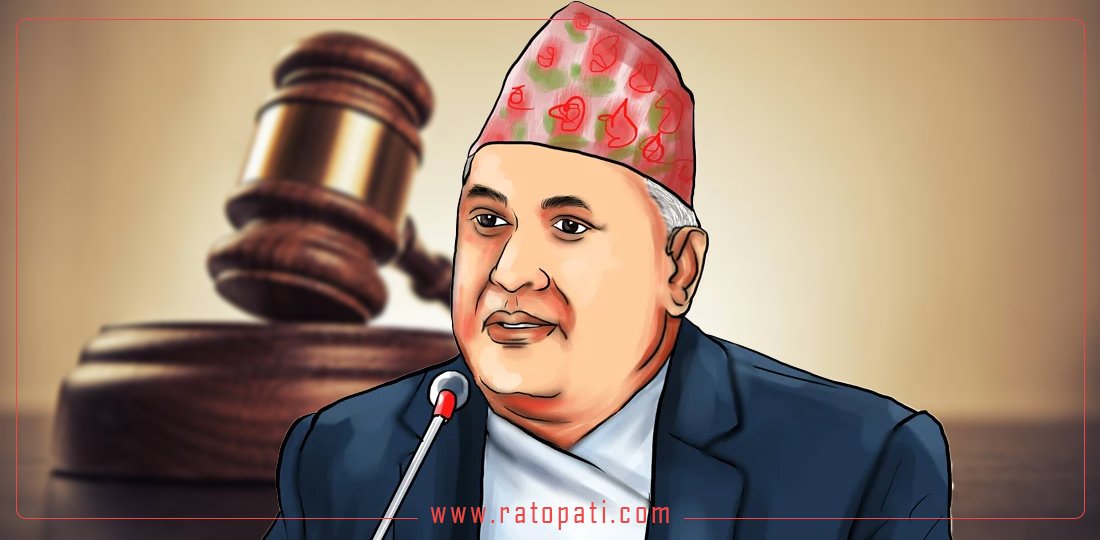
Following the protests, a government was formed under former Chief Justice Sushila Karki with the mandate to hold elections within six months. The interim government led by Karki has completed the House of Representatives elections within the stipulated six months, fulfilling its mandate.
While the government fulfilled its mandate of holding elections in six months, its other main task was to revive government structures devastated by the protests, boost the morale of the weakened private sector, and stabilize the economy. The nationwide 'Genji' movement caused billions in damages across the country.
The state treasury (Consolidated Fund) had become negative by NPR 236 crore, and the revenue growth rate was negative by 6.38 percent as of the end of Bhadra. In such a situation, the interim government, formed amidst chaos and uncertainty six months ago, has succeeded in keeping the economy balanced, according to experts.
Indicators other than capital expenditure are positive. However, experts say that while the economic picture has not completely changed as the Karki government departs after completing its six-month tenure by the end of Falgun, the economy has not deteriorated significantly.

Economist Dr. Ramesh Paudel states that while some positive signals have appeared in the external sector during this period, the internal economy and government expenditure side remain challenging. According to Dr. Paudel, some key economic indicators are satisfactory during this period. Foreign exchange reserves are in a good state, which has facilitated external payments.
Similarly, export earnings have increased due to the export of items including soybean oil. He noted that the increase in export volume beyond NPR 100 billion after many years, reaching above NPR 200 billion, is a positive aspect. 'Loanable funds in banks have increased, which can be a positive basis for future investment. The current Council of Ministers, especially the Ministry of Finance, did not become embroiled in any major corruption cases or scandals. That itself is a positive achievement of the current government.'
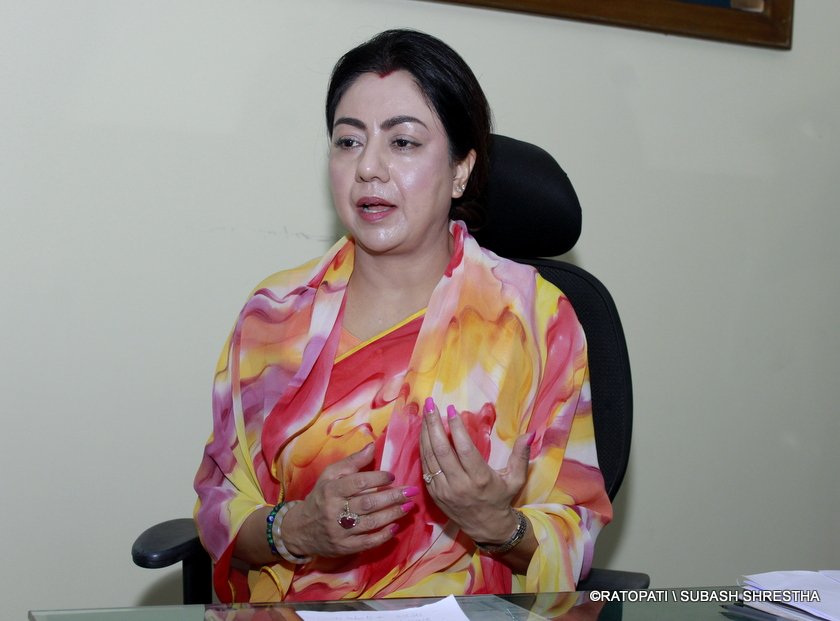
However, he mentioned that the government could not perform as expected in some sectors during the six-month period. He stated that capital expenditure did not occur as it should have. Former President of the Federation of Nepalese Chambers of Commerce and Industry (FNCCI), Bhawani Rana, echoed a similar sentiment. She stated that although the current interim government could not achieve major feats, it succeeded in keeping the economy stable.
Rana said, 'Because the Finance Minister understands the economy, it is considered successful in making the economy dynamic and preventing the morale of the private sector from declining. Although the government came primarily to hold elections rather than undertake extensive work, it managed the economy without letting it worsen significantly.'

She added that the current economic indicators are more positive than disappointing.
What improvements were made to the economy in 6 months?
This government, formed in a difficult situation, has done positive work. Economists suggest that based on the economic indicators of the last six months, the improvement in the economy is satisfactory. The government prioritized good governance and expenditure control. The government postponed the allocation of NPR 119 billion designated for useless and immature projects in the budget. This served two purposes simultaneously: first, the necessary NPR 19.60 billion for the House of Representatives election was managed within the budget perimeter. Second, a major blow that could have affected Nepal's international reputation was averted.
Temporary structures were set up to operate essential government offices, such as revenue offices, that were burned down across the country during the agitation. By guaranteeing security for all employees, revenue collection was immediately resumed. This prevented further potential decline in revenue collection.
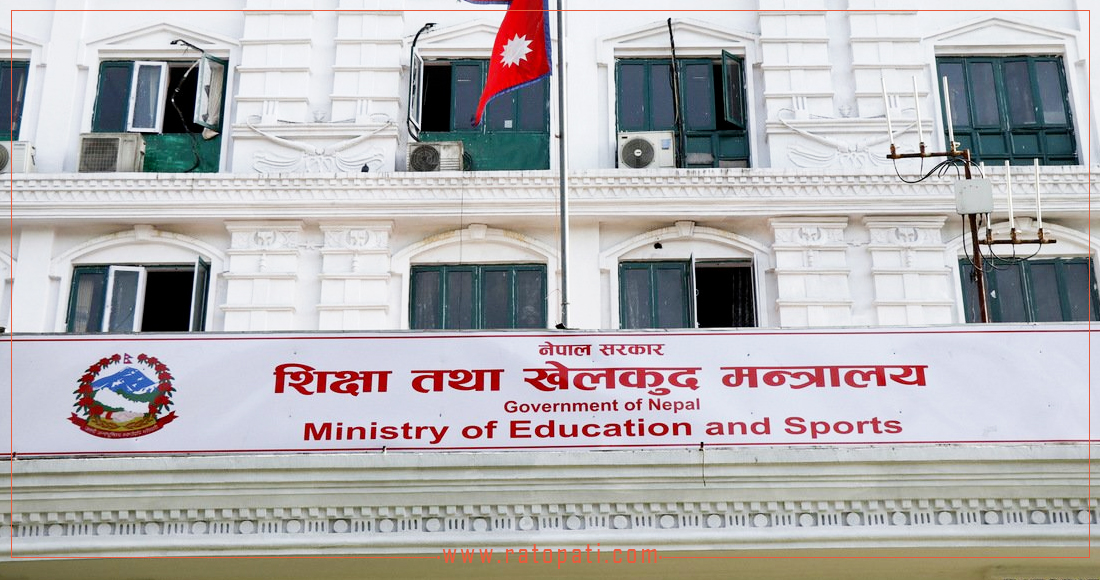
The current government prioritized systemic reforms during its tenure, leading to many improvements. Taxpayer Service Offices were abolished, and services began to be delivered through the Treasury and Accounts Controller Offices (Kolenika) in all 77 districts and municipalities. This resulted in the reduction of 39 unnecessary offices and 323 positions, thereby decreasing the state's recurrent expenditure.
The Finance Minister also digitized the customs system, ensuring that revenue collection did not stop even during the 'Genji' movement. Furthermore, in the area of customs reform, the government signed a customs information exchange agreement with India. A transaction value-based valuation system was implemented at all customs points.
Economy in Figures
The Consolidated Fund, which was once negative by NPR 236 crore, has improved to a negative balance of NPR 126 billion by the end of Falgun. The negative revenue growth rate has returned to a positive point of 3.02 percent. As of the end of Magh, the federal government's cash balance reached NPR 70.22 billion.
The federal government presented a budget of NPR 1964.11 billion for the current fiscal year. According to the Office of the Auditor General, NPR 926.5865 billion has been spent by the end of Falgun, which is 47.18 percent of the annual allocation.
Out of the NPR 1180.98 billion allocated for recurrent items, 54.37 percent has been spent. For the financial management heading, NPR 375.242 billion was allocated, of which 54.89 percent, or NPR 205.9523 billion, has been spent so far.
However, capital (development) expenditure appears extremely weak and disappointing. Out of the NPR 407.888 billion allocated for capital expenditure, only 19.24 percent of the target has been spent by the end of Falgun. This is lower than the 23.37 percent spent during the same period last year. The sluggishness in development construction has become a major concern for the economy.
Status of Revenue and Grant Collection
According to the Office of the Auditor General, the government aims to collect NPR 1533.4469 billion in revenue for the current fiscal year. However, by the end of Falgun, NPR 765.1016 billion (49.89 percent of the annual target) has been collected. Of this, NPR 1325.5839 billion was targeted from tax revenue, of which 51.4 percent has been collected, while NPR 154.4161 billion was targeted from non-tax revenue, of which 45.78 percent has been collected so far.
Furthermore, the government aimed to receive foreign grants of NPR 53.4469 billion, but only NPR 13.2450 billion (24.78 percent of the target) has been received so far. According to the Ministry of Finance, a total of NPR 747.2805 billion in revenue was collected in the eight months up to Falgun of the fiscal year 2082/83. This is 3.75 percent higher compared to the same period last year (NPR 720.2466 billion). In Falgun alone, the government collected NPR 82.2556 billion in revenue. According to the Ministry, the target for revenue collection for eight months was NPR 910.2033 billion, achieving 82.10 percent progress against the target. Compared to the overall target for the current year, collection has reached 82.02 percent.
Against a target of collecting NPR 195.90 billion by the end of Falgun, only NPR 144.5014 billion (73.76 percent of the target) has been collected. This shows an 8.12 percent increase compared to the same period last year (NPR 144.1821 billion). An 8.04 percent increase is seen in imports under customs, and a 225.65 percent increase in exports. Similarly, VAT, the main source of revenue, shows a 7.35 percent increase in collection. Against a target of NPR 246.4390 billion, NPR 225.5345 billion has been collected. In the same period last year, NPR 210.0932 billion was collected. VAT shows a 7.13 percent increase in production, sales, and services, and a 7.51 percent increase in imports. Excise duty shows a double-digit improvement. Collection increased by 10.44 percent this year to NPR 120.3673 billion, up from NPR 108.8764 billion last year. The target was NPR 133.2164 billion. There is an increase of 10.01 percent in domestic production and 11.06 percent in imports. However, income tax and non-tax revenue have declined. Income tax has decreased by 1.42 percent this year to NPR 170.8041 billion, down from NPR 173.2605 billion collected last year, due to sluggish trade. The target was NPR 237.8045 billion.
Similarly, non-tax revenue decreased by 13.31 percent this year to NPR 70.6948 billion, down from NPR 81.5477 billion collected last year. The target was NPR 93.7733 billion.
The Department of Customs collected NPR 319.9461 billion in revenue by the end of Falgun, which is 1.48 percent more than last year. Its target was NPR 378.1647 billion, achieving 79.31 percent progress. On the other hand, the Inland Revenue Department collected NPR 356.6397 billion, a 3.90 percent increase. Against a target of NPR 438.2653 billion, 81.38 percent has been collected.
Private Sector Confidence
The private sector showed the most trust in the current government during its six-month tenure. The government engaged in intensive dialogue with the private sector. The morale of the private sector has gradually started to return due to the government's quick understanding of issues and promptness in resolving problems.
Former FNCCI President Rana also acknowledged this point. She stated that the private sector is quite satisfied with the current government due to continuous dialogue and discussion. She claimed that the interim government worked to improve the economy and boost private sector morale.
Piles of Challenges for the Next Government
Although the economy rising from the ruins is beginning to find its footing, mountains of challenges stand before the new government to be formed. As the government is about to be formed, the impact of the West Asian war is creating a situation where the country will have to face the burden of price hikes.
The most alarming external shock is the escalating war in the Middle East and Gulf countries. This is delivering an unexpected blow to Nepal's economy. About 1.7 million Nepalis are employed in the Gulf. Thousands of Nepali travelers are stranded as Gulf airports are closed due to missile attacks. International markets are already severely affected by oil prices and supply.
The government has so far allocated NPR 2 million for crisis management, but this amount is certain to increase. If this war prolongs, Nepali employment and business opportunities will be lost.
A situation may arise where a large number of citizens need to be evacuated, which will simultaneously lead to a sharp decline in remittances and place an unimaginable strain on public finances. Tension in the Middle East has created a crisis in areas like LP gas and foreign employment. Distribution of half-cylinder gas for cooking has begun. A situation is also emerging where problems may arise with diesel and petrol.
Since the current government's start is amidst challenges, the RSP government faces a huge challenge in economic reform. The challenge for the next government will be to increase capital expenditure. The fact that development expenditure was only 19.24 percent in 8 months exposes our structural weaknesses. Low development spending prevents liquidity in the market and job creation.
Economist Dr. Paudel stated that the large gap between the revenue collection target and the actual realization is a challenge for the government. He mentioned that development works have been affected due to problems in the construction sector and the blacklisting of some contractors. Dr. Paudel noted that the coming days could be challenging for Nepal's economy.
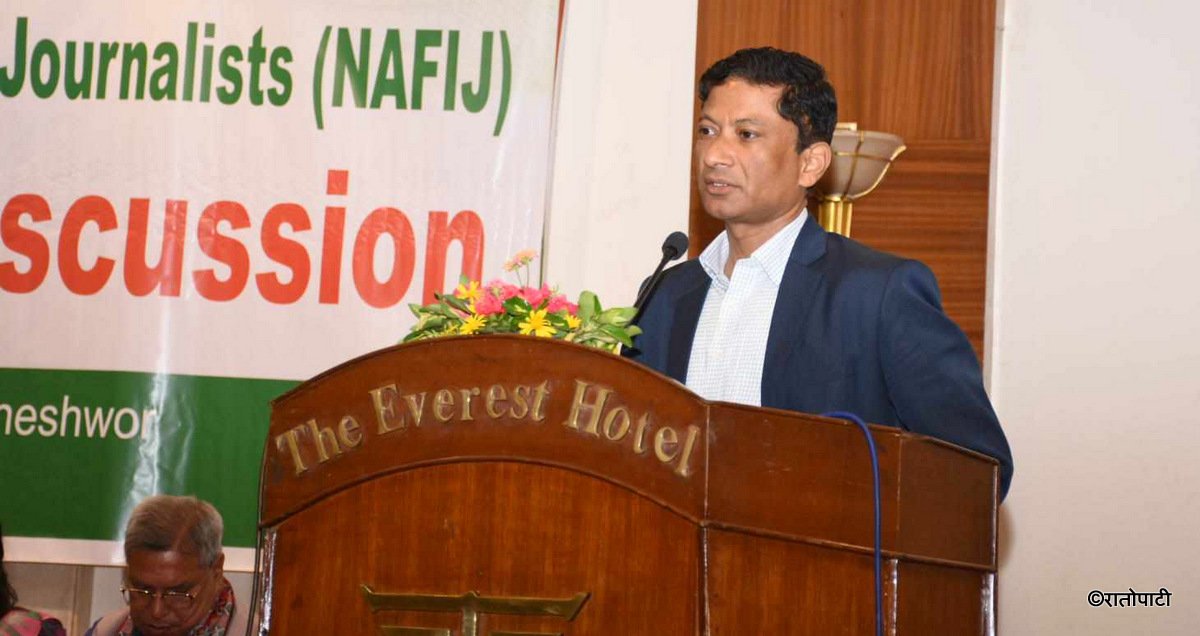
Dr. Paudel stated that the rising fuel prices due to the international war could increase inflationary pressure in the market. According to him, the instability in the Middle East (Gulf countries) raises the possibility of Nepali youth returning home. While this might reduce remittances, it could also create opportunities to employ them domestically.
Demand for goods in the market has not increased, which is why investment is not happening despite the accumulation of loanable funds, he said. Dr. Paudel emphasized the need for political foresight and strong leadership for the upcoming government.
He suggested that Nepal should seek opportunities to produce and export relief materials, health supplies, and other essential goods during times of global war and crisis. He concluded that although major achievements are not visible as the focus of the last six months was on completing elections and maintaining economic stability, it helped keep the economy on the right track.
This specific news has been automatically translated by AI. As a result, there may be some inaccuracies or language errors.