Oil Prices Surge Amid West Asia Tensions; Experts Warn of Potential $200 Per Barrel

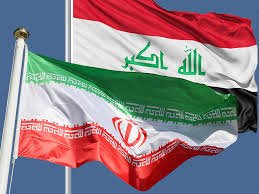
Tehran. Immediately after the US and Israel launched an attack on Iran on February 28, analysts warned that global oil prices would exceed $100 per barrel.
The situation has become critical in less than three weeks since the war began. Energy market experts now foresee the possibility of crude oil prices reaching $200, not just $150. On March 9, the price of crude oil reached nearly $120.
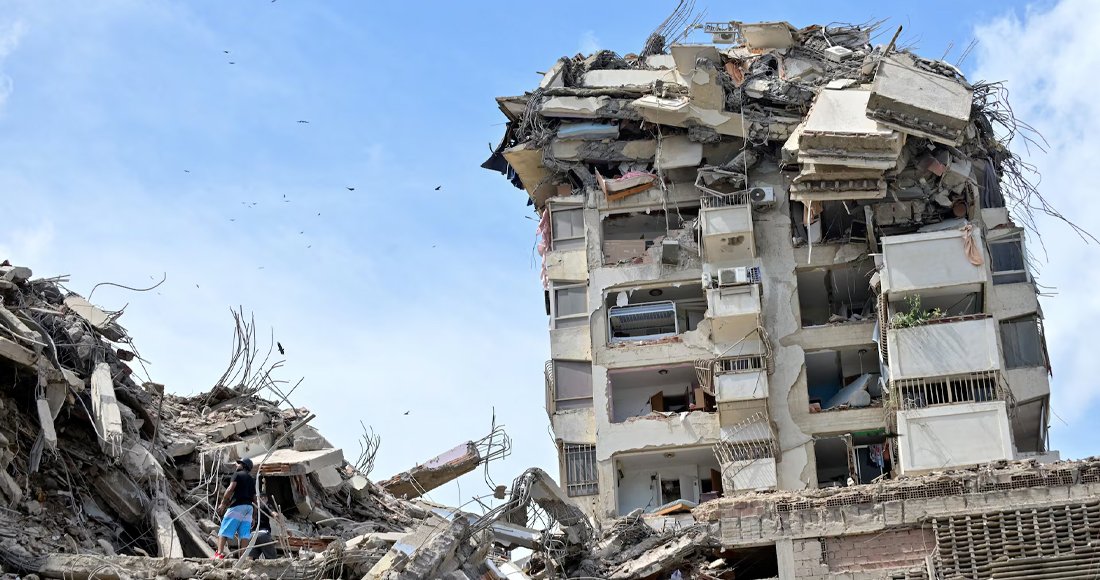
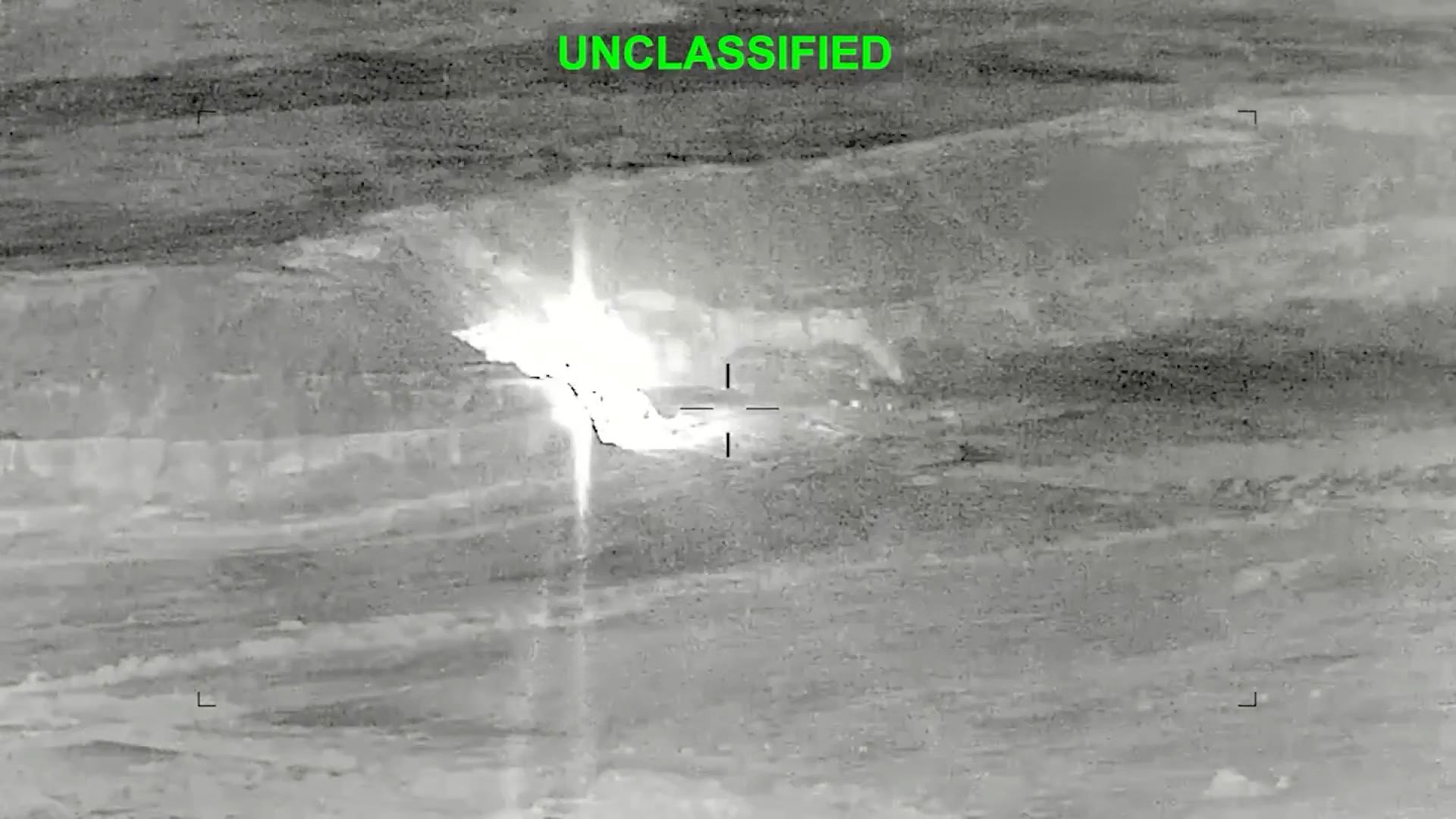
Since March 13, the price has remained consistently above $100. The situation escalated further following Israel's attack on Iran's South Pars gas field on March 18. In response, Iran attacked oil and gas facilities in Qatar, Saudi Arabia, and the United Arab Emirates, pushing prices back up above $108.
According to experts, the future of oil prices now largely depends on the status of the Strait of Hormuz. As nearly 20% of the world's oil supply passes through this waterway, its disruption could severely impact the global economy. After the war started, Iran announced a blockade of the Strait and warned of attacks on ships passing through it. Since then, maritime traffic through the Strait has almost completely halted. Only a limited number of ships, particularly from India, Pakistan, Turkey, and China, are safely navigating this waterway.
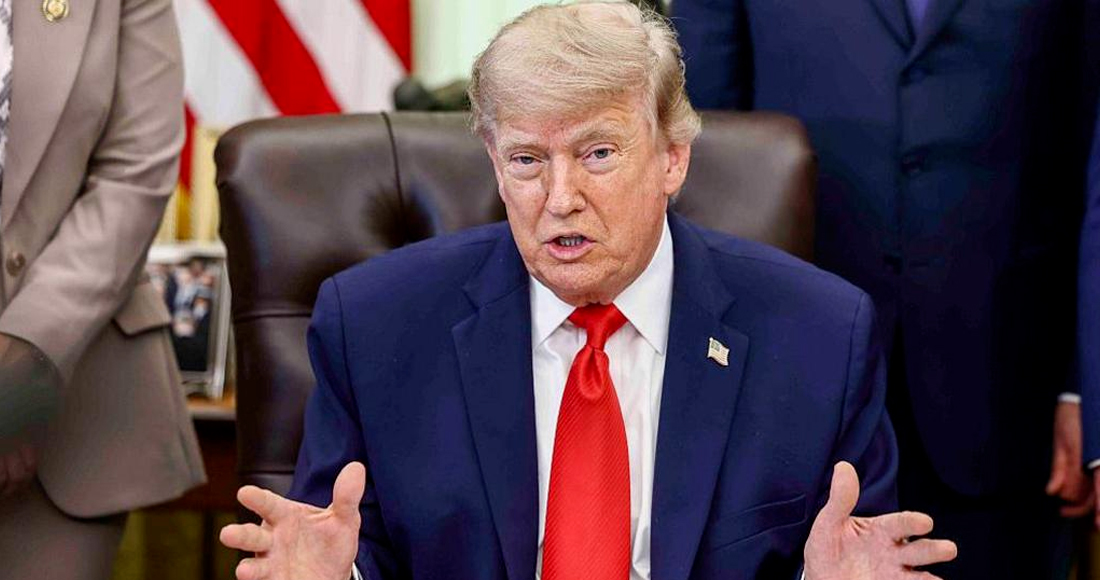
Although US President Donald Trump attempted to garner international cooperation to reopen the waterway, he has not received significant support. Various countries are trying to secure their vessels by making separate agreements with Iran. According to energy analyst Vandana Harika, crude oil prices in Oman and Dubai in West Asia have already surpassed $150. She suggests that the $200 level is starting to look like a near target.

She stated that how high oil prices will go now depends almost entirely on how long the Strait of Hormuz remains closed.
Meanwhile, several countries, coordinated by the International Energy Agency (IEA), have decided to release 400 million barrels of oil from their strategic reserves into the market. However, experts suggest this volume cannot fully compensate for the supply shortage caused by the waterway blockage.
OCBC Group research in Singapore estimates a daily oil deficit of about 10 million barrels in the global market currently. In such a scenario, the imbalance between market demand and supply is expected to deepen. Analysts at the energy consulting firm Wood Mackenzie had previously stated that Brent Crude could reach $150, and reaching $200 was not impossible. Iran has also warned the world to prepare for such price hikes.
According to Chad Norville, President of Rigzone, an online resource company related to the oil and gas industry, if the Strait of Hormuz remains blocked for a long time, the possibility of oil prices approaching $200 is strong. He noted that this situation could be more severe than the previous Gulf War because the global supply structure is currently more sensitive. It is certain that oil prices reaching $150 or above will have a deep impact on the global economy. According to the multilateral lender IMF, a 10% rise in oil prices increases global inflation by 0.4% within a year, causing global economic growth to decrease by 0.15%.
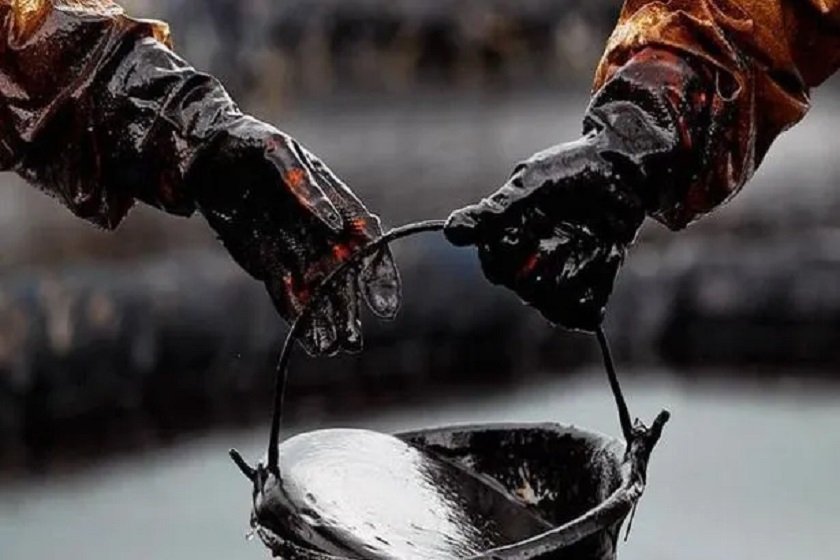
Historically, the highest price for Brent Crude reached $147.50 during the 2008 global financial crisis. Adjusted for inflation, that price would be nearly $224 today. Therefore, signs indicate that the current situation could become even more dire. According to energy expert Adi Emsirovic of Oxford University, oil prices of $200 per barrel will prove to be a major break for the global economy. "This will affect inflation, economic growth, employment, and in some cases, there may be shortages not only of fuel but also of goods like fertilizer and plastic," he said.
However, not all analysts are this pessimistic. Sasha Fous, an energy analyst at Marex in London, considers the $200 price point somewhat exaggerated. According to her, countries like the US, Canada, Argentina, Brazil, and Guyana are increasing production, which could help balance supply. Furthermore, alternative supply routes such as Saudi Arabia's East-West pipeline could offer some relief, she added.
This specific news has been automatically translated by AI. As a result, there may be some inaccuracies or language errors.