EU Leaders Convene Summit to Tackle War, Energy Prices, Migration, and Ukraine Aid Stalemate
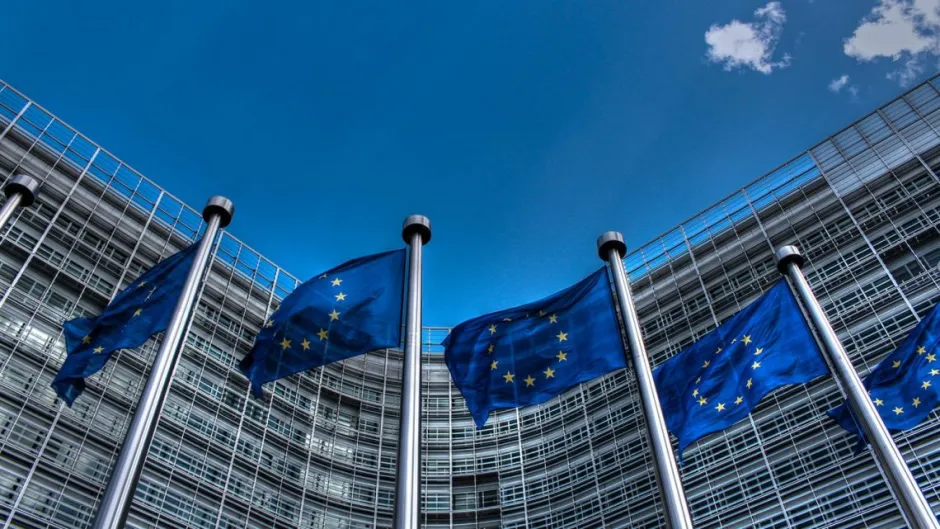
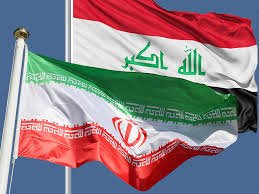
Brussels. European Union (EU) leaders are holding a summit in Brussels on Thursday to discuss the Iran war, rising energy prices, the migration crisis, and providing substantial loans to war-torn Ukraine. The summit has given high priority to issues such as the security of vital waterways like the Strait of Hormuz, increasing pressure on oil and gas supplies, and the resulting global economic impact.
The summit is expected to focus on solutions for the energy crisis, diversification of supply routes, and managing the financial risks arising from the war. According to a senior diplomat, since no single policy would be sufficient to mitigate the impact on the broad market of the 27 member states, the European Commission has brought a discussion to the table with various 'toolboxes' proposed to lower energy prices.
Disagreements within the EU will also be a major agenda item. A deadlock has persisted due to delays by Hungarian Prime Minister Viktor Orbán and some other nations in providing necessary loans to Ukraine.
Although an agreement on a 90 billion euro ($104 billion) loan was reached in December, Orbán backed down in January following a Russian drone attack and the disruption of the Druzhba oil pipeline. Orbán, preparing for upcoming elections, is adopting an aggressive public strategy, criticizing Brussels and Kyiv.
Ukrainian President Volodymyr Zelenskyy stated that the obstruction of the loan is 'completely unfair' and that his country has no alternative to these funds to cope with the budget crisis caused by the war. German Chancellor Friedrich Merz also expressed strong support in Brussels, emphasizing the need for swift agreement on anti-Russia sanctions and necessary aid for Ukraine.
This summit will provide an opportunity for EU leaders to formulate a common strategy on sensitive issues of energy, security, and financial support, which will play a crucial role in addressing the challenges arising from both the Middle East crisis and the war in Ukraine.
This specific news has been automatically translated by AI. As a result, there may be some inaccuracies or language errors.