Kailali District Sees Shift from Infectious Diseases to Non-Communicable Illnesses, Health Officials Note
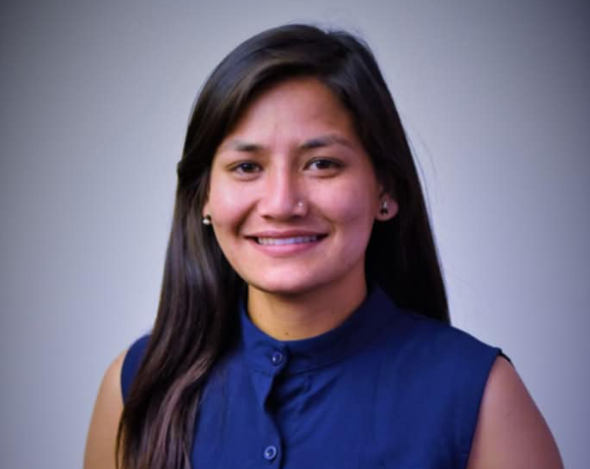

Dhangadhi. The nature of diseases has significantly changed in Sudurpashchim Province. This shift is particularly noticeable in Kailali district, located in the Terai region. According to Ramesh Kunwar, Chief of the Health Office Kailali, while the district previously battled epidemics of communicable diseases, there is now a sharp rise in patients suffering from non-communicable diseases such as heart conditions, diabetes, and cancer. Although the risk of new infections remains due to the open border with India, traditional communicable diseases are being seen less frequently.
According to statistics, the infection rate of diarrhea, which affected 28,420 people in the fiscal year 2079/80, has now decreased to 9,149. Similarly, dengue infections have dropped from 1,081 to 224. The district has also seen a significant decline in maternal and newborn mortality rates.
In FY 2079/80, 15 new mothers lost their lives, but this number has been limited to 4 by FY 2082/83. Likewise, the newborn mortality rate has fallen from 153 to 34. This reduction in newborn deaths is attributed to increased access to safe delivery services.
Among the 88 local levels in the province, Dhangadhi Sub-Metropolitan City has become a hub for safe institutional deliveries. Data shows that more than 9,000 women annually receive institutional delivery services here. Across the district, a total of 183 health institutions are operational, including 5 government and 34 private hospitals. Eighty-one Basic Health Service Centers and 24 Community Health Units are attempting to extend services to rural areas.
Service distribution in Kailali remains uneven due to geographical remoteness. Specialized services are becoming more accessible in accessible municipalities like Dhangadhi, Tikapur, Godawari, Lamki, and Bardagoriya, while hilly rural municipalities such as Chure and Mohanyal have yet to establish even a single primary hospital. Residents there are forced to travel for hours to the city for even basic treatment. Although ambulance services are available, patients in remote areas face difficulties accessing treatment in emergencies.
Furthermore, the compulsion for patients in Dhangadhi and Attariya to travel to India or Kathmandu for treatment from the private health sector has been somewhat alleviated. However, complaints persist regarding private hospitals charging exorbitant fees, ordering unnecessary lab tests, and illegal fetal sex determination, as stated by Health Office Chief Kunwar. Additionally, the mismatch between the 98 types of medicines provided free by the government and those prescribed by private clinics occasionally creates tension between service seekers and health workers at government health facilities.
Nepal's first Health Insurance Program was launched in Kailali district of Sudurpashchim Province. According to the Health Insurance Board's 2081 report, only 11 percent of citizens in Sudurpashchim are enrolled in insurance, and in Kailali, only about 20 households out of a hundred utilize this facility.
The district's largest government hospital, Seti Provincial Hospital, is currently overburdened, operating beyond its capacity. This hospital, with a sanctioned capacity of 50 to 100 beds, is handling a daily load equivalent to 300 to 400 beds.
Moreover, the hospital's service delivery is severely affected because the Health Insurance Board does not provide timely reimbursements. Seti Provincial Hospital alone is awaiting approximately 50 million rupees in payment from the Insurance Board. Due to the lack of funds, patients are not receiving timely medication at the hospital.
“We are forced to provide only one month's worth of medicine when we should be providing for three months. Where do we buy stock to replace medicines when the reimbursement doesn't arrive?” complained Kishor Shrestha, the hospital's information officer.
According to the hospital, 82,395 people received services through insurance in FY 2081/82, while 55,171 people have already availed services in the first six months of the current fiscal year. However, the number of general citizens renewing their insurance has recently decreased due to the ordeal of waiting in line for hours and not receiving the required medicines.
This specific news has been automatically translated by AI. As a result, there may be some inaccuracies or language errors.