Madhesh-Centric Parties Face Internal Criticism After Failing to Secure Seats in Federal Parliament Elections


Internal criticism has begun within Madhesh-centric parties following their failure to win a single seat in the Federal Parliament elections held on Falgun 21.
Some leaders are asserting that the wave in favor of Balendra Shah, a senior leader of the Rastriya Swatantra Party, dealt a blow to almost all parties, and Madhesi parties were not exempt from this impact. Several leaders commented that the party's defeat was due to ambiguities in the party's issues, ideology, and agenda.
Political analysts have concluded that the main factor for the defeat of Madhesh-centric parties was the visible wave in favor of Balen, and additionally, the Madhesh-centric parties' lust for power, ambiguity in issues and agenda, and various factions and sub-factions within the party were also reasons for the loss.
Political analyst Shrimannarayan stated, 'In this election, the Madhesi parties could not convey their issues to the voters; it was not clear what the Madhesi parties' agenda was. The voters were confused. That is why the votes from Madhesh were diverted to Balen.'
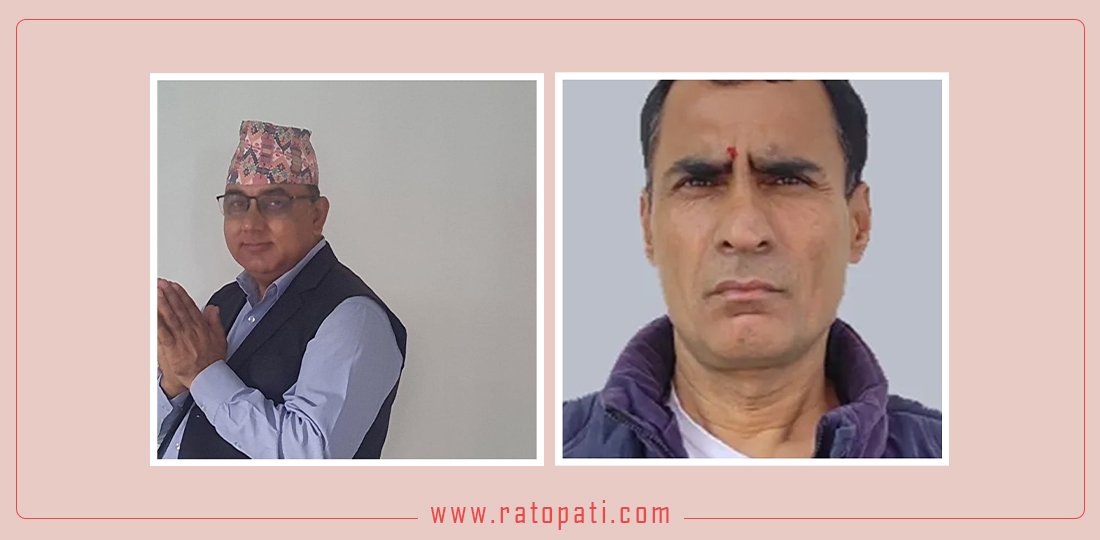
Ramkumar Sharma, a leader of the Janata Samajbadi Party Nepal (JSPN), commented that the defeat of the Madhesh-centric parties was not accidental but a result of long-term weaknesses. He stated that the main reasons for the parties' failure were the leadership's narrow vision, organizational weaknesses, lack of transparency, and the weakening of issue-based politics.
However, another leader from JSPN, Manish Suman, stated that the main reason for the defeat of the Madhesi parties was the visible wave in favor of Balen. He said, 'After RSP put forward Balen as a candidate for Prime Minister, claiming him as a son of Madhesh, Madhesh voters were naturally attracted there, which we could not stop.'
Meanwhile, JSPN leader Ramkumar Sharma has leveled serious accusations against the party leadership through social media.
He stated, 'The leadership's trust remained confined mainly to their own ethnic community, which prevented them from becoming a political force representing the entire Madhesh.'
Claiming that democratic practice in party operation was weak, he clarified that most parties operated under a chairman system rather than collective leadership, which weakened internal democracy within the party.
Sharma also cited a lack of financial transparency, inconsistency in public lifestyle, and power-oriented politics as reasons for the defeat. He analyzed that the failure to achieve good governance and development work capable of winning public trust, despite having the opportunity to lead the Madhesh Province government for seven years, was another weakness.
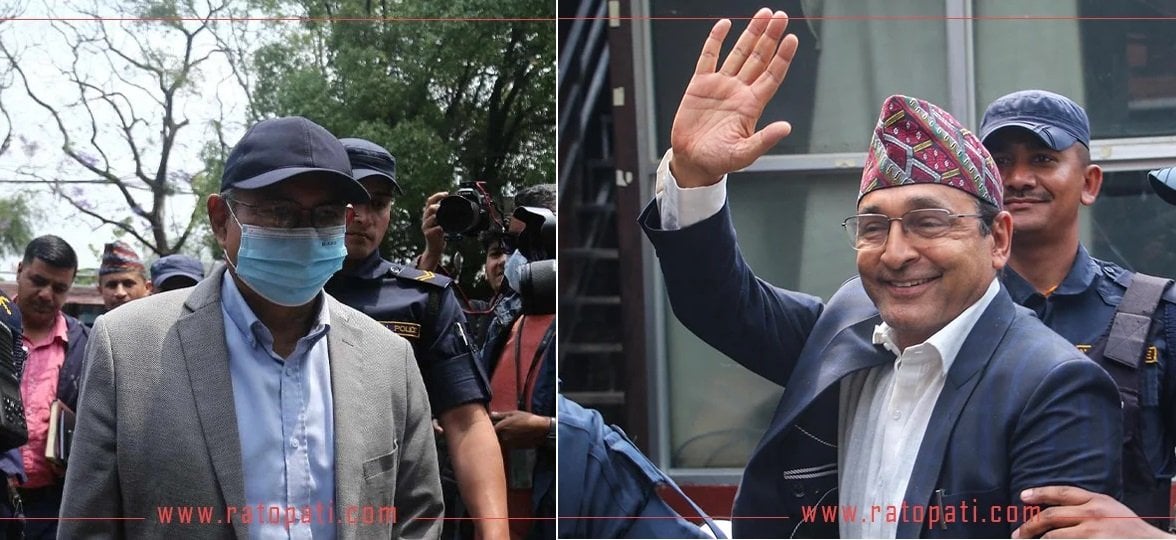
Kaushal Kumar Singh, Vice-Chairman of the Rastriya Mukti Party, who was defeated from Siraha-2, attributed the situation to the lack of an alliance among the Madhesh-centric parties. He said, 'A democratic front existed among the Madhesi parties, but they could not utilize it in the election. If all parties had formed an alliance and contested the election, this kind of clean sweep would not have happened.'
Vice-Chairman Singh claimed that the alliance did not form due to the arrogance of Upendra Yadav, Chairman of JSPN, and commented that Yadav himself suffered the consequences. Singh alleged that after the unification of JSPN and Loktantrik Samajbadi Party Nepal (LSPN), Yadav felt that Madhesh would be completely captured, leading him to disregard other parties. He stated that the defeat of the Madhesh-centric parties in the election was a result of this.
This specific news has been automatically translated by AI. As a result, there may be some inaccuracies or language errors.