Commission Recommends Awards for Three DSPs for 'Excellent Command' During Recent Protests


Kathmandu. The commission formed to investigate the recent protests has recommended awarding three Deputy Superintendents of Police (DSPs) who were deployed in Kathmandu Valley during the protests on Bhadra 23 and 24. The commission recommended awarding the DSPs to the government, analyzing that they demonstrated excellence in crowd control and showed 'excellent command' in retaliatory action when unruly groups attacked their respective offices.
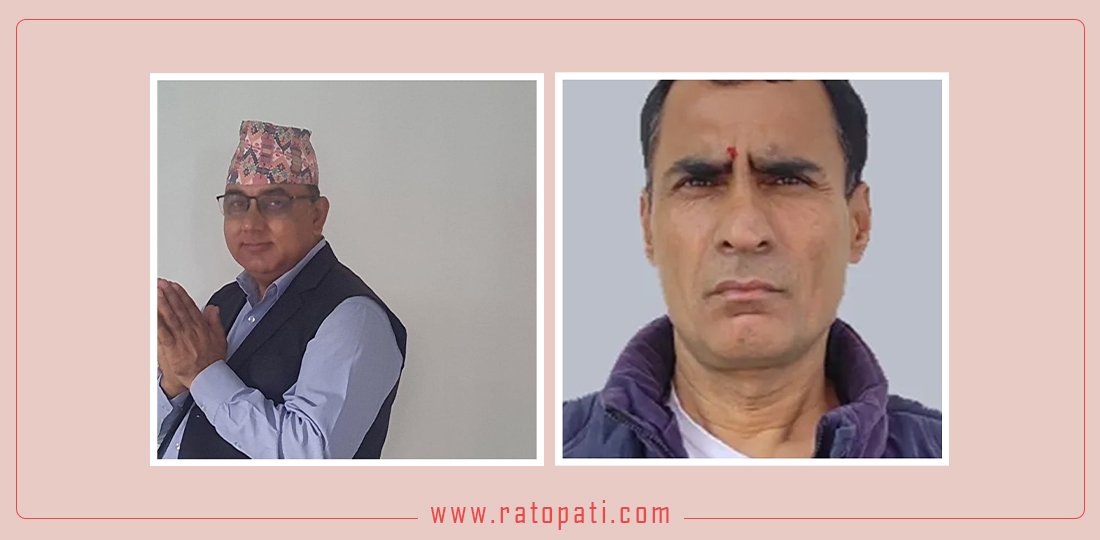
The DSPs recommended for the award are Navaraj Dhungana, Madhav Kumar Thapa, and Sunil Jung Shah. An official from the investigation commission told Ratopati that the recommendation was made to award the three DSPs. He stated, 'We have recommended to the government to award the three DSPs deployed during the protests with the conclusion that they demonstrated excellent command.'
Dhungana, working at the Thimi Police Circle, took retaliatory action throughout the day on Bhadra 24 after protesters began attacking. That evening, DSP Dhungana went to the Balakot Police Post with the weapons, ammunition, and vehicle from his office.
The investigation commission concluded that DSP Sunil Jung Shah protected the temporary office, weapons, and vehicle of the Mali Gaun Police Circle despite repeated attempts at attack. Shah has since been transferred from the Mali Gaun Circle to the Valley Traffic Police Office, Ramshahpath.
Madhav Kumar Thapa, in charge of the Kalimati Police Circle, attempted to save the Kalimati office from protester attacks on Bhadra 24. After the Kalimati Police Circle came under attack from all sides, he managed to save his team, weapons, and ammunition and went to the District Police Range Kathmandu in Bhadrakali. The commission concluded that Thapa's team retaliated and saved the new building of the Kathmandu Police Range, which was inaugurated on 2081 Bhadra 10, after agitators attempted to attack it. Thapa has been praised within the police force for playing an excellent role in saving the important assets of the Kathmandu Police.
The commission led by Gauribahadur Karki submitted its report to then-Prime Minister Sushila Karki on Falgun 24, investigating the protests and unruly activities that occurred on Bhadra 23 and 24. The government is set to make the report public on Monday. GEN-G leaders protested at Maitighar Mandala on Sunday, demanding the publication of the report.
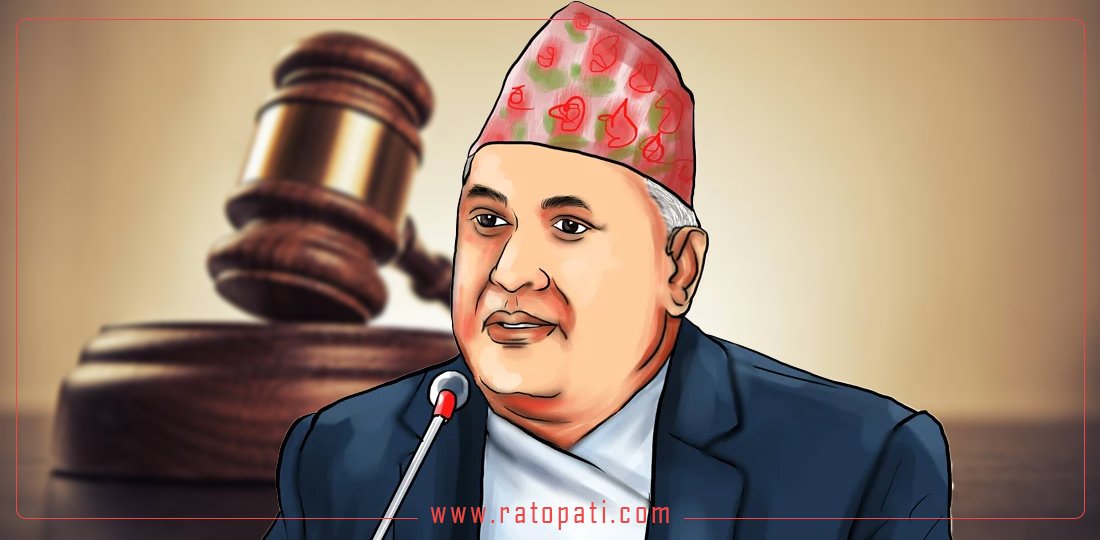
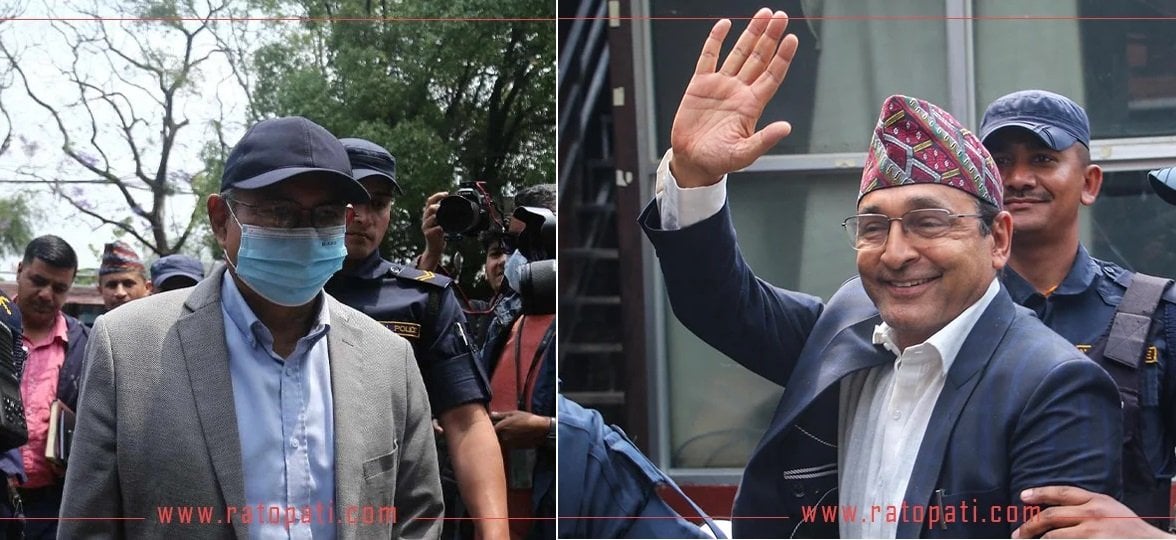
According to a member of the investigation commission speaking to Ratopati, the commission recommended prosecuting then-Prime Minister KP Sharma Oli, then-Home Minister Ramesh Lekhak, then-IGP Chandrakuber Khapung, and then-Chief District Officer of Kathmandu Chabilal Rijal under criminal law. According to a high official at the Prime Minister's Office, the commission opined that they should be investigated and prosecuted under criminal law.
Khapung was the Inspector General of Police when police fired shots resulting in the deaths of teenagers in New Baneshwor, Kathmandu. Officers deployed in the field state that IGP Chandrakuber Khapung gave the order to use excessive force, employing lethal weapons. It is analyzed that the angry protesters caused destruction the following day after excessive force was used the day before.
According to data from the Home Ministry, 39 protesters nationwide lost their lives due to police firing during Bhadra 23 and 24. A total of 76 people died in the protests. Post-mortem examinations for 34 of those who died from bullet wounds were conducted at Tribhuvan University Teaching Hospital.
One member of the commission told Ratopati that the investigation commission recommended departmental action against the officials of the District Security Committee Kathmandu. He stated, 'Criminal charges have been recommended for the chairman of the District Security Committee, and departmental action for others.'
This specific news has been automatically translated by AI. As a result, there may be some inaccuracies or language errors.