The Grueling Hamburg Years That Forged The Beatles' Global Stardom


‘The Beatles’ were heading to their first US musical tour aboard Pan Am flight 101, and they were worried about the prospects of their success.
Paul McCartney said, ‘They have their own musical groups. What new thing can we offer that they don’t have?’
John Lennon added, ‘We are not going to be successful.’
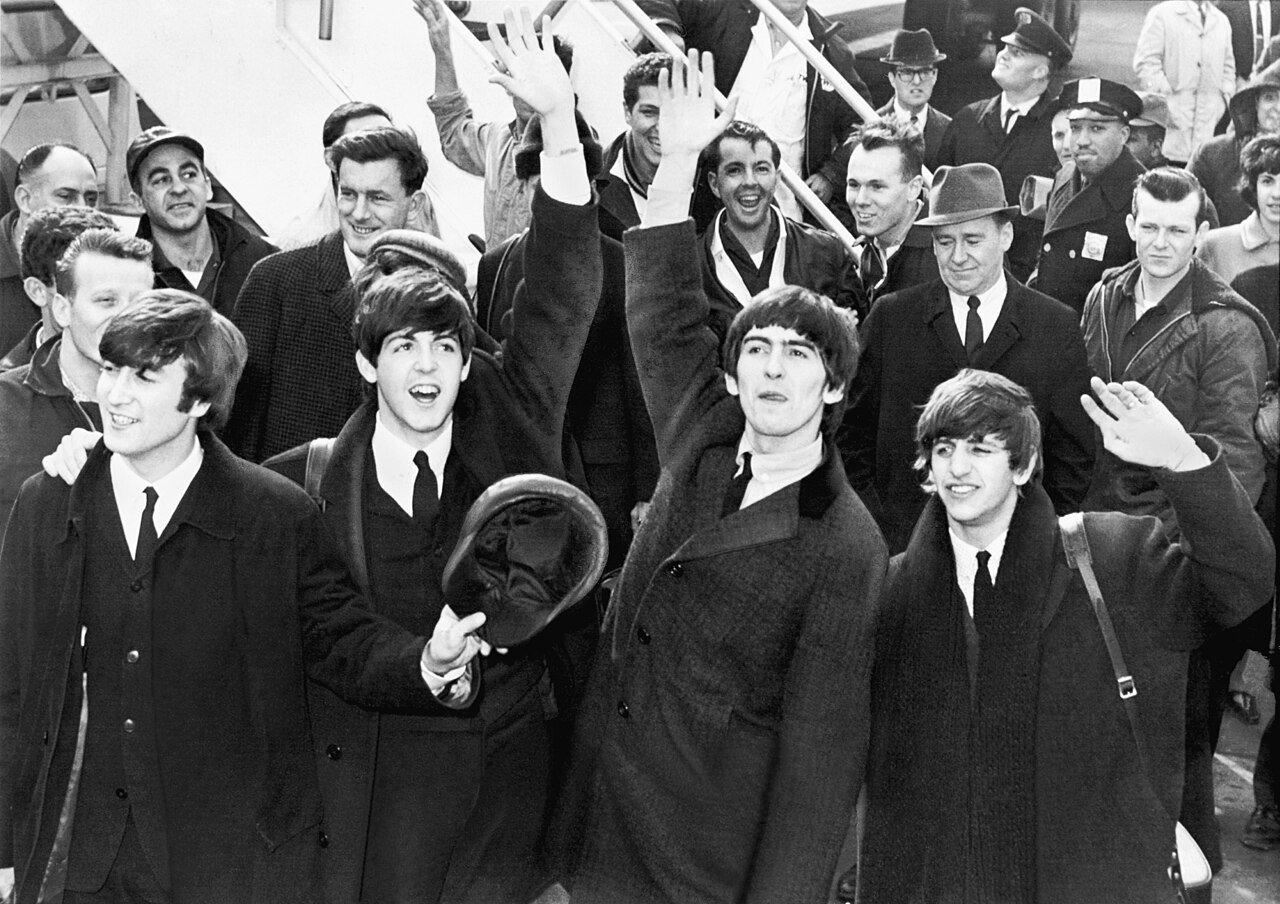
But as they approached New York, the pilot made an announcement that must have brought them great relief: ‘Tell the boys, there is a huge crowd waiting for them there.’
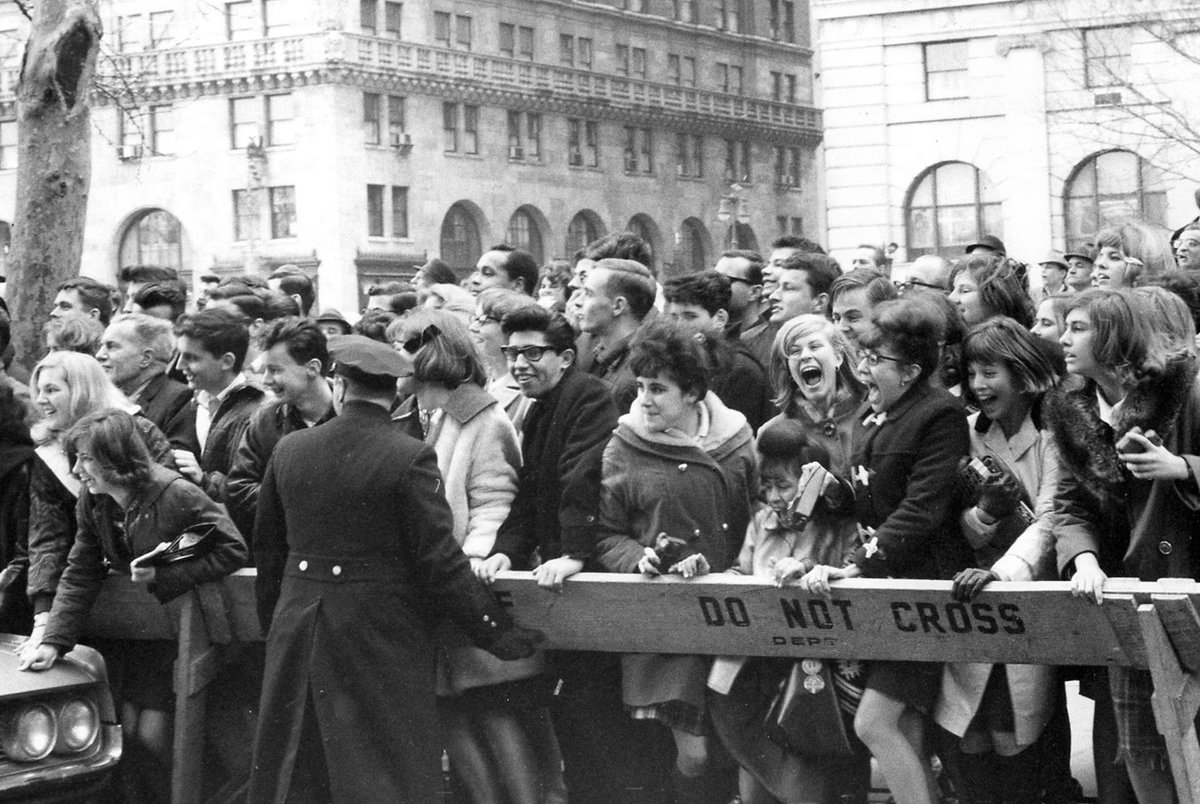
The plane then landed amidst a frenzy that would later be known as ‘Beatlemania’:
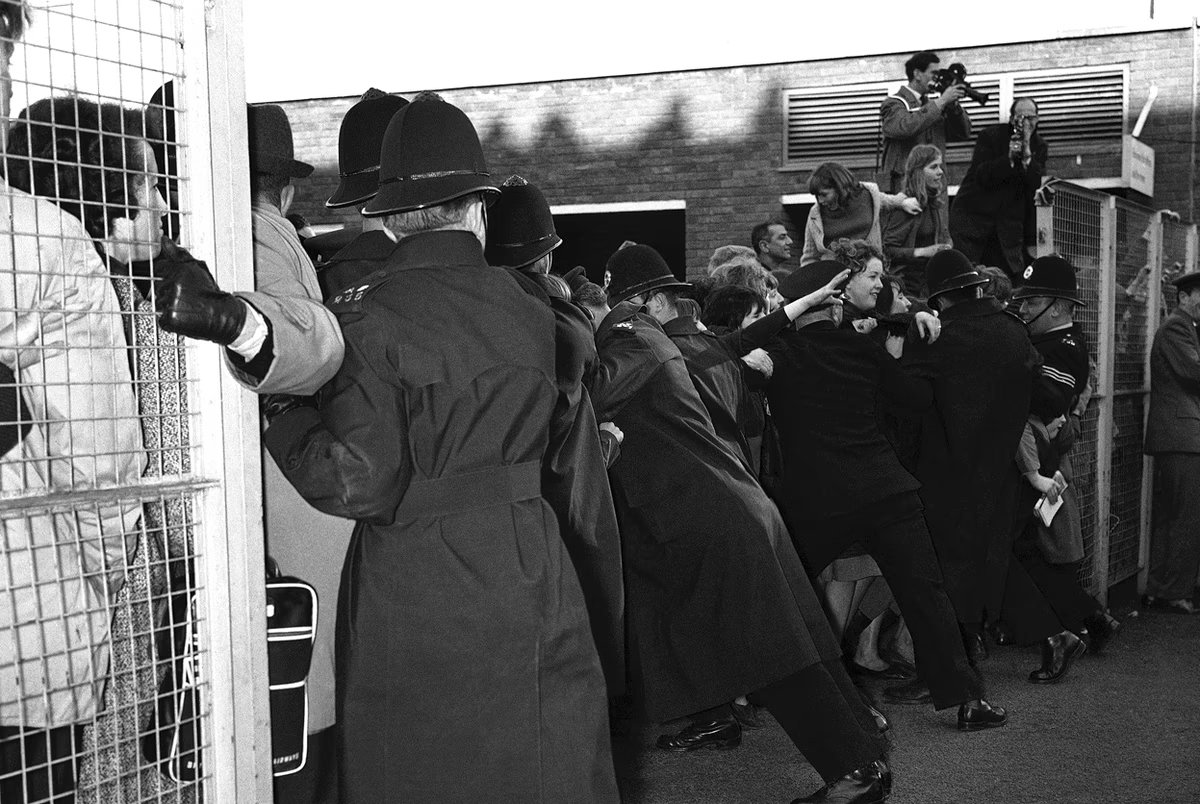
4,000 screaming fans, some injured in the crush, others fainting. 200 journalists. 100 police officers.
Four limousine cars, one for each Beatle, took them into New York City, where the famous DJ ‘Murray the K’ was reporting on their journey live on the radio.
They were given a 10-room hotel suite overlooking Central Park.
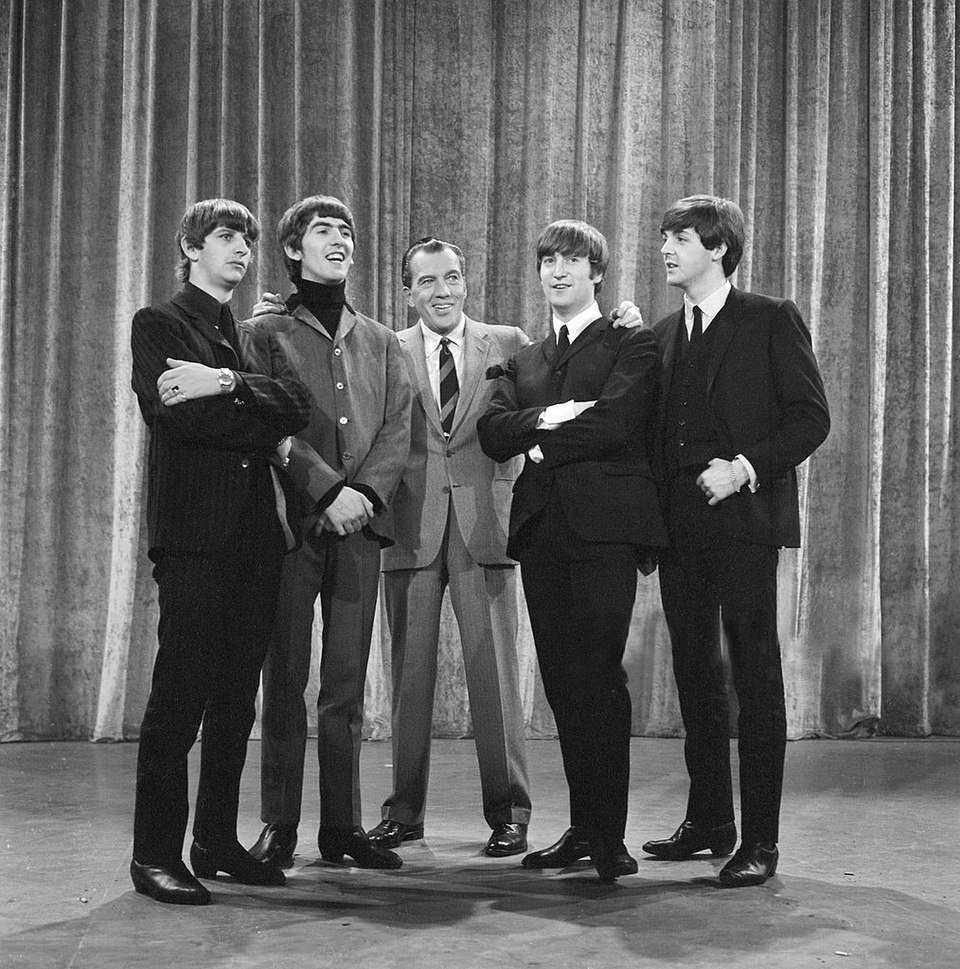
Then two concerts, two appearances on the ‘Ed Sullivan Show’, both watched by 40 percent of the American population. And then they returned to Britain, where more than 10,000 fans welcomed them.
And this was just the story of their first 12 days of global fame.
When their songs occupied the top five spots on the ‘Billboard’ Hot 100 chart in April 1964, The Beatles became an overnight global sensation. A British pop band dominating the American music scene? This had never happened before.
The Beatles seemed to have appeared out of nowhere (at least that was the impression in America). They were revolutionary and exciting, and everyone was talking about them.
But did they really come out of nowhere?
This story will lead you to the most important fact you need to know to be successful and happy in life. And no, I am not exaggerating here.
The Unknown History of The Beatles
The story begins in July 1957, when John Lennon and Paul McCartney started playing music together as teenagers. But in the following two and a half years, Lennon and McCartney, along with some short-term band members, performed only 25 times in places like town halls and pubs.
According to Beatles historian Ian Inglis, ‘They were really just a group of four or five boys or teenagers with vague ambitions of musical success, nothing more.’
From 1960 onwards, they gained immense experience playing in Liverpool and Hamburg, but they were rejected by at least five record labels before signing a recording contract with EMI in June 1962.
During 1962 and 1963, they became increasingly popular in Europe. Then came their American debut in early 1964, which marked the beginning of their global popularity.
In short: a slow start, four years of hard work, some rejections from record labels, and then fame. Right?
But the reality is much different.
To understand the whole picture, you need to know about the time they spent in Hamburg, Germany. That is where The Beatles truly became ‘The Beatles’.
Hamburg: Hard Days, Harder Nights
The Beatles’ first stay in Hamburg was like a trial by fire for them.
When they arrived in Hamburg on August 17, 1960, they had no idea what lay ahead. They first played at the ‘Indra Club’, located in the heart of the city’s red-light district, the Reeperbahn. According to George Harrison, the place was a bad neighborhood filled with ‘transvestites, prostitutes, and gangsters.’
The room they were given to stay in was behind the screen of a dilapidated cinema hall near the Indra Club. Lennon recalled, ‘We were kept in a place like a pigsty. We were almost sitting in the toilet, right next to the women’s restroom. We slept late and woke up the next day to the sound of the cinema playing and the sound of old German women urinating next to us.’
According to McCartney, the smell of the toilet was always present there. Worse still, they had to use the cold water from the urinal to wash and shave.
The place they lived was as terrible as the place they worked. The stage at the Indra Club was very narrow. The club itself was dilapidated and dirty; it was previously a strip club (a place showing nude dancing). And the pay was not much either; each artist was paid £2.50 a day. Try living on that amount in today’s US dollars, about $72, or in modern London today.
Working ‘Eight Days’ a Week
Their work schedule was extremely exhausting, and they never got a day off. The group worked from 8 PM to 2 AM on weekdays, 7 PM to 3 AM on Saturdays, and 5 PM to 1:30 AM on Sundays.
For the entire three months they stayed in Hamburg, they had to work like this: 46 hours a week, 31 of which they spent playing music on stage.
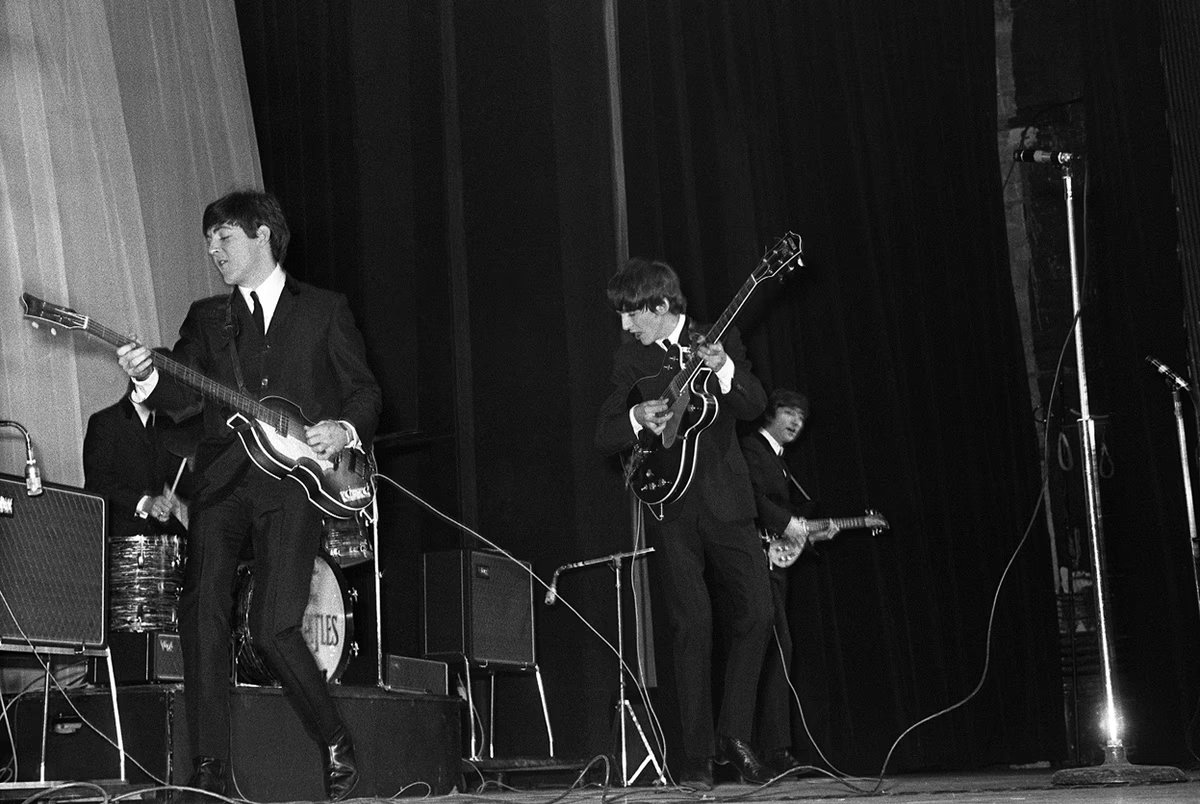
And they were working like dogs.
To attract customers to the club, they had to play loudly, and they had to constantly grab the attention of the customers so they would keep buying drinks. Their desperate behavior on stage there later developed into the stage ‘madness’ that became their trademark in America.
Their work became even harder when a tenant living on the flat above the club complained about the noise, forcing The Beatles to play at a reduced volume.
In early October, the owner of the Indra closed the club and moved The Beatles to another club, the Kaiserkeller. Their living arrangements there were slightly better, but the same harsh work schedule remained.
The band members worked until they were exhausted, and then worked some more. According to Lennon, ‘When waiters saw musicians getting tired or collapsing from alcohol, they would give them pills (Preludin, a type of amphetamine).
‘After taking that pill, you would start talking again, the high would wear off, and you could work continuously almost without fatigue. You would have to take another pill when the effect of the previous one wore off.’
Their life continued like this until mid-November when George Harrison was deported for being underage. This brought an end to The Beatles’ stay in Hamburg.
The Beatles worked about 600 hours in terrible conditions. Imagine, for three months, 6 to 8 hours of work a day, and not a single day off.
Yes, They Were Going to Be Stars
The time The Beatles spent in Hamburg paid off.
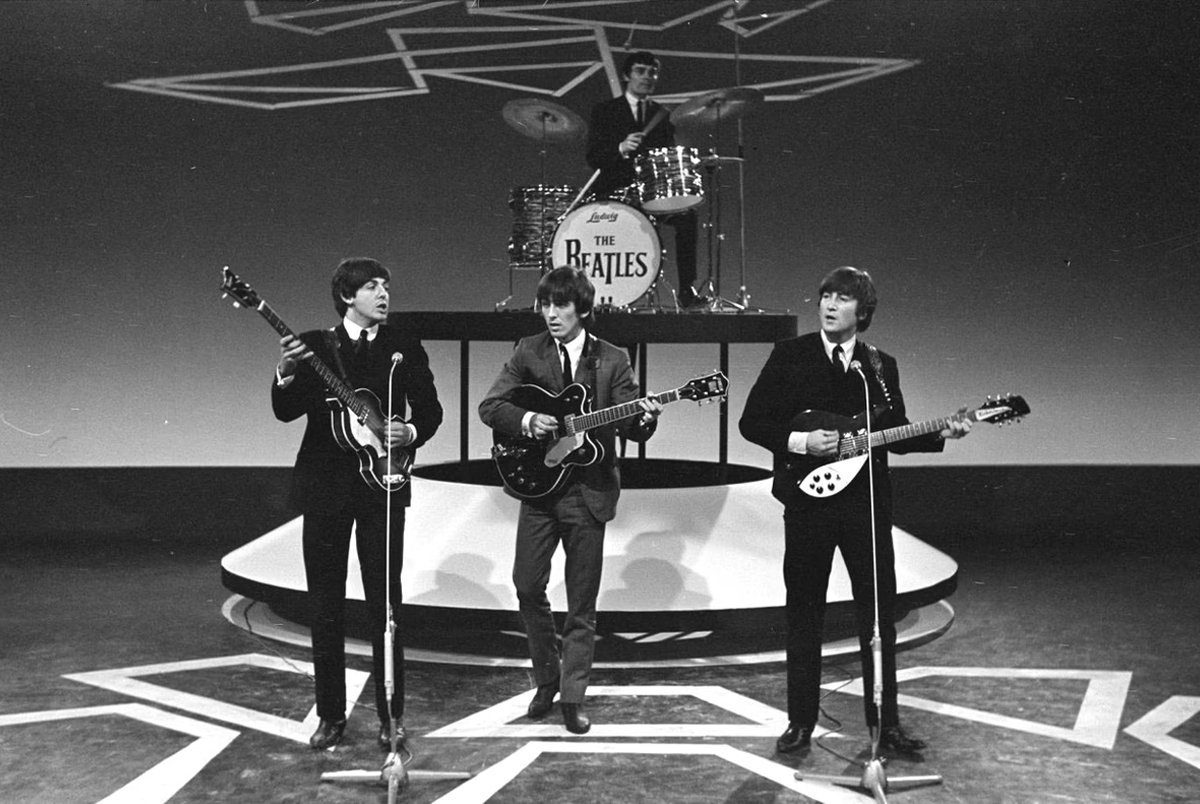
According to John Lennon, ‘(Before 1960) in Liverpool, we only played our best songs, the same songs at every gig. In Hamburg, we had to play for eight hours, so we were forced to find genuinely new ways to play... Playing all night made us better and increased our confidence... We had to try harder to establish ourselves, putting all our mind and soul into it.’
Band member Stuart Sutcliffe wrote in a letter at the time, ‘Our performance has improved a thousand times since we came here, and Allan Williams, who is here now, says there is no group in Liverpool that can match us.’
Were Lennon, Sutcliffe, and Williams fooling themselves?
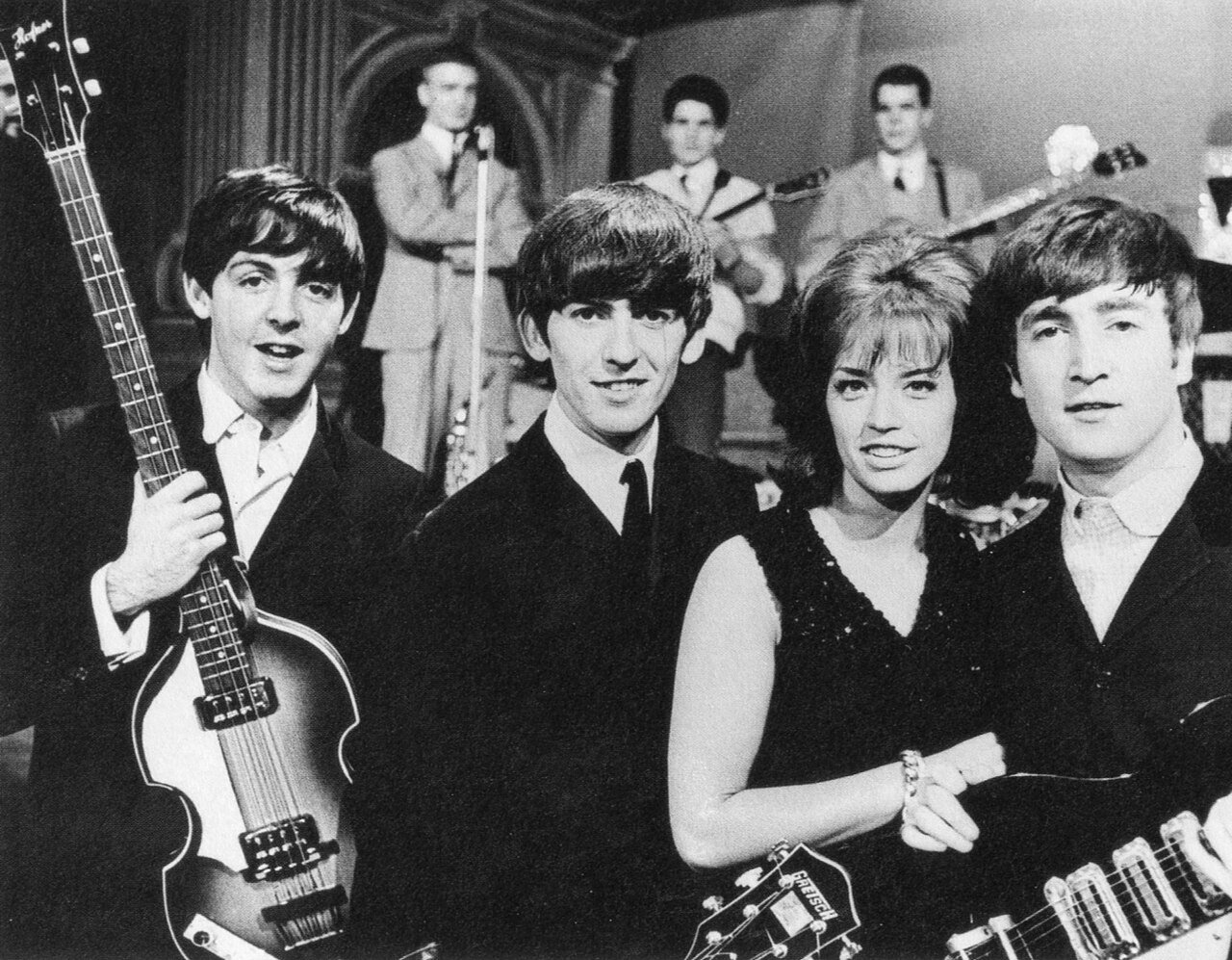
Upon returning to England at the end of 1960, temporary player Chas Newby said he was astonished by the improvement in their singing and playing.
Still, Success Was 3 Years Away
While Hamburg was crucial for The Beatles’ success, the slow journey towards their stardom had only just begun. Even after 1961, The Beatles still had much harder work and disappointment to face.
Their popularity grew in Britain during 1961 and 1962. In January 1963, Decca Records rejected them with the criticism, "The era of guitar groups is over".
In August 1963, ‘She Loves You’ became their first hit song.
They flew from Heathrow Airport on February 7, 1964, to New York City. Two days later, their performance on the Ed Sullivan Show was watched by nearly 40 percent of the American population.
And that is the story of how The Beatles became an overnight global sensation.
This specific news has been automatically translated by AI. As a result, there may be some inaccuracies or language errors.