Oil Prices Surge Past $100 Despite Record Emergency Reserve Release Amid Geopolitical Tensions


London. Despite major world powers deciding to release the largest volume of crude oil from their emergency reserves in history, the surge in oil prices has not stopped. As rising tensions with Iran and the fallout from the war continue to alarm the global economy, Brent crude prices jumped 9% in Asian markets on Thursday, exceeding $100 per barrel.
Although the 32 member nations of the International Energy Agency (IEA) agreed to release 400 million barrels of oil into the market to cover the supply shortage, the psychological fear among investors has not subsided. This volume is double the oil release conducted during the Russia-Ukraine war in 2022.
However, the volatility seen in the market signals a major crisis. The threat of oil prices reaching up to $200 per barrel has increased after Iran warned of intensifying its attacks in the Strait of Hormuz.
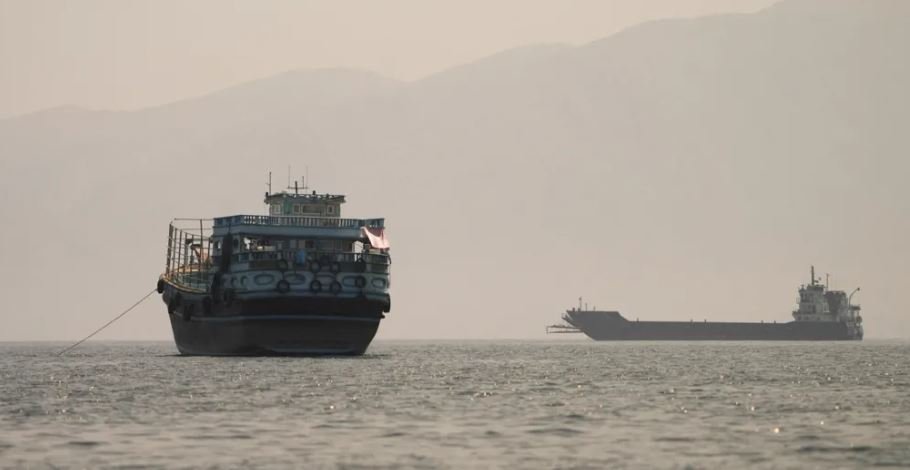
A spokesperson for Iran's Islamic Revolutionary Guard Corps (IRGC) issued a stern warning that any vessel connected to the United States, Israel, and their allies would be targeted. As nearly one-fifth of the world's total energy supply passes through this narrow waterway, security in this region has become the main factor determining oil prices.
Since the US and Israel began airstrikes on Iran on February 28, oil prices in the global market have been experiencing sharp fluctuations. Just a few days ago, the price of Brent crude had reached around $120.
The direct impact of this is now being seen at petrol pumps worldwide. The average price of gasoline in the US has risen above $3.50 per gallon, while Asian countries heavily dependent on Middle Eastern energy are facing even greater crises.
Long queues for refueling vehicles have started appearing, particularly in the Philippines, Thailand, and Vietnam. As the energy crisis deepens, Thailand has directed government employees to work from home and avoid unnecessary foreign travel.
Similarly, the Philippines has implemented a four-day work week in government offices to reduce energy consumption. According to experts, although the step taken by the IEA is historic, it is only temporary.
This specific news has been automatically translated by AI. As a result, there may be some inaccuracies or language errors.