Iran Launches New Attacks Targeting Israel and Gulf Region Amid Escalating Middle East Conflict

_gDF6c1tHM9.jpg)
Amid the ongoing war in the Middle East, Iran launched new attacks on Wednesday, targeting Israel and locations in the Gulf region. While reports suggest Saudi Arabia's oil fields were also targeted, efforts are underway to stabilize the world energy market with proposals to release large volumes of oil reserves.
The conflict, which began after attacks by the US and Israel on Iran, has now spread across the region, impacting everything from energy markets to daily life. Fuel rationing has begun in some areas, and schools have also been closed.
Leaders of the G-7 nations are preparing to meet via video conference on Wednesday to discuss the economic impact of the war, particularly the state of energy supply. Meanwhile, The Wall Street Journal reported that the International Energy Agency is likely to decide on a proposal to release the largest volume of oil reserves in history.
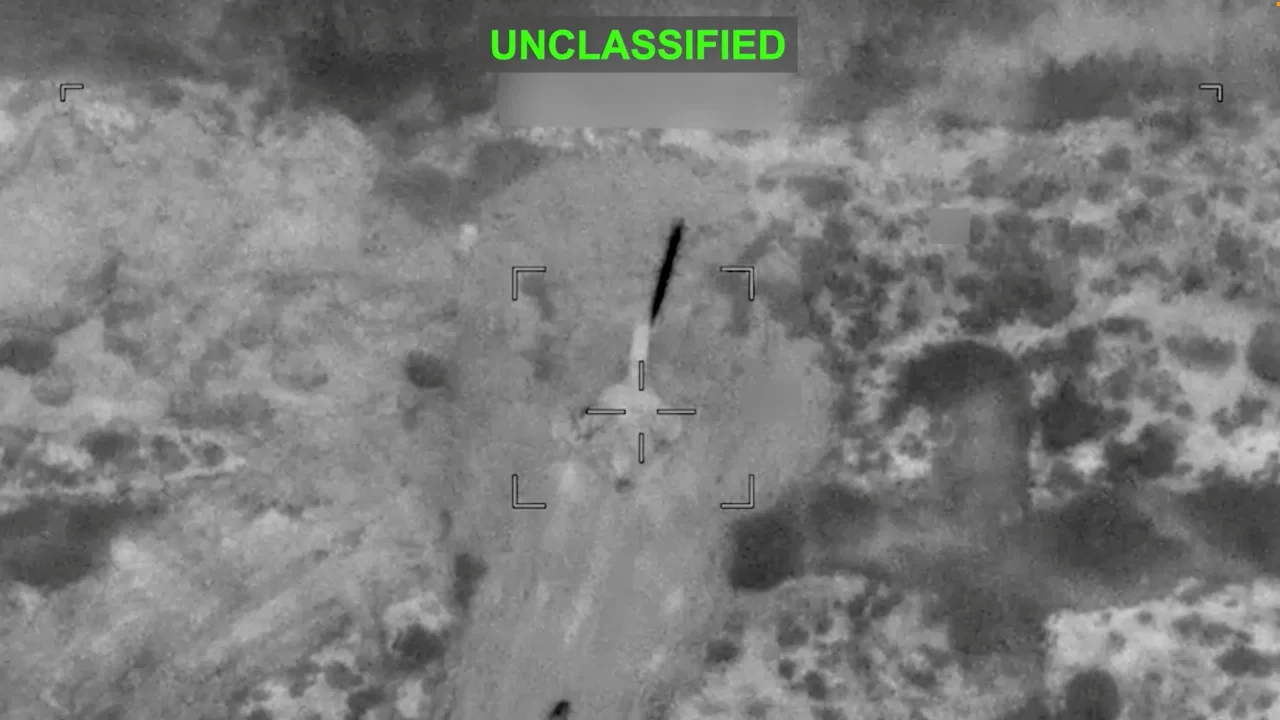
The United States announced on Tuesday that it had struck Iranian vessels near the Strait of Hormuz that had the capability to lay naval mines. Videos released by the US military reportedly showed Iranian boats being destroyed. According to the US, 16 mine-laying vessels were destroyed near this strait, through which nearly one-fifth of the world's oil passes.
US President Donald Trump warned via social media that if the presence of mines in the strait is confirmed and they are not removed immediately, Iran would face "military consequences on a scale never seen before."
Rising oil prices are also increasing political pressure on Trump as the US election approaches. Although crude oil prices rose by about five percent on Tuesday, they slightly decreased on Wednesday following news of the potential release of reserves.
Trump had stated that the US military could provide security for oil tankers transiting the strait. However, the US administration admitted that a social media post claiming the Energy Secretary had announced such security arrangements was false.
The risk of war is also evident in maritime traffic. According to the UK's Maritime Security Agency, a container ship near the coast of the United Arab Emirates was struck by an "unidentified projectile" on Wednesday morning, signaling that regional waterways remain insecure.
Although Trump claimed on Monday that the war would be short, US Secretary of Defense Pete Hegseth warned of unprecedented shelling in Tehran.
Meanwhile, Iran has made it clear that it has no intention of seeking a ceasefire. Mohammad Bagher Ghalibaf, Speaker of the Iranian Parliament, wrote on social media platform X that Iran is not looking for a ceasefire and believes the attackers must be punished.
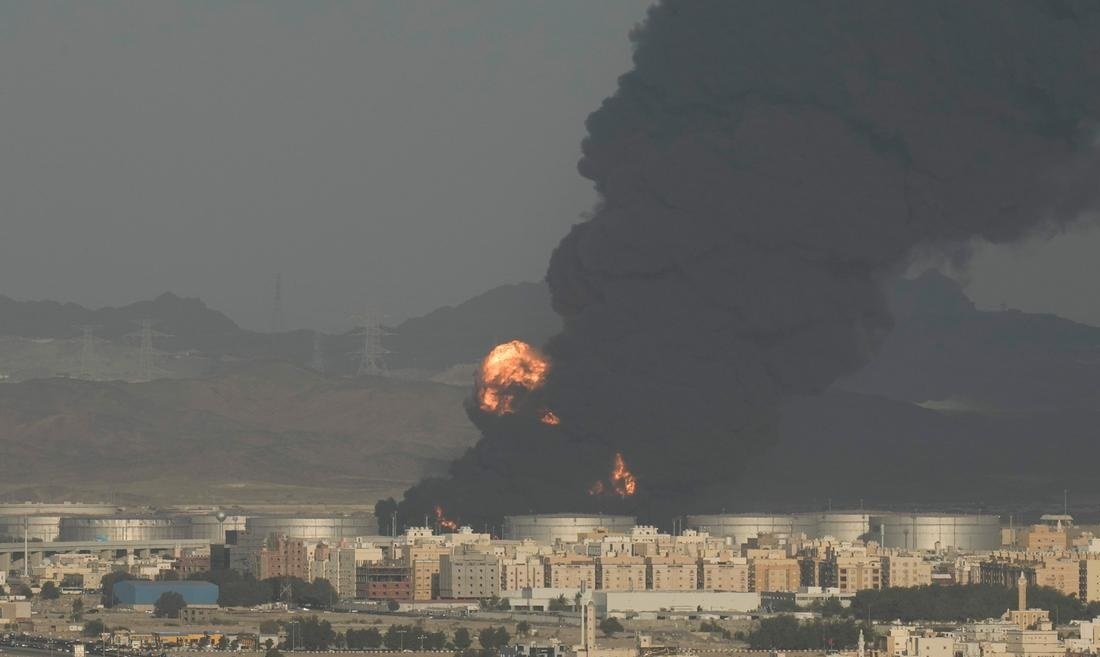
The Iranian military claimed to have fired missiles towards Israeli cities. AFP journalists reported hearing air raid sirens and explosions in Jerusalem. Although emergency services have not yet released details of major damage, local television reported that some people were injured in an oil facility.
Iran's Revolutionary Guards also claimed to have attacked Bahrain and Iraqi Kurdistan. Iranian media reported that a US military base in Kuwait was also targeted, although Kuwait only confirmed shooting down eight drones. Saudi Arabia also reported intercepting drones and ballistic missiles heading towards its Shaybah oil field.
This war began following an attack on February 28 where the US and Israel killed Iran's Supreme Leader Ayatollah Ali Khamenei. Since then, his son Mojtaba Khamenei has been named as his successor, but he has not yet appeared publicly.
The fear of bombing remains in Tehran. A woman there stated that although the bombing did not target ordinary residential buildings, the sound of the explosions caused extreme fear.
According to Iran's Ministry of Health, more than 1,200 people were killed and over 10,000 civilians injured in the war as of March 8. According to the Pentagon, seven US soldiers were killed and about 140 injured.
The conflict has spread beyond regional borders. It was reported that the US military fired a torpedo at an Iranian ship in the waters off Sri Lanka, and Australia announced it had granted asylum to two additional members of the Iranian women's football team.
Iraq and Lebanon have also become proxy fronts in this war. In Iraq, a group affiliated with Iran stated on Tuesday that five of its fighters were killed in a US attack. In Lebanon, hundreds have been killed and millions displaced following Israeli air and ground attacks targeting the Iran-backed Hezbollah.
Reports of new Israeli attacks in the southern suburbs of Beirut came on Wednesday. Lebanon's Ministry of Health reported five more deaths in the southern city of Kana, and state media reported an attack in an area of central Beirut.
Previously, in a complaint filed with the United Nations, Iran stated that four of its diplomats were killed in an attack on a hotel on the coast of central Beirut. Israel claimed that commanders of Iran's Revolutionary Guards were targeted there.
The impact of the war is beginning to be felt globally. The United Nations Conference on Trade and Development warned that the world's most vulnerable communities will be the hardest hit as fuel and food prices continue to rise.
In Egypt, the public is worried after the government increased fuel prices by about 30 percent. Umm Mohammed, a mother of six found in a Cairo market, said that life was already difficult to sustain and she was worried about how people would manage now.
This specific news has been automatically translated by AI. As a result, there may be some inaccuracies or language errors.